Yoga Therapy
Yoga therapy is the guided, therapeutic use of yoga postures (asanas), breathing practices (pranayama), relaxation and meditation to support mental and physical health, planned for each person by a trained instructor. It draws on traditional yoga but is adapted to the person’s health, strength and condition, with gentle options for those who are weak or recovering. Studies suggest that yoga can help to ease stress, anxiety, low mood and poor sleep in some people, though the evidence varies, and it works best as an addition to medical care and counselling. At Calida Rehab, our psychologists and psychiatrists at our Mumbai region (Karjat) centre and our Pune centre offer yoga therapy alongside counselling, meditation therapy, medicines where needed and addiction treatment.
- Best for: people with stress, anxiety, low mood, poor sleep, body tension or cravings, including those in recovery from alcohol or drug use
- Approach: gentle postures, breathing practices, relaxation and short meditation, adapted to each person’s fitness and health
- Typical course: usually daily or several-times-a-week sessions of 30 to 60 minutes in residential care, with a short home routine for after discharge
- Not meant for: a person who is in acute withdrawal, medically unwell or unable to follow instructions, who need a doctor’s clearance first; some poses and breath-holding are avoided with conditions such as high blood pressure, heart disease or joint injury
- Works alongside: counselling, CBT, meditation, occupational therapy, medicines and addiction treatment
- Where: assessment and care at our Pune centre and Mumbai Region – Karjat centre
- Last updated: November 2026
Not sure which therapy fits?
Get a free, no-obligation consultation. Our clinical team will guide you or your family to the right plan.
What Is Yoga Therapy?
Stress, worry and addiction often keep the body tense and the mind restless. Shoulders tighten, breathing becomes quick and shallow, sleep suffers and cravings feel harder to bear. Yoga therapy works on the body and the breath so that the mind can settle too.
A trained instructor leads the person through slow, simple postures, breathing practices and a closing relaxation, such as yoga nidra, which is a guided rest. Movements are matched to the person’s strength and flexibility, and no pose should cause pain. The person learns to notice the breath and body sensations and to use short practices at home, at work or when a craving rises.
Yoga therapy is not a replacement for medical treatment or counselling. It is a supportive therapy that works best when practised regularly. At Calida Rehab it is offered after an assessment by a psychiatrist and psychologist, and after the doctor confirms that the person is fit to take part.
Why Yoga Therapy Is Important
Long-term stress and substance use leave many people with poor sleep, aches, anxiety and a body that is always on alert. In early recovery, restlessness and low mood are common, and finding healthy ways to relax is an important part of staying well.
Yoga gives a person a skill that can be used anywhere, without cost or equipment. Reviews of studies suggest that yoga can help with stress, anxiety, depression and sleep for some people, but the quality of studies varies, so it is used as part of a wider plan. See our meditation therapy page, our occupational therapy page and our relapse prevention therapy page.
How Yoga Therapy Works
Yoga therapy follows a simple plan, led by a trained yoga instructor, with the psychiatrist and psychologist involved in assessment and safety.
Typical stages of care
- Assessment and medical clearance: a psychiatrist and psychologist review health, mood, sleep, substance use, injuries and medicines, and the doctor confirms that yoga is safe to begin.
- Goals and plan: the instructor and the person agree on simple goals, such as better sleep, less tension or help with cravings, and choose suitable practices.
- Breath awareness: the person learns slow, relaxed breathing and simple counting before any stronger breath practice is added.
- Gentle postures: easy standing, seated and floor movements that stretch and strengthen, with props or a chair where needed.
- Relaxation: a guided rest at the end, such as yoga nidra or a body scan, so that the body settles fully.
- Short meditation: a few minutes of focus on the breath or a sound to steady the mind.
- Daily practice: a short routine is practised each day in residential care, and the person notes how they felt.
- Home routine and follow-up: before discharge, the person gets a short routine for home and a plan for review.
Sessions usually last 30 to 60 minutes. The instructor adjusts the pace, and every person moves at a different speed. The person is free to rest or to skip any movement that does not feel right.
Conditions We Support with Yoga Therapy
Yoga Therapy is offered at Calida Rehab, at our Mumbai and Pune centres, when the team judges it suitable for people dealing with:
Addiction and Recovery
Yoga can give structure, ease restlessness and teach calming skills that help a person ride out cravings. It supports relapse prevention and does not replace it. See our alcohol addiction page and our drug addiction treatment page.
Anxiety and Stress
Slow breathing and relaxation can ease racing thoughts, tight muscles and panic-like symptoms for some people. See our anxiety page.
Depression
Gentle regular movement and a daily routine can lift energy and help sleep, alongside medicines and therapy. See our depression page.
Sleep Problems
Evening relaxation and breath practices can help a person wind down. Poor sleep linked to illness or withdrawal is first assessed by the psychiatrist.
Trauma and PTSD
Gentle, choice-based movement may help some people feel at home in their body again. It is used alongside trauma therapy, and the person may skip any practice that feels uncomfortable. See our PTSD page.
Benefits of Yoga Therapy
Yoga therapy gives a person simple, low-cost skills for body and mind. Gains vary from person to person.
Key advantages
- Lower stress and body tension in many people
- Slower, calmer breathing that can ease anxiety and cravings in the moment
- Better sleep for some people, with regular evening practice
- Gentle strength, flexibility and balance, which help during recovery
- A daily routine that adds structure to the day
- Skills that can be used anywhere, at home or at work
- Can improve mood and a sense of control over one’s body
- Can be used alongside medicines, counselling and family support
Results vary from person to person. Yoga therapy works best with regular practice, so a short daily routine is better than an occasional long session.
Yoga Practices and Things to Know
The instructor guides each practice and shows easier options. Here is what to know:
Postures (Asanas)
Slow, gentle postures such as simple stretches, cat-cow or seated twists are done together with the breath. No pose should cause pain, and a chair or props can be used.
Breathing Practices (Pranayama)
Slow belly breathing and alternate-nostril breathing calm the body. Strong or breath-holding practices are not used in early recovery, or in conditions such as high blood pressure, unless the doctor agrees.
Relaxation and Yoga Nidra
A guided rest in a lying position helps muscles let go and settles the mind. Some people fall asleep, which is welcome.
Short Meditation
A few minutes of watching the breath or repeating a calming word helps the mind to steady. See our meditation therapy page.
Things to Know
Wear loose clothing and practise on an empty or light stomach. Tell the instructor about pain, dizziness, injuries or medicines, and rest at once if you feel faint or unwell. Yoga is not a treatment on its own for addiction or mental illness. Never begin or stop any medicine without your doctor’s advice. In an emergency, call 112 or the Tele-MANAS helpline on 14416.
Myths vs Facts About Yoga Therapy
Many people hesitate because of common beliefs about yoga and therapy. Knowing the facts helps in making an informed decision.
| Myth | Fact |
|---|---|
| Yoga is only for flexible people. | Yoga therapy is adapted to each body, and chair-based and gentle options are used for people who are stiff, weak or recovering. |
| Yoga is a religion. | Yoga has roots in Indian traditions, but yoga therapy here is taught as a health practice built on movement, breathing and relaxation, and it suits people of every belief. |
| Yoga can cure addiction or mental illness on its own. | It is a helpful support, but illness and addiction also need medical care, counselling and relapse prevention. |
| Harder poses give better results. | Gentle, regular practice done safely is better than strong poses that cause pain or strain. |
| Yoga is just stretching. | It joins movement with breathing, attention and relaxation, which is why it can calm the mind as well as the body. |
Key Features of a Good Yoga Therapy Programme
Yoga Therapy works best when it is delivered properly by a trained professional. A good programme has these features:
- A trained yoga instructor with experience in therapeutic yoga
- A psychiatric and medical assessment before starting, to check fitness, injuries and risk
- A plan that matches the person’s strength, health and goals
- Small groups or individual sessions, with close attention to safety
- Gentle options and props for people who are weak, stiff or recovering
- Avoidance of strong breath practices and difficult poses in early recovery
- A link with the psychiatrist and psychologist for mood, sleep and medicines
- A short home routine and follow-up before discharge
- A calm, clean space for practice
- Open space for questions and difficulties
The programme should always be offered with the person’s informed consent.
Yoga Therapy in Mumbai and Pune
Calida Rehab has centres in Karjat (Mumbai region) and Pune. Here is how you can get in touch:
Yoga Therapy in Mumbai Region – Karjat Location
Calida Rehabilitation Centre, Karjat, Mumbai, De-addiction Centre with Complete Rehab Facility
55/1/A, Tata Road, Village: Bhaliwadi, Post: Goulwadi, Tal. Karjat, District: Raigad, Maharashtra 410201
Karjat Branch: +91 845 294 0789
Yoga Therapy in Pune Location
Calida Rehabilitation Centre Pune
Survey No 137/3/4, Bhagwati Complex, near Baner, Bhagwati Nagar, Parkhe Vasti, Sus, Pune, Maharashtra 411021
Pune Branch: +91 7499174304
Email: calidarehab@gmail.com
How to Choose the Right Yoga Therapy Programme
Choosing the right programme plays an important role in lasting change. Here are the steps to follow:
- Make a list of reputed centres with psychiatry and clinical psychology teams in nearby locations.
- Check that the clinicians are licensed and that the facility is registered. Our guide on how to verify a centre is licensed in Maharashtra can help.
- Ask about the instructor’s yoga qualification and experience with people in recovery or with mental health conditions.
- Ask how the plan is matched to each person’s health and how safety is handled.
- Ask how the doctor clears a person for yoga and which practices are avoided.
- Ask how yoga fits with counselling, medicines, addiction treatment and follow-up.
- Finally, look for real reviews and speak to families who have used the service.
Understanding the therapies used in rehab can also help families understand treatment decisions and expectations.
Medical Information Note
This page is for information and is not a substitute for medical advice. Yoga Therapy and any medicines are provided only by qualified professionals after a clinical assessment and informed consent. If you or someone you know is in immediate danger, or is thinking of harming themselves or others, call 112 or the Tele-MANAS helpline on 14416 right away.
Take the First Step - Contact Calida Rehab
Stress, restlessness and poor sleep can ease with the right support. If yoga therapy is advised, you have the right to understand it fully and to ask every question. At Calida Rehab, our team explains the options with care, and supports the whole person and family during treatment and after recovery.
If stress, poor sleep or cravings are affecting your health, your family or your recovery, speak to our team and book an appointment today.
Related pages
Meditation Therapy | Occupational Therapy | Music Therapy | Dance Therapy | Expressive Arts Therapy | Relapse Prevention Therapy | Cognitive Behavioral Therapy | Individual Counselling | Group Therapy | Therapies in Rehab
Where we offer care (Pune and the Mumbai region)
Mental Hospital in Mumbai | Mental Hospital in Pune | Rehabilitation Centre in Mumbai | Rehabilitation Centre in Pune | Rehabilitation Centre in Karjat
10K +
Patients Serviced with Complete Care
NABH
Guidelines Compliant
170 +
Beds Capacity
24/7
Residential Staff
Call our 24-hour free confidential helpline.
Treatments
Therapies
Ready to take the first step?
Talk to a Calida counsellor today. It is free, confidential and carries no obligation.
What Patients and Families Say About Calida Rehab
Read what people have shared about their experience with our team.
Experts Who Will Guide Your Recovery
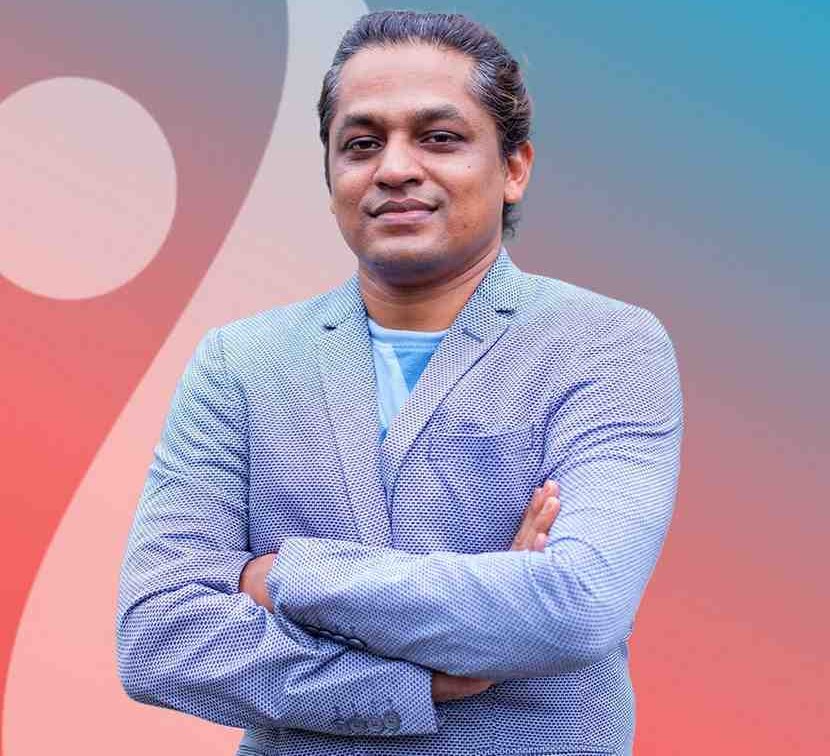
Dr. Prashant Dasud
Designation: M.D. (Psychiatry)
Experience: 14+
Illnesses:
Depression & Mood Disorders, Anxiety Disorders, Bipolar Disorder, Schizophrenia & Psychotic Disorders, OCD, Drug & Alcohol Addiction, Sleep Disorders
Geriatric Mental Health Issues

Dr. Santosh Pawar
Designation: M.D. (Radiodiagnosis)
Experience: 12+
Illnesses:
CT / MRI, Dementia & Memory Disorder, Neuro-radiological Evaluation, pine & Nerve Imaging,Head Injury & Neurological, Diagnostic Support for Mental Health
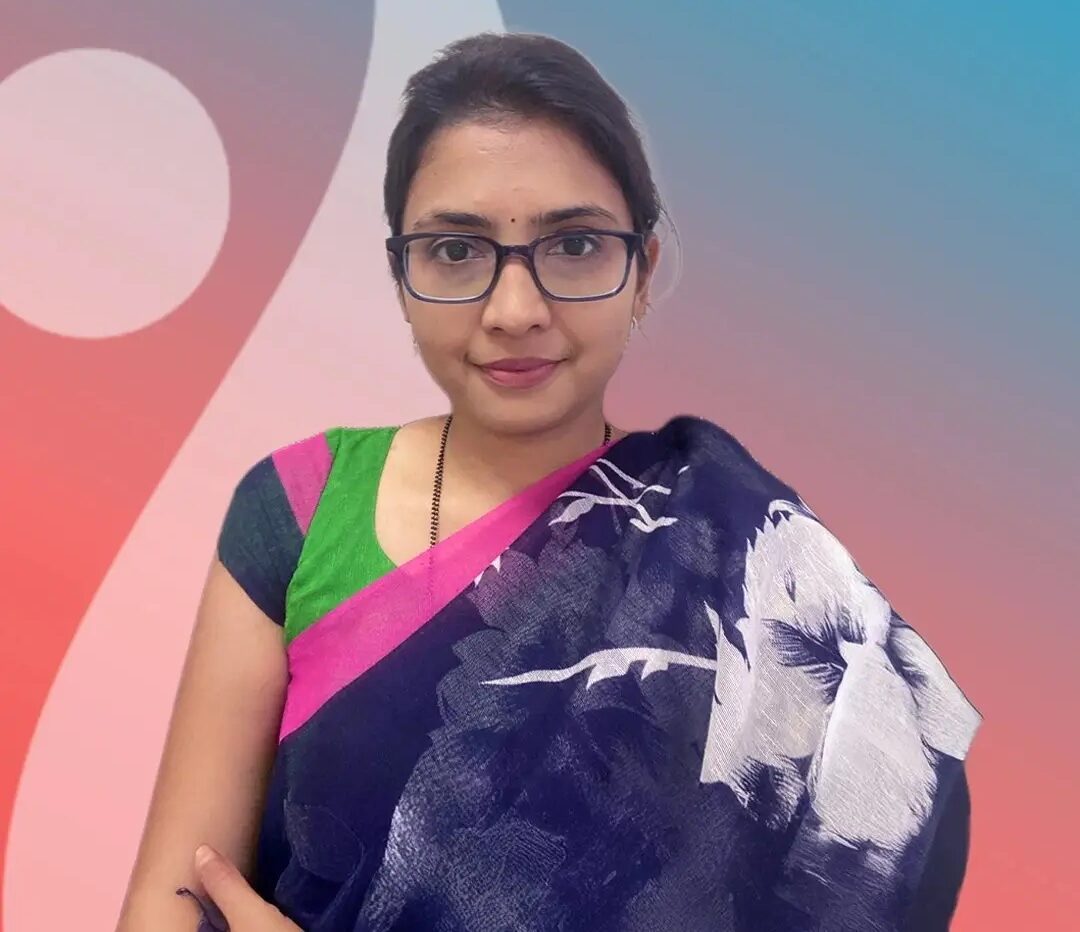
Dr. Neha Shetty
Designation: M.D. (Psychiatry)
Experience: 11+
Illnesses:
Depression, Anxiety Disorders, Bipolar Disorder, Schizophrenia & Psychosis, OCD, Drug Addiction,Mental Health Issues

Dr. Abhijit Bombe
Designation: MBBS, DPM
Experience: 10+
Illnesses:
Anxiety & Panic Disorders, Depression, Schizophrenia, Bipolar Disorder, OCD, Alcohol & Substance Use Disorders, Stress & Behavioral Problems
Yoga Therapy at Calida Rehab - FAQs
What is yoga therapy?
Yoga therapy is the guided use of yoga postures, breathing practices, relaxation and meditation to support mental and physical health. A trained instructor adapts the practices to the person’s health and condition.
Who should take yoga therapy?
It is useful for people with stress, anxiety, low mood, poor sleep or body tension, and for those in recovery from alcohol or drug use. A doctor must clear the person first. It is not meant for a person in acute withdrawal or who is medically unwell, and some poses and breath practices are avoided in conditions such as high blood pressure or heart disease.
How long does a yoga therapy session last?
A session usually lasts 30 to 60 minutes. In residential care it is practised daily or several times a week, and the person leaves with a short routine for home.
Does yoga therapy really work?
Studies suggest that yoga can ease stress, anxiety, low mood and poor sleep in some people, but the quality of research varies. It works best as part of a wider plan with counselling, medicines where needed and regular practice. Results vary from person to person.
Can yoga help with addiction recovery?
Yoga can help with restlessness, stress and sleep, and it teaches calming skills that may help a person ride out cravings. It supports addiction treatment and relapse prevention and does not replace them. Medicines, if any, are decided only by the psychiatrist.
Is yoga therapy offered in Mumbai and Pune?
Yes. We offer care at our Karjat (Mumbai region) centre and our Pune centre. Call our 24-hour helpline to book an assessment, and the team will tell you whether yoga therapy suits you.