Music Therapy
Music Therapy is a structured therapy in which a trained therapist uses listening, singing, playing instruments and songwriting to help people express feelings, ease stress and build coping skills. At Calida Rehab, music therapy is offered as part of care at our Pune centre and our Mumbai Region – Karjat centre, alongside medical and psychiatric treatment.
- Best for: stress, low mood, anxiety and difficulty expressing feelings, and as support during addiction recovery
- Approach: goal-based sessions using listening, singing, drumming and songwriting. No musical skill is needed
- Format: group sessions, with individual sessions where suitable
- Care setting: residential (inpatient) care at Calida Rehab, alongside medical and psychiatric treatment
- Where: Pune centre and Mumbai Region – Karjat centre
- Clinically reviewed by: Dr. Prashant Dasud, M.D. (Psychiatry), Director and Consultant Psychiatrist
- Last updated: October 2026
What is Music Therapy?
Music therapy is the planned use of music, within a therapeutic relationship, to work towards personal health goals such as managing stress, expressing emotion or building connection with others. It is led by a trained therapist and is different from simply listening to music for pleasure.
Many people in treatment for addiction, depression or anxiety find it hard to talk about what they feel. A song, a rhythm or a lyric can give a way in, and the therapist helps turn that into something useful for recovery.
You do not need to sing well or play any instrument. Sessions are about expression and coping, not performance.
Two ways music is used
Music therapists describe two broad approaches. In active music therapy, you take part in making music, for example by singing, drumming, playing a simple instrument or writing a song. In receptive music therapy, you listen to chosen music and then reflect on it, talk about the lyrics or use it for relaxation. Most programmes use a mix of both.
What music therapy focuses on
- Expressing and understanding feelings
- Easing stress and tension
- Building motivation, confidence and a sense of achievement
- Connecting with other people in a safe setting
Someone who finds talking in a group hard may take part more easily when the group is playing or listening to music together. The music gives the session a shared focus.
Common Music Therapy Methods
Your therapist chooses methods that suit your goals and comfort. No method needs musical skill.
| Method | What you do | Example |
|---|---|---|
| Music listening | Listen to chosen pieces and reflect on how they make you feel | Bringing a song that matches your mood and talking about why |
| Lyric discussion | Read or hear song lyrics and discuss what they mean to you | Discussing a song about loss, hope or change |
| Singing | Sing familiar songs alone or in a group | A group singing session to lift mood and build connection |
| Drumming and instrument playing | Play simple drums or percussion with others | Group drumming that builds rhythm and releases tension |
| Improvisation | Make up music freely, with no right or wrong | Taking turns to play how you feel today |
| Songwriting | Write words or music about your own story and goals | Writing a short song about recovery or a hard change |
| Music and relaxation | Slow music with breathing or guided relaxation | Winding down after a stressful day |
How Music Therapy Differs from Other Therapies
| Therapy | Main focus | How it differs |
|---|---|---|
| Music Therapy | Using music to express feelings, ease stress and build coping skills | Sound and rhythm are the main tools |
| Dance Therapy | Using movement to release tension and express emotion | Movement is the main tool |
| Expressive Arts Therapy | Using art, writing and other creative forms | Draws on several creative arts, not music alone |
| CBT | Changing unhelpful thoughts and behaviours | Talk-based and skills-based, without music as the medium |
| Group Therapy | Sharing and support within a group | Music sessions can run in groups, with music as the shared activity |
Music therapy is usually added to other treatment and does not replace it. Your team decides which therapies fit you.
What Music Therapy Works On
| Goal | How music helps | Example activity |
|---|---|---|
| Emotional expression | Music gives feelings a form when words are hard to find | Choosing a song to describe your week |
| Stress and tension | Slow, steady music and rhythm can help the body settle | Music with slow breathing |
| Mood and motivation | Taking part in music can bring a sense of achievement and energy | Learning a simple drum pattern |
| Connection with others | Making music together builds trust in a group | Group drumming or singing |
| Coping in recovery | Songwriting and reflection help people name triggers, hopes and goals | Writing a short song about staying on track |
What Does the Research Say About Music Therapy?
Music therapy has been studied in depression, serious mental illness and substance use. The evidence is encouraging but still limited in quality, so it is used as a support to other treatment.
| Study | What it looked at | What it suggests |
|---|---|---|
| Bruscia (2014), Defining Music Therapy (3rd ed.) | A standard reference on what music therapy is and how it is practised | Describes music therapy as a planned process in which the therapist uses music experiences and the therapeutic relationship to support health, set apart from casual music listening |
| Gold, Solli, Kruger and Lie (2009), Clinical Psychology Review | A meta-analysis of music therapy for people with serious mental disorders | Music therapy showed positive effects, and more sessions were linked with larger benefits |
| Aalbers et al. (2017), Cochrane Database of Systematic Reviews | A review of music therapy for depression | Music therapy added to usual care reduced depressive symptoms more than usual care alone, though the quality of evidence was limited |
| Hohmann, Bradt, Stegemann and Koelsch (2017), PLOS ONE | A systematic review of music therapy and music-based interventions for substance use disorders | Results suggested music-based approaches may support motivation and engagement in treatment, but the studies were few and varied in quality |
What this means in practice: music therapy is a helpful support, but it is not a stand-alone treatment for addiction or depression. At Calida Rehab it sits inside a wider plan that includes medical care, psychiatric review, other therapies and family involvement.
Who Can Benefit from Music Therapy?
Music therapy may help:
- People in treatment for alcohol or drug dependence who need another way to express and manage feelings
- People with depression or anxiety
- People with high stress or difficulty relaxing
- People who find talk therapy hard at first
- Adults of any age and any musical ability
Our team will advise whether music therapy fits your situation and how it can be combined with other therapies.
Why Choose Calida Rehab for Music Therapy?
Music therapy works best when it is part of a clear treatment plan. At Calida Rehab, a psychiatrist assesses you first, so that medical needs and the right level of care are clear before therapy begins.
What our approach includes
- Psychiatric assessment before therapy starts
- Music therapy planned together with your wider treatment, including de-addiction treatment and depression treatment where needed
- Option to combine with Dance Therapy, Expressive Arts Therapy and CBT
- Family involvement, so relatives understand the recovery plan
- Sessions led by trained staff
- Care across our Pune centre and Mumbai Region – Karjat centre
How Music Therapy Works at Calida
Music therapy at Calida Rehab follows three steps and is planned around each person’s goals.
Music you like and songs to avoid
Goals agreed together
Reflection after each activity
Group sharing
Personal songs and routines
Follow-up care linked
Step 1: Assessment and Goals
- Review of your history, current treatment and the music you like
- Checking for songs or sounds that may be upsetting for you
- Agreeing on goals, such as managing stress or expressing feelings
Step 2: Music-Based Sessions
- Listening, singing, drumming or songwriting chosen to suit your goals
- Reflection after each activity: what you felt and noticed
- Group sessions where people share the music and support each other
Step 3: Review and Carrying Skills Forward
- Reviewing what helped and what you want to keep using
- Building a personal set of songs, rhythms or routines for stress and low mood
- Linking to follow-up care and other therapies
What to Expect in Your First Music Therapy Sessions
You do not need musical skill or experience to begin.
| Stage | What happens | What you may notice |
|---|---|---|
| First session | Your therapist explains what to expect, asks about the music you like and any songs that feel upsetting, and you try a simple activity | Curiosity and perhaps some nervousness, which is normal |
| Early sessions | Listening, singing or drumming with others, followed by a short reflection | Feelings that were hard to name begin to surface |
| Later sessions | Songwriting or personal playlists linked to your recovery goals | A sense of achievement and a few tools to use outside sessions |
An illustrative example (not a real patient): a man recovering from alcohol dependence says he has nothing to say in group talks. In music sessions he starts by choosing songs, and later joins group drumming. Over time he writes a few lines about his family and shares them with the group, which makes it easier for him to speak in other therapy sessions.
How Families Can Help
Music is personal, and families can support the process by understanding how it is used.
| Helpful | Less helpful |
|---|---|
| Asking how the session felt, without pressing for details | Treating it as only entertainment or a break from real treatment |
| Respecting that some songs may be difficult for the person | Playing music linked to past use or painful memories without asking |
| Sharing music you both enjoy once the person is ready | Judging the person’s music choices |
| Joining family sessions to understand recovery goals | Blaming the person for the illness |
| Looking after your own wellbeing | Carrying the full burden alone |
Relatives are welcome in family therapy sessions at Calida Rehab.
Myths and Facts About Music Therapy
| Myth | Fact |
|---|---|
| You need to be musical or able to sing. | No. Sessions are about expression and coping, not performance. |
| Music therapy is just listening to songs. | It is planned around goals and led by a trained therapist, and it often involves making music as well as listening. |
| Music therapy replaces medicines or other treatment. | It is added to medical and psychological care, not used instead of it. |
| It is only for children. | It is used with children, adults and older adults. |
| Any playlist counts as therapy. | Music you enjoy can help you relax, but therapy has goals, a therapist and a structure. |
Music Therapy in Our Programs
Music therapy is offered as part of care at Calida Rehab and is planned by the treating team around each person.
Assessment and Medical Care
Treatment starts with an assessment by our psychiatry team and any medical care that is needed. Music therapy is then added to the treatment plan.
Sessions, Family Support and Follow-up
Music sessions are held in groups, with individual sessions where suitable, along with family involvement and follow-up after discharge.
When Music Therapy Alone Is Not Enough
Music therapy is a supportive therapy and works best inside full care:
- Alcohol or drug dependence: withdrawal can be medically risky and needs supervised detoxification first.
- Severe depression or suicidal thoughts: these need urgent psychiatric assessment and treatment.
- Psychosis or other severe mental illness: these need psychiatric treatment, and music therapy is added to it.
- Medicines: where your psychiatrist advises medicines, music therapy is used alongside them.
If you are in danger right now
Call 112 for emergencies. Tele-MANAS, India’s government mental health helpline, is available on 14416. You can also call the Calida Rehab 24-hour confidential helpline shown on this page.
Sources and Further Reading
Clinical content reviewed by Dr. Prashant Dasud, M.D. (Psychiatry). This page is for information and is not a substitute for medical advice.
- Bruscia, K. E. (2014). Defining Music Therapy (3rd ed.). Barcelona Publishers.
- Gold, C., Solli, H. P., Kruger, V., and Lie, S. A. (2009). Dose-response relationship in music therapy for people with serious mental disorders: systematic review and meta-analysis. Clinical Psychology Review, 29(3), 193-207.
- Aalbers, S., Fusar-Poli, L., Freeman, R. E., et al. (2017). Music therapy for depression. Cochrane Database of Systematic Reviews, 11, CD004517.
- Hohmann, L., Bradt, J., Stegemann, T., and Koelsch, S. (2017). Effects of music therapy and music-based interventions in the treatment of substance use disorders: a systematic review. PLOS ONE, 12(11), e0187363.
Take the First Step - Contact Calida Rehab
If you or a loved one is struggling with stress, low mood or addiction, you do not have to wait for a crisis. Speak to our team for a confidential assessment.
Related therapies
Dance Therapy | Expressive Arts Therapy | Cognitive Behavioral Therapy | Interpersonal Therapy | Group Therapy | Family Therapy | Behavioral Therapy
Where we offer it (Pune and the Mumbai region)
De-addiction Centre in Pune | De-addiction Centre in Mumbai | Rehabilitation Centre for Depression in Pune | Rehab for Depression in Mumbai | Mental Hospital in Pune | Mental Hospital in Mumbai
10K +
Patients Serviced with Complete Care
NABH
Guidelines Compliant
170 +
Beds Capacity
24/7
Residential Staff
Call our 24-hour free confidential helpline.
Treatments
Therapies
Music Therapy at Calida Rehab - FAQs
What is music therapy?
Music therapy is a structured therapy in which a trained therapist uses listening, singing, playing instruments and songwriting to help with feelings, stress and coping skills.
Do I need to be able to sing or play an instrument?
No. Sessions are about expression and coping, not performance. No musical skill or experience is needed.
What happens in a music therapy session?
Sessions usually include a short check-in, a music activity such as listening, singing, drumming or songwriting, and time to reflect on what you felt. Sessions may be in a group or individual.
Who can benefit from music therapy?
People with stress, low mood or anxiety, and people in recovery from alcohol or drug dependence who find it hard to express feelings. Our team will advise whether it suits you.
Is music therapy only listening to music?
No. It includes active methods, such as singing, drumming and songwriting, and receptive methods, such as listening and discussing lyrics. Most programmes use a mix.
How is music therapy different from dance therapy or expressive arts therapy?
Music therapy uses sound and rhythm. Dance therapy uses movement, and expressive arts therapy draws on art, writing and other creative forms. They can be combined in one treatment plan.
Can music therapy replace medicines or other treatment?
No. Music therapy is added to medical and psychological care and does not replace it.
Can family members be involved?
Yes, where it helps. Relatives can join family therapy sessions to understand the recovery plan and how to support it.
What if a song upsets me?
Tell your therapist right away. Therapists ask about difficult songs at the start, and a session can be paused or changed. In an emergency, call 112. Tele-MANAS is available on 14416.
Where can I get music therapy in Pune or Mumbai?
Calida Rehab offers music therapy at our Pune centre and our Mumbai Region – Karjat centre. Call our helpline or fill in the admission form for a confidential assessment.
What Patients and Families Say About Calida Rehab
Read what people have shared about their experience with our team.
Experts Who Will Guide Your Recovery

Dr. Prashant Dasud
Designation: M.D. (Psychiatry)
Experience: 14+
Illnesses:
Depression & Mood Disorders, Anxiety Disorders, Bipolar Disorder, Schizophrenia & Psychotic Disorders, OCD, Drug & Alcohol Addiction, Sleep Disorders
Geriatric Mental Health Issues

Dr. Santosh Pawar
Designation: M.D. (Radiodiagnosis)
Experience: 12+
Illnesses:
CT / MRI, Dementia & Memory Disorder, Neuro-radiological Evaluation, pine & Nerve Imaging,Head Injury & Neurological, Diagnostic Support for Mental Health
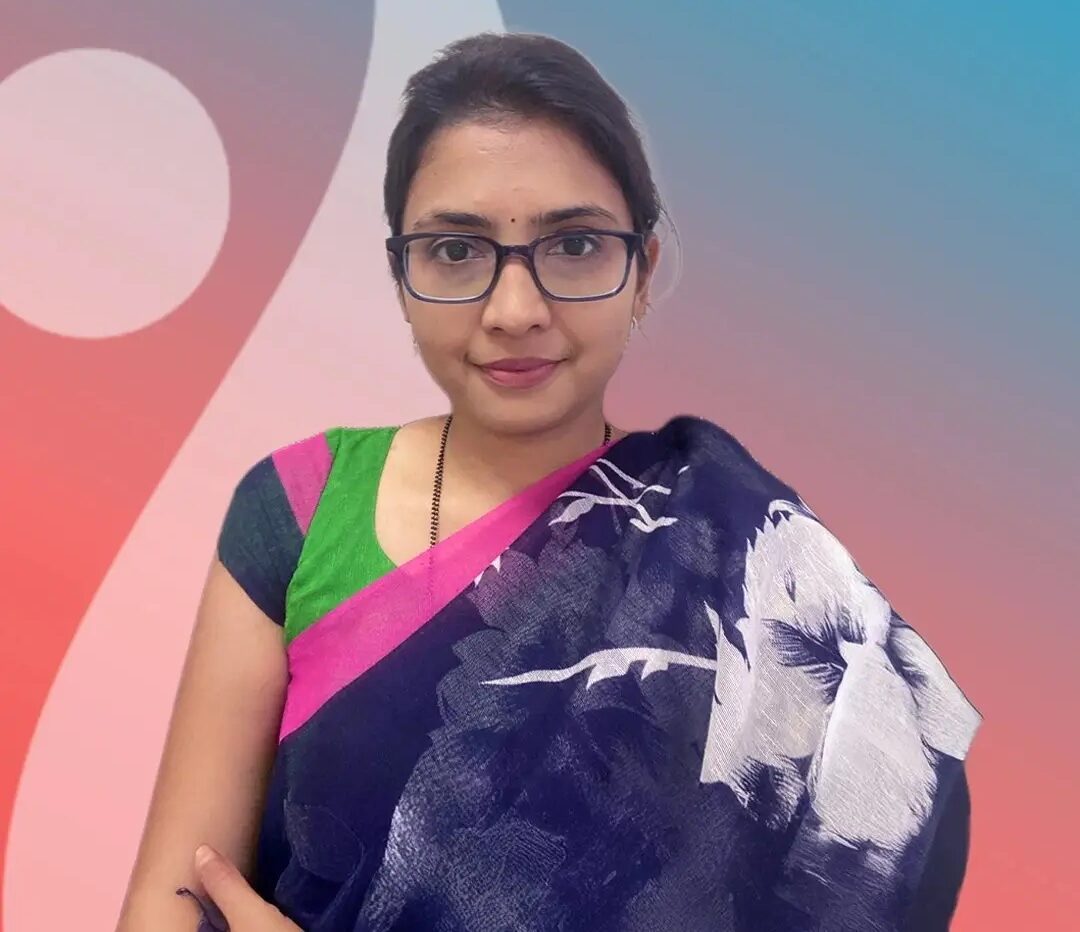
Dr. Neha Shetty
Designation: M.D. (Psychiatry)
Experience: 11+
Illnesses:
Depression, Anxiety Disorders, Bipolar Disorder, Schizophrenia & Psychosis, OCD, Drug Addiction,Mental Health Issues