Recreational Therapy
Recreational therapy is the planned use of leisure and group activities, such as sports, games, gardening, outings and creative play, to improve mood, health, social connection and everyday functioning, led by trained staff with clear goals. It treats healthy leisure as part of recovery. Many people with addiction or mental illness lose interest in hobbies, drift away from friends and have long, empty hours that can lead back to old habits. Recreational therapy helps a person rebuild interests, routine and confidence through enjoyable activity. It is a supportive therapy and works alongside medical care and counselling. At Calida Rehab, our psychologists and psychiatrists at our Mumbai region (Karjat) centre and our Pune centre offer recreational therapy alongside occupational therapy, counselling, medicines where needed and addiction treatment.
- Best for: people recovering from alcohol or drug use, and people with depression, anxiety, schizophrenia or other conditions who have lost routine, interest or social contact
- Approach: planned group and individual activities, such as sports, indoor games, gardening, creative work and supervised outings, linked to the person’s goals
- Typical course: regular sessions in the weekly timetable during residential care, often several times a week, adjusted to the person’s health and goals
- Not meant for: a person who is intoxicated, in withdrawal, acutely unwell or at risk of harming themselves or others, who need medical care first; activities are chosen with safety in mind
- Works alongside: occupational therapy, music and dance therapy, group therapy, counselling, medicines and addiction treatment
- Where: assessment and care at our Pune centre and Mumbai Region – Karjat centre
- Last updated: November 2026
Not sure which therapy fits?
Get a free, no-obligation consultation. Our clinical team will guide you or your family to the right plan.
What Is Recreational Therapy?
Boredom, loneliness and a lack of routine are common triggers in recovery. When alcohol or drugs took up much of a person’s day, the hours once spent using can feel empty. Illnesses such as depression and schizophrenia can also drain interest and energy, so that a person stops doing the things they once enjoyed.
In recreational therapy, a trained therapist or staff member plans activities that are enjoyable and suit the person’s health and interests, such as cricket, badminton, carrom, walks, gardening, quizzes or craft work. Each activity has a purpose, such as building stamina, practising teamwork, handling a loss calmly or simply feeling pleasure again. The person reviews with the therapist what helped and what was hard.
Recreational therapy is not a replacement for medical treatment or counselling. It is a supportive therapy that makes recovery more rounded. At Calida Rehab it is planned after an assessment by a psychiatrist and psychologist, and activities are chosen with safety and the person’s consent in mind.
Why Recreational Therapy Is Important
A healthy way to spend free time is one of the strongest supports in recovery. People who leave treatment without hobbies, friends or a routine often return to old places and old habits. Recreational therapy lets a person practise these things during treatment.
Group activities also build trust and fellow feeling, which many people have lost. Exercise and play can lift mood and ease stress, and shared enjoyment shows that life without substances can be fun. See our occupational therapy page, our group therapy page and our relapse prevention therapy page.
How Recreational Therapy Works
Recreational therapy follows a clear plan, delivered by trained staff, with the psychiatrist and psychologist involved in assessment and review.
Typical stages of care
- Assessment: the team reviews health, fitness, mood, interests, past hobbies, substance use and any risks, and checks which activities are safe.
- Goals: the person and therapist set simple goals, such as better sleep and stamina, more social contact, less boredom or learning to cope with losing.
- Activity plan: a weekly mix of group and individual activities is chosen from sports, games, outdoor time, creative work and group outings.
- Taking part: the person joins sessions with support to start, and the therapist watches how the person copes with energy, frustration, teamwork and rules.
- Reflection: after each activity, a short chat covers what the person enjoyed, what was hard and what they notice about themselves.
- Building new interests: the person tries new activities and picks those worth continuing after discharge.
- Family involvement: with consent, the family hears about the person’s interests and how to support healthy leisure at home.
- Aftercare plan: a list of healthy activities, places and people is written into the relapse prevention plan.
Sessions are usually part of the weekly timetable and last about 45 to 90 minutes. The team adapts the mix to the person’s health, and every person moves at a different pace.
Conditions We Support with Recreational Therapy
Recreational Therapy is offered at Calida Rehab, at our Mumbai and Pune centres, when the team judges it suitable for people dealing with:
Addiction and Recovery
Boredom and empty time are common relapse triggers. Planned activity gives structure and shows that enjoyment is possible without alcohol or drugs. See our alcohol addiction page, our drug addiction treatment page and our alcohol relapse case study.
Depression
Low energy and loss of interest can ease with gentle, regular activity, along with medicines and therapy. See our depression page.
Anxiety and Stress
Games, sport and outdoor time can ease tension and give a break from worry. See our anxiety page.
Schizophrenia and Psychosis
Group activities help a person return to routine and social contact once the illness is stable. See our schizophrenia page.
Gaming and Gambling Addiction
Real-world activity helps replace long hours on screens or betting with healthier interests. See our gaming addiction case study and our gambling addiction case study.
Benefits of Recreational Therapy
Recreational therapy helps a person enjoy life and build routine again. Gains vary from person to person.
Key advantages
- Lifts mood and energy in many people
- Gives structure to the day and cuts down empty time
- Rebuilds interests and a sense of enjoyment
- Improves fitness, sleep and appetite for many people
- Builds teamwork, patience and ways to handle losing or frustration
- Helps a person reconnect with others and feel less alone
- Builds confidence from trying and finishing activities
- Prepares a plan for healthy free time after discharge
Results vary from person to person. Recreational therapy works best when the person takes part regularly and chooses activities that matter to them.
Recreational Activities and Things to Know
The therapist plans each activity, and the person gives feedback every week. Here is what to know:
Sports and Exercise
Outdoor and indoor games such as cricket, badminton, volleyball or walking groups build fitness, teamwork and a healthy outlet for stress. The team adjusts the effort to each person’s health.
Indoor and Group Games
Carrom, board games, quizzes and cards in a group are used to practise turn-taking, focus and talking with others in a relaxed way.
Nature and Gardening
Time outdoors and simple gardening tasks give calm, light physical work and a sense of achievement.
Creative Activities
Craft, drawing and group music or dance add expression and fun. See our music therapy, dance therapy and expressive arts therapy pages.
Things to Know
Activities are voluntary and chosen with safety in mind. Tell the therapist about pain, dizziness, injuries or any medicine that causes drowsiness. Competition is kept friendly, and a person may sit out at any time. Recreation is not a treatment for addiction or mental illness on its own. Never begin or stop any medicine without your doctor’s advice. In an emergency, call 112 or the Tele-MANAS helpline on 14416.
Myths vs Facts About Recreational Therapy
Many people hesitate because of common beliefs about recreation and treatment. Knowing the facts helps in making an informed decision.
| Myth | Fact |
|---|---|
| Recreational therapy is just playing games. | Each activity has a goal, such as stamina, teamwork, mood or coping, and the therapist reviews progress with the person. |
| Fun is not real treatment. | Healthy enjoyment and routine are an important part of recovery, and they work together with medical care and counselling. |
| Only people who are good at sports can join. | Activities are chosen to suit each person’s health, age and interest, and the aim is taking part, not winning. |
| Free time can be filled later, after treatment. | Practising healthy ways to spend time during treatment makes it easier to carry on after discharge. |
| Recreation can replace therapy and medicines. | It supports treatment but does not replace counselling, relapse prevention or medicines where needed. |
Key Features of a Good Recreational Therapy Programme
Recreational Therapy works best when it is delivered properly by a trained professional. A good programme has these features:
- A trained recreational therapist or activity staff working under a clinical team
- A psychiatric and medical assessment before starting, to check health and safety
- Activities chosen with the person’s interests and goals in mind
- A weekly timetable with a good mix of group and individual activities
- Safe space and equipment, with supervision at all times
- Friendly, non-competitive rules, so that everyone can take part
- A short reflection after activities, to link them with recovery
- A link with the psychiatrist and psychologist for mood, sleep and medicines
- Family involvement and an aftercare list of healthy activities, with consent
- Open space for questions and difficulties
The programme should always be offered with the person’s informed consent.
Recreational Therapy in Mumbai and Pune
Calida Rehab has centres in Karjat (Mumbai region) and Pune. Here is how you can get in touch:
Recreational Therapy in Mumbai Region – Karjat Location
Calida Rehabilitation Centre, Karjat, Mumbai, De-addiction Centre with Complete Rehab Facility
55/1/A, Tata Road, Village: Bhaliwadi, Post: Goulwadi, Tal. Karjat, District: Raigad, Maharashtra 410201
Karjat Branch: +91 845 294 0789
Recreational Therapy in Pune Location
Calida Rehabilitation Centre Pune
Survey No 137/3/4, Bhagwati Complex, near Baner, Bhagwati Nagar, Parkhe Vasti, Sus, Pune, Maharashtra 411021
Pune Branch: +91 7499174304
Email: calidarehab@gmail.com
How to Choose the Right Recreational Therapy Programme
Choosing the right programme plays an important role in lasting change. Here are the steps to follow:
- Make a list of reputed centres with psychiatry and clinical psychology teams in nearby locations.
- Check that the clinicians are licensed and that the facility is registered. Our guide on how to verify a centre is licensed in Maharashtra can help.
- Ask who plans and leads the activities and what training they have.
- Ask what activities are offered, how often, and whether they are matched to each person’s health and interests.
- Ask how safety is handled during sports and outings, and how a person’s health is checked.
- Ask how recreation fits with counselling, medicines, addiction treatment and follow-up.
- Finally, look for real reviews and speak to families who have used the service.
Understanding the therapies used in rehab can also help families understand treatment decisions and expectations.
Medical Information Note
This page is for information and is not a substitute for medical advice. Recreational Therapy and any medicines are provided only by qualified professionals after a clinical assessment and informed consent. If you or someone you know is in immediate danger, or is thinking of harming themselves or others, call 112 or the Tele-MANAS helpline on 14416 right away.
Take the First Step - Contact Calida Rehab
A full, enjoyable life without substances is possible. If recreational therapy is advised, you have the right to understand it fully and to ask every question. At Calida Rehab, our team explains the options with care, and supports the whole person and family during treatment and after recovery.
If boredom, low interest or an empty routine are affecting your health, your family or your recovery, speak to our team and book an appointment today.
Related pages
Occupational Therapy | Music Therapy | Dance Therapy | Expressive Arts Therapy | Yoga Therapy | Meditation Therapy | Group Therapy | Relapse Prevention Therapy | Community-Based Rehabilitation | Peer Support and Aftercare Group | Therapies in Rehab
Where we offer care (Pune and the Mumbai region)
Mental Hospital in Mumbai | Mental Hospital in Pune | Rehabilitation Centre in Mumbai | Rehabilitation Centre in Pune | Rehabilitation Centre in Karjat
10K +
Patients Serviced with Complete Care
NABH
Guidelines Compliant
170 +
Beds Capacity
24/7
Residential Staff
Call our 24-hour free confidential helpline.
Treatments
Therapies
Ready to take the first step?
Talk to a Calida counsellor today. It is free, confidential and carries no obligation.
What Patients and Families Say About Calida Rehab
Read what people have shared about their experience with our team.
Experts Who Will Guide Your Recovery
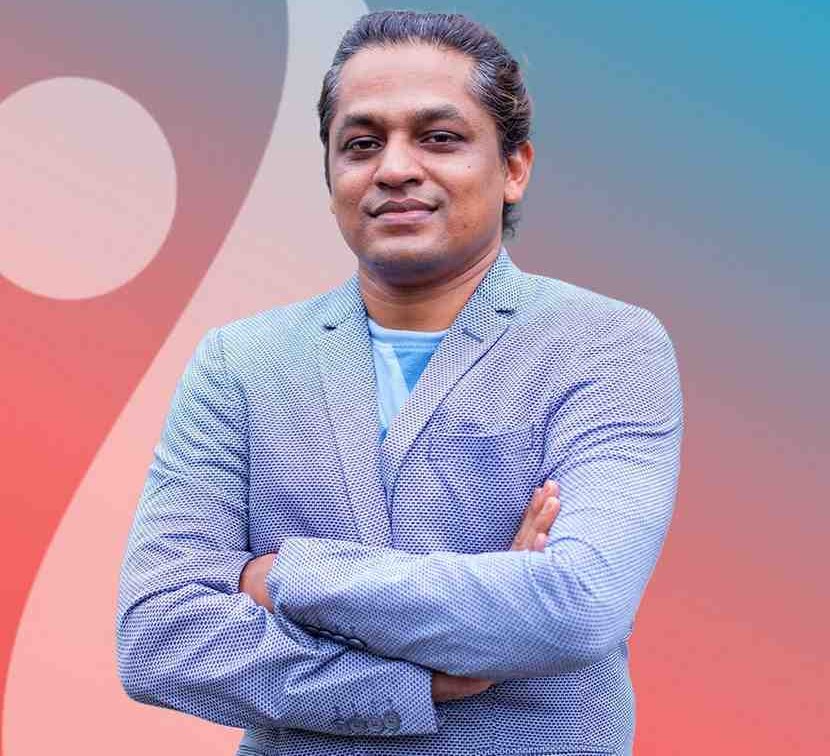
Dr. Prashant Dasud
Designation: M.D. (Psychiatry)
Experience: 14+
Illnesses:
Depression & Mood Disorders, Anxiety Disorders, Bipolar Disorder, Schizophrenia & Psychotic Disorders, OCD, Drug & Alcohol Addiction, Sleep Disorders
Geriatric Mental Health Issues
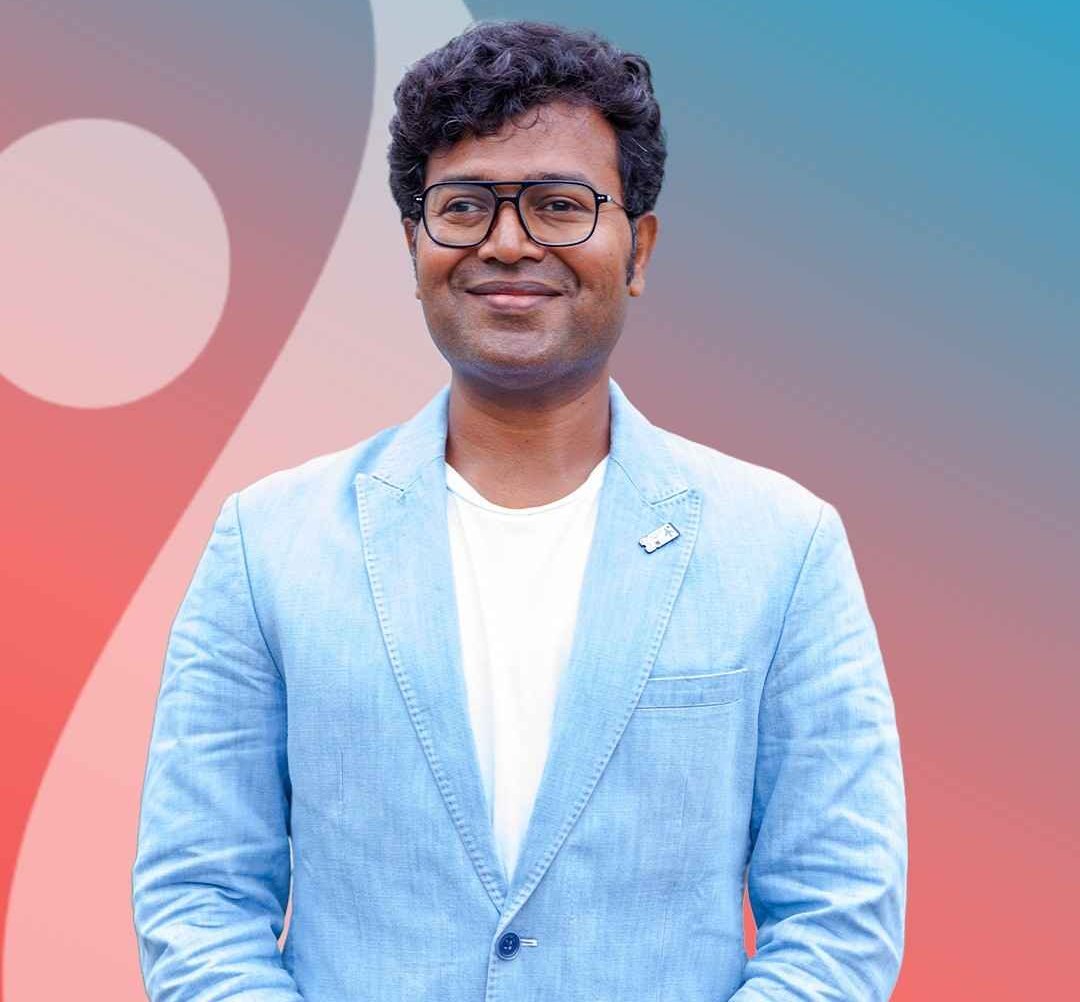
Dr. Santosh Pawar
Designation: M.D. (Radiodiagnosis)
Experience: 12+
Illnesses:
CT / MRI, Dementia & Memory Disorder, Neuro-radiological Evaluation, pine & Nerve Imaging,Head Injury & Neurological, Diagnostic Support for Mental Health
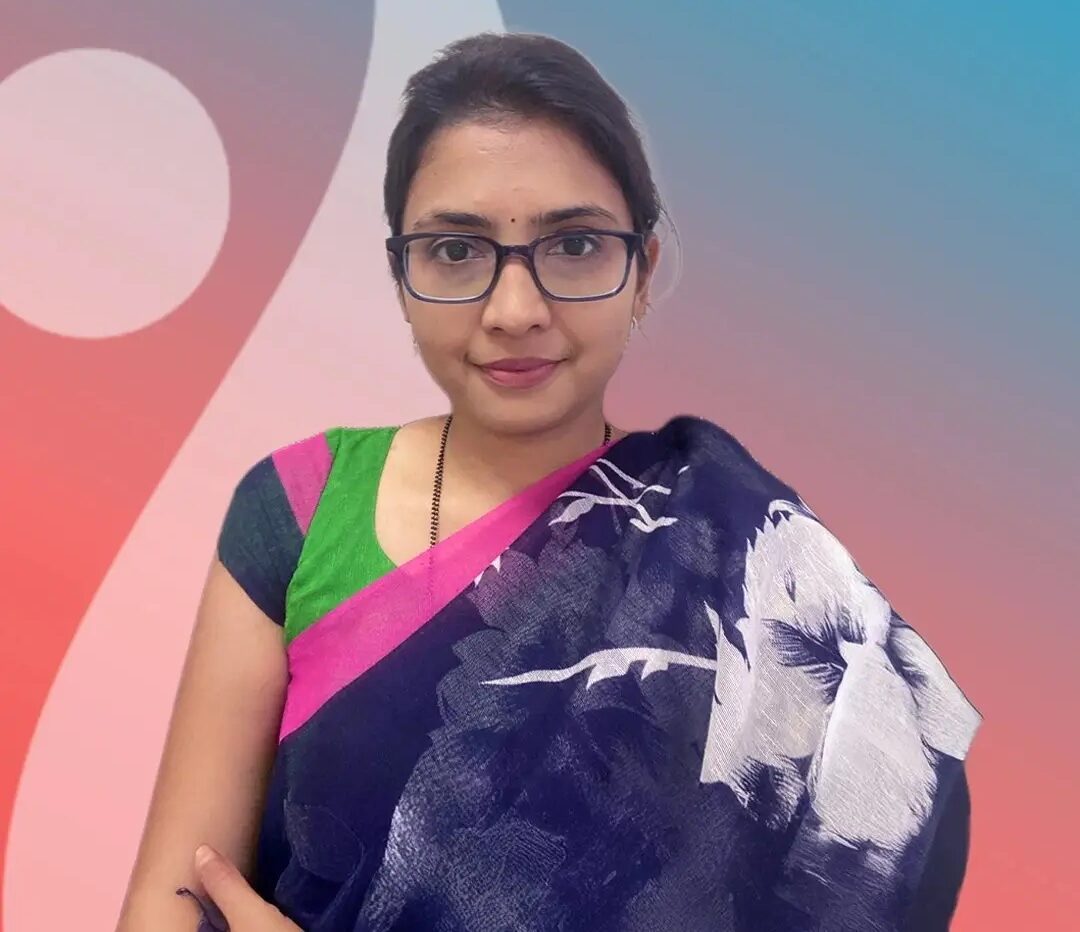
Dr. Neha Shetty
Designation: M.D. (Psychiatry)
Experience: 11+
Illnesses:
Depression, Anxiety Disorders, Bipolar Disorder, Schizophrenia & Psychosis, OCD, Drug Addiction,Mental Health Issues
Dr. Abhijit Bombe
Designation: MBBS, DPM
Experience: 10+
Illnesses:
Anxiety & Panic Disorders, Depression, Schizophrenia, Bipolar Disorder, OCD, Alcohol & Substance Use Disorders, Stress & Behavioral Problems
Recreational Therapy at Calida Rehab - FAQs
What is recreational therapy?
Recreational therapy is the planned use of activities such as sports, games, gardening, creative work and outings to improve mood, health, social connection and daily functioning. Trained staff choose the activities to match the person’s interests and goals.
Who should take recreational therapy?
It is useful for people in recovery from alcohol or drug use, and for people with depression, anxiety or schizophrenia who have lost routine, interest or social contact. It is not meant for a person who is intoxicated, in withdrawal or acutely unwell. These need medical care first, and a psychiatrist checks suitability.
How long does recreational therapy take?
It is usually part of the weekly timetable in residential care, with sessions of about 45 to 90 minutes. The team adapts how often and how long to each person’s health and goals.
Does recreational therapy really work?
Exercise, enjoyable activity and social contact are known to support mood and wellbeing, and recreational therapy is widely used in rehabilitation and mental health care. The research is more limited than for talking therapies, so it is used as part of a wider plan. Results vary from person to person.
Can recreational therapy help prevent relapse?
Boredom and empty time are common triggers for relapse. Planned activity builds routine, healthy interests and social support that can lower the risk, alongside relapse prevention therapy, counselling and medicines where needed. Medicines, if any, are decided only by the psychiatrist.
Is recreational therapy offered in Mumbai and Pune?
Yes. We offer care at our Karjat (Mumbai region) centre and our Pune centre. Call our 24-hour helpline to book an assessment, and the team will tell you whether recreational therapy suits you.