
A panic attack usually arrives without warning — a racing heart, tight chest, shaking hands, and a sudden, overwhelming sense that something is terribly wrong. For many people in Mumbai and Pune juggling long commutes, demanding jobs, and constant digital noise, these episodes are becoming more frequent. The good news: panic attack treatment is one of the most effective areas of mental healthcare, and most people improve significantly once they start.
This guide explains what panic attack treatment actually involves — from first-line therapy and medication to natural techniques you can use today — and how to choose the right kind of care in Mumbai or Pune.
Need Help Right Now? Talk to Our Team
If panic attacks are affecting your daily life, work, or relationships, you don’t have to manage this alone — explore our panic disorder treatment program. Call +91-8452940789 | WhatsApp Us | for a confidential consultation with our mental health team in Mumbai and Pune.
What Is a Panic Attack, Really?
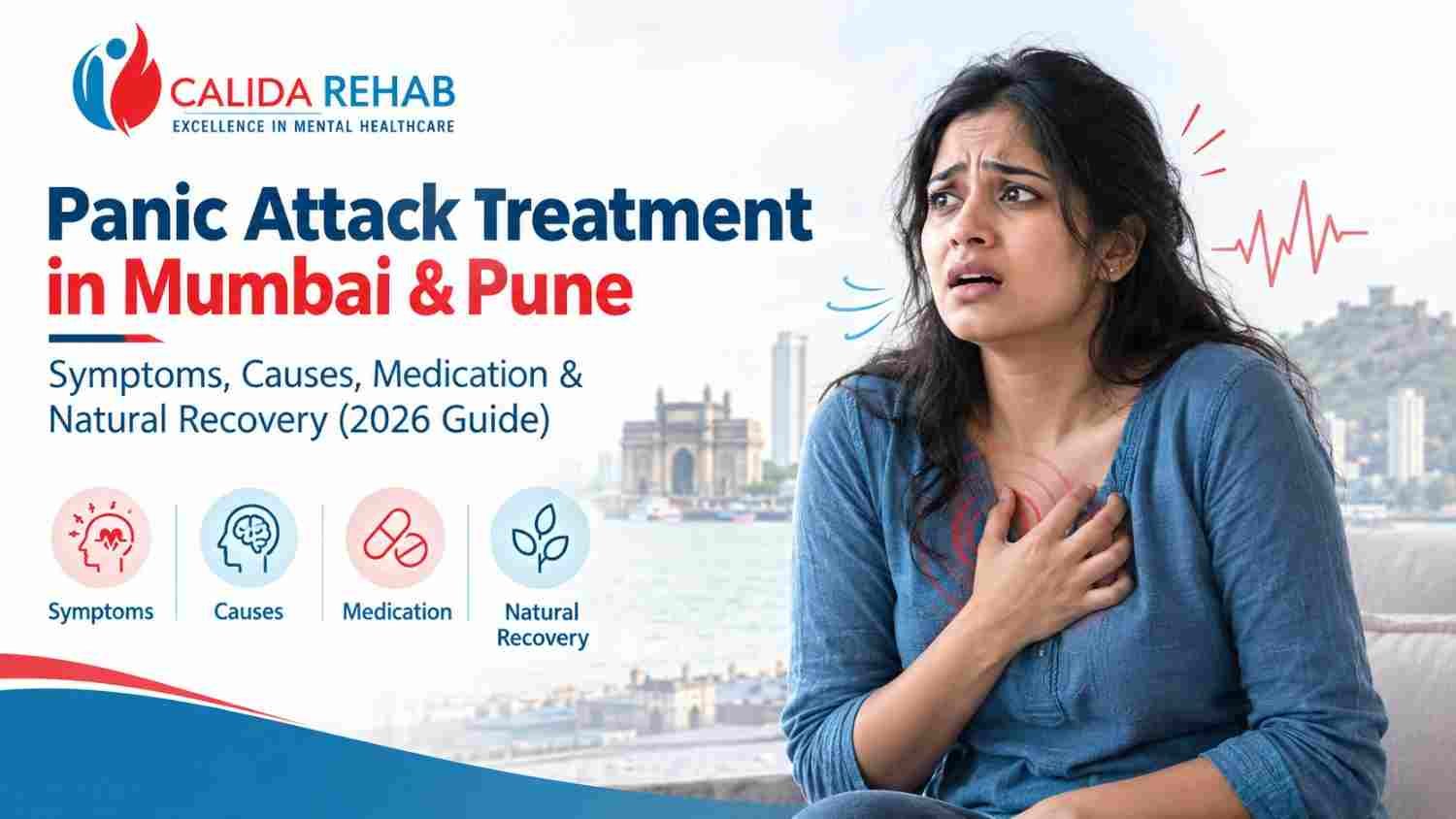
A panic attack is a sudden surge of intense fear or discomfort that peaks within minutes, even though there is no real danger present (read more on how anxiety can cause physical symptoms like shortness of breath). It is the body’s fight-or-flight response switching on at the wrong moment. Common symptoms include:
- Pounding or racing heartbeat
- Shortness of breath or a choking sensation
- Chest pain or tightness (often mistaken for a heart attack)
- Sweating, trembling, or chills
- Dizziness or feeling faint
- A sense of unreality (derealisation) or detachment from yourself
- Fear of losing control or “going crazy”
- Fear of dying
A single panic attack does not automatically mean you have panic disorder. Panic disorder is diagnosed when attacks are recurrent and are followed by at least a month of persistent worry about having another one, or a change in behaviour to avoid triggers — such as avoiding crowded local trains, malls, or meetings.
Why Panic Attacks Are Rising in Mumbai and Pune
Clinicians across both cities report a steady rise in panic-related consultations, particularly among IT and finance professionals, students preparing for competitive exams, and new parents. Left unaddressed, these patterns often escalate — which is why early panic attack treatment matters. A few recurring patterns show up again and again (see also: how to overcome depression and anxiety in daily life):
- Chronic work pressure and long commutes that keep the nervous system in a constant state of low-grade alert
- Sleep debt from late-night work calls or screen time, which lowers the threshold for panic symptoms
- Caffeine and stimulant overuse — multiple cups of chai or coffee across a stressful day can mimic or trigger panic symptoms
- Unaddressed grief, trauma, or major life transitions that surface as physical symptoms rather than emotional ones
- Social stigma that delays people from seeking help until symptoms are severe
Panic Attack Treatment: What Actually Works
Panic disorder responds very well to treatment, and most people improve significantly within a few months of starting the right combination of therapy, and where needed, medication. There is no single “best” treatment — it depends on severity, how long symptoms have been present, and whether other conditions like depression or generalised anxiety are also present.
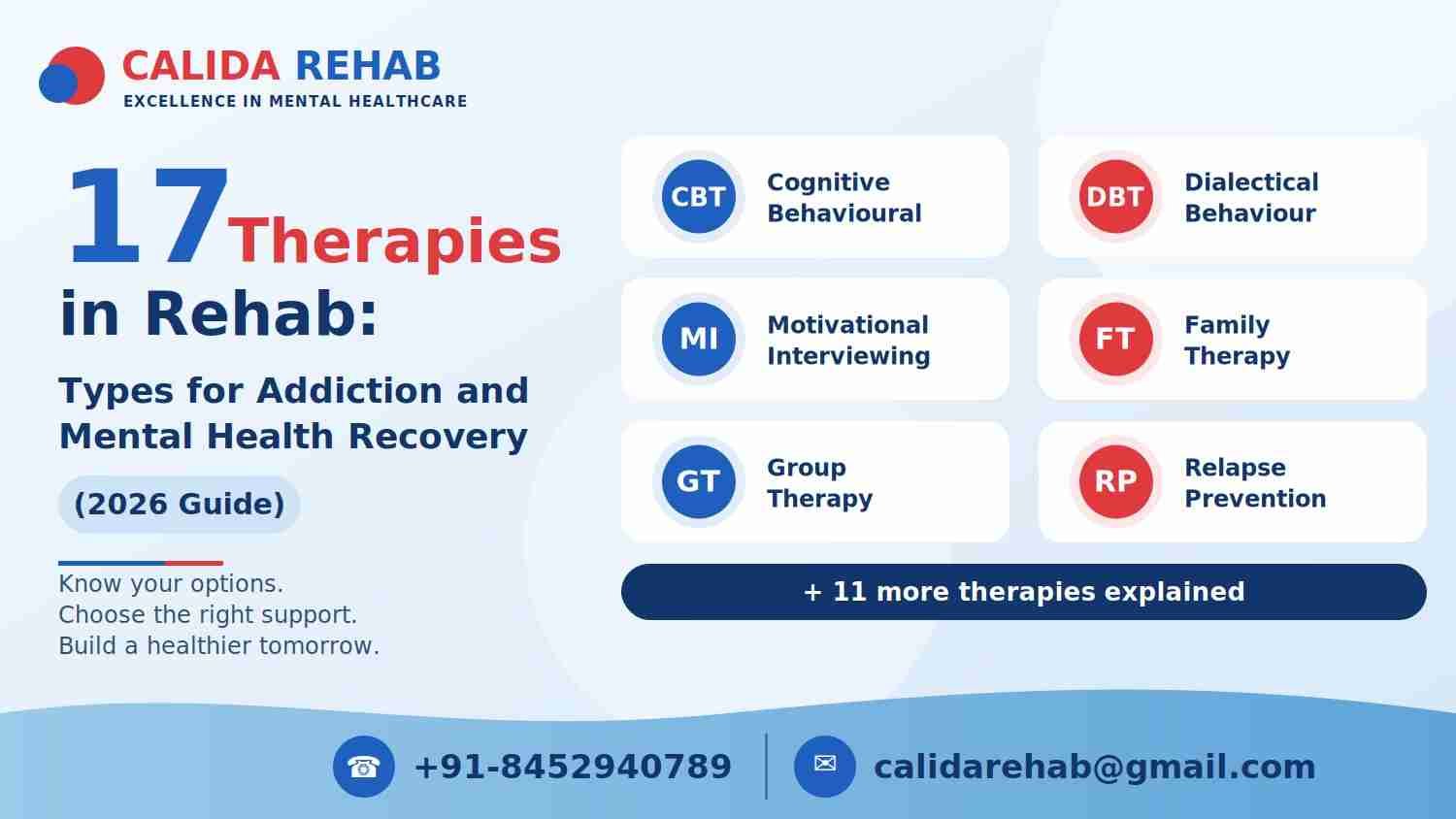
1. Cognitive Behavioural Therapy (CBT) — The Gold Standard
CBT is the most evidence-backed treatment for panic disorder. It works by helping you identify the catastrophic thoughts that fuel panic (“I’m having a heart attack,” “I’m going to lose control in public”) and gradually retrain your response to physical sensations. A specific form called interoceptive exposure deliberately and safely recreates panic sensations (like a racing heart through light exercise) in a controlled setting, so the brain learns these sensations are not dangerous. Most CBT courses for panic run 8–16 sessions.
2. Medication — When and What
Medication is not always necessary, but for moderate to severe panic disorder it can make therapy more effective by reducing symptom intensity. A psychiatrist typically chooses between:
- SSRIs (e.g., sertraline, escitalopram) — first-line, taken daily, usually take 2–6 weeks to show full effect, and are considered safe for long-term use under supervision
- SNRIs (e.g., venlafaxine) — an alternative when SSRIs aren’t well tolerated
- Benzodiazepines (e.g., clonazepam, alprazolam) — fast-acting for acute episodes, but only prescribed short-term or as-needed due to dependence risk; never a standalone long-term solution
Medication decisions should always be made by a psychiatrist after a full evaluation — self-medicating or borrowing someone else’s prescription can worsen symptoms or mask an underlying condition.
3. Natural and Self-Managed Techniques
These don’t replace professional treatment for diagnosed panic disorder, but they meaningfully reduce frequency and intensity, especially alongside therapy:
- Diaphragmatic breathing — slow inhale for 4 counts, hold for 4, exhale for 6; this directly counters the hyperventilation that intensifies panic
- Grounding techniques — naming 5 things you see, 4 you can touch, 3 you hear, brings attention back to the present
- Reducing caffeine and nicotine, both of which can trigger or worsen panic symptoms
- Regular aerobic exercise, which lowers baseline anxiety and improves stress resilience over weeks
- Consistent sleep schedule, since sleep deprivation is one of the strongest panic triggers
- Mindfulness-based stress reduction, which has trial evidence for reducing panic frequency
Panic Attack Treatment: Outpatient vs Residential Care
Most people with panic disorder are treated entirely as outpatients — weekly therapy sessions combined with medication management, fitting around work and family life. Residential or structured day-program care is usually only needed when:
- Panic attacks are happening multiple times a day and disrupting basic functioning
- There is a co-occurring condition like severe depression or substance use
- Agoraphobia has developed, making it difficult to leave home at all
- Previous outpatient treatment hasn’t led to improvement
At our rehabilitation centre in Pune and Mumbai facilities, our team assesses severity first and recommends the least restrictive, most effective level of care — many clients see real improvement through outpatient therapy alone.
When to See a Professional
Starting panic attack treatment early leads to faster recovery. See a doctor or mental health professional if you experience any of the following:
- Recurring panic attacks (more than one or two)
- Ongoing fear of the next attack
- Avoiding places or situations because of panic
- Symptoms interfering with work, relationships, or daily routine
It’s also important to rule out physical causes first — thyroid issues, cardiac conditions, and certain medications can produce panic-like symptoms, so an initial medical check-up is a sensible first step alongside a mental health evaluation.
Frequently Asked Questions
What is the best treatment for panic attacks?
Cognitive Behavioural Therapy (CBT) is the most evidence-backed treatment for panic disorder, often combined with SSRIs for moderate to severe cases. The right combination depends on symptom severity and is best decided with a psychiatrist or therapist.
How long does panic attack treatment take to work?
Many people notice improvement within 4–8 weeks of starting CBT, with fuller results over 3–4 months. Medication, if prescribed, typically takes 2–6 weeks to reach full effect.
Can panic attacks be treated without medication?
Yes. Many people manage panic disorder successfully with therapy and lifestyle changes alone, especially when symptoms are mild to moderate. Medication is an option, not a requirement, and the decision should be made with a psychiatrist based on severity.
Are panic attacks dangerous?
Panic attacks are intensely frightening but not physically dangerous on their own. However, the symptoms can closely mimic a heart attack, so any new or unexplained chest pain should be evaluated by a doctor to rule out cardiac causes.
How to stop a panic attack fast?
Focus on slow, controlled breathing: inhale for 4 counts, hold for 4, exhale for 6. Pair this with grounding — name 5 things you see, 4 you can touch, and 3 you hear. Remind yourself the sensations, while intense, are not dangerous and will pass within a few minutes. If attacks keep recurring, this is a coping tool, not a substitute for treatment.
What is the 3-3-3 rule for panic attacks?
The 3-3-3 rule is a quick grounding technique: name 3 things you can see, 3 sounds you can hear, and move 3 parts of your body (fingers, ankle, shoulder). It interrupts the panic spiral by shifting attention from internal fear to the present physical environment, and can be done anywhere — on a train, in a meeting, or at home.
Panic Attack Treatment: Getting Help in Mumbai or Pune
Panic disorder is highly treatable, and most people who get the right care go on to live without it controlling their choices. If panic attacks are holding you back — from your commute, your career, or your relationships — Calida Rehab’s mental health team at our rehabilitation centre in Mumbai, Pune, and Karjat offers confidential evaluation and personalised treatment plans, from outpatient therapy to structured residential care when needed.
Call +91-8452940789 | WhatsApp Us | for a confidential, no-obligation consultation.
If panic attacks are severe or recurring and need clinical supervision, you can explore residential psychiatric care at our mental hospital in Pune.