

A mental hospital and an asylum are not the same. The approach, treatment, and most importantly, patients’ rights make the two healthcare units completely different. Understanding the difference between the two can help one make a decision based on facts instead of fear and stigma. In this blog, we are answering the question, “Is an insane asylum the same as a mental hospital?”
Clear Difference at a Glance – Mental Hospitals Vs Mental Asylums in India
Here is a quick comparison to understand the two, mental hospitals and insane asylums, at a glance.
To see what a modern residential psychiatric setting looks like, visit our psychiatric hospital in Pune.
| Aspect | Mental Hospital | Mental Asylum |
| Purpose | Structured and personalised treatment and recovery | Isolation and experiments |
| Approach | Evidence-based therapy + medication | Isolation and shock |
| Regulation | Strict healthcare laws | Did not exist |
| Patient Rights | Protected | Did not exist |
| Environment | Safe, monitored, and healing | Clinical and restrictive |
What Is a Mental Hospital Today?
A mental hospital is a special facility designed to diagnose, treat, and manage mental health conditions. The hospital houses experts in mental health, including psychiatrists, psychologists, therapists, nurses, and additional staff to support treatment. Furthermore, the facility is designed to meet patients’ needs and aid recovery. Mental hospitals today must operate in full compliance with healthcare laws and regulatory standards set by the Indian Ministry of Health.
In simple words, it means that a mental hospital provides:
- Psychiatric evaluation and diagnosis
- Medication management under supervision
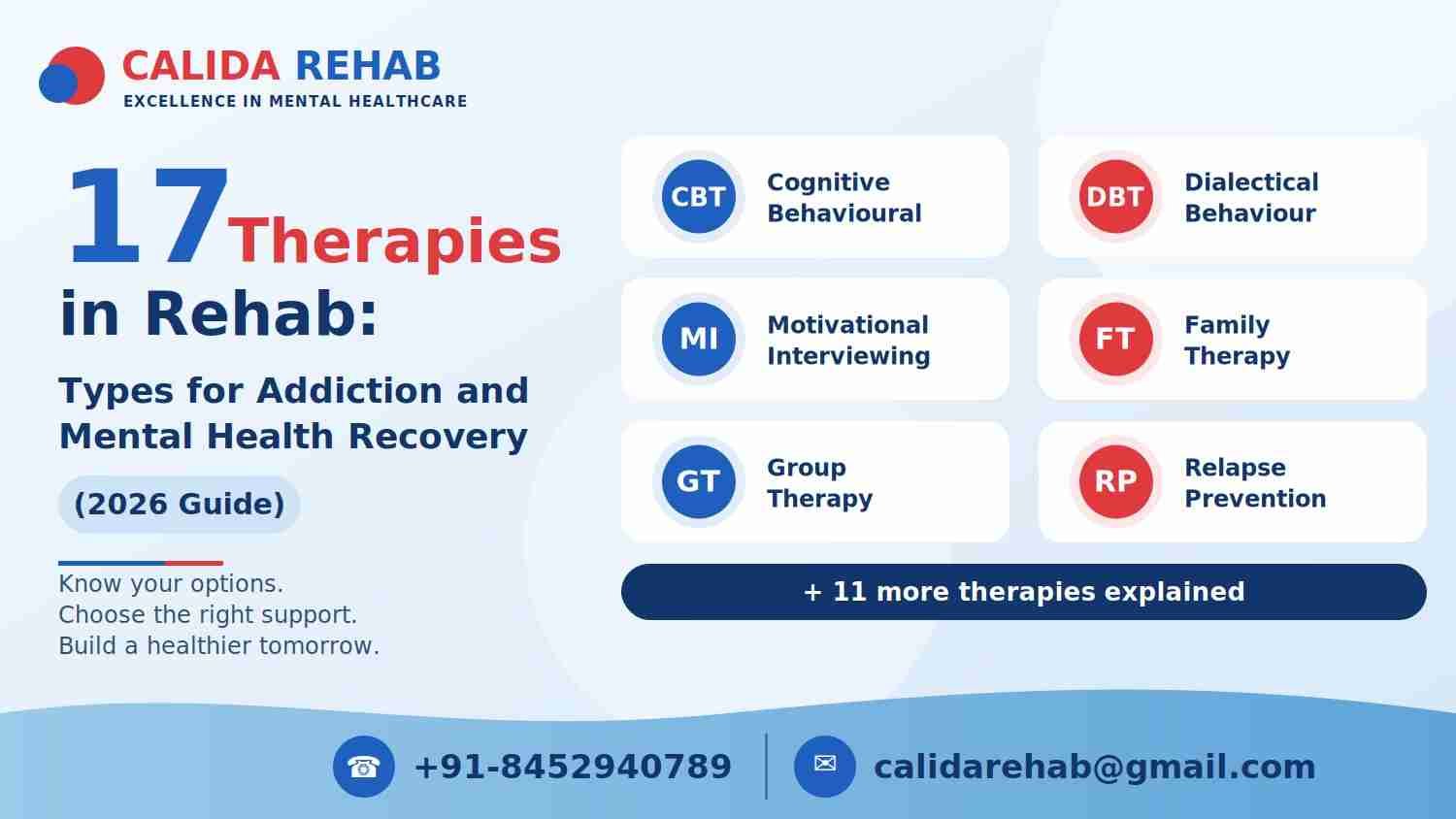
- Proven psychological therapies such as Cognitive Behavioural Therapy (CBT), Dialectical Behavioural Therapy (DBT), etc.
- Crisis intervention and stabilisation
- Rehabilitation and relapse prevention
- Family support
- Safe living standards
- Mandatory consent
Additionally, treatment of mental health conditions is now personalised with a focus on recovery and relapse prevention. So, the answer to “Is an insane asylum the same as a mental hospital?” is no. However, to understand the why and how, you will have to understand what ’insane asylums’ were.
What Were Insane Asylums Historically?
Before describing the insane asylums, it’s important to note that they no longer exist. All the old mental or insane asylums are now regulated by the government and operate as mental hospitals.
Isolated Chambers of Mental Asylums in India
Mental asylums were established in colonial India by the British. The lunatic asylums in the 18th and 19th centuries were places designed to treat patients needing mental healthcare. Since most of these patients would be admitted in advanced stages after violent attacks, the asylums had prisons and sometimes shackles to restrain them. Old movies have also given everyone glimpses of how shock therapy was used to control them.
Lack of Structured Treatment for Recovery
Also, there were no programs to reintegrate the patients into society. Rarely did the patients come back, and even if they did, people would not accept them, due to fear. So, mental asylums meant prison, isolation, and shock therapy for the longest time. The fear and stigma have been so strong that even now, people have a tough time seeking mental health support and treatment.
So, to simplify, the common characteristics of a mental asylum included:
- Long-term confinement
- No clear treatment goals
- Limited understanding of psychiatric conditions
- Use of restraints or restrictive practices
- Minimal focus on recovery or reintegration
Therefore, the very question, “Is an insane asylum the same as a mental hospital?” highlights a shift.
Evolution of Mental Healthcare in India
Advancements in medicine and psychiatry, along with the Mental Healthcare Act, 2017 (MHCA), transformed mental healthcare in India. Policies were made to prioritise patient rights, informed consent, and humane treatment. It also phased out outdated practices associated with mental asylums effectively.
As a result, the debate around “is an insane asylum the same as a mental hospital” becomes less relevant in modern contexts. Mental hospitals are regulated by the government now, and any malpractices and complaints by a patient can make the hospital and the staff lose their license to practice.
Treatment Approaches: Then vs Now
One of the most defining differences between mental hospitals and mental asylums in India lies in how treatment is delivered. Previously, the asylums lacked structured treatment programs, evidence-based therapeutic interventions, and holistic support.
In contrast, mental asylums today have:
- Medication protocols
- Structured psychotherapy sessions – personalised and with milestones
- Family counselling and support systems
- Occupational and behavioural therapies
- Reintegration programs
Many facilities integrate holistic healing for long-term well-being and relapse prevention as well.
Safety, Ethics, and Patient Rights
Mental hospitals today prioritise safety for all types of patients, especially for vulnerable groups such as women and children. While historical mental asylums in India lacked safeguards, which led to serious ethical concerns, today hospitals ensure that the dignity of the patients is protected.
In modern mental hospitals, female patients and children are attended to by trained female staff when required. Today, strict protocols are in place to prevent abuse, neglect, or exploitation of patients. CCTV monitoring and documentation of admission, diagnosis, treatment, response, and discharge ensure accountability. Most importantly, consent is mandatory in treatment today.
The Role of Rehabilitation Centres Like Calida Rehab
Calida Rehab bridges the gap between hospital treatment and home care for long-term recovery. It is designed to offer structured rehabilitation programmes that go beyond clinical care. Unlike outdated mental asylums in India, the rehab focuses on reintegration, holistic recovery, long-term wellness, and relapse prevention.
A multidisciplinary team, combined with a premium facility, ensures recovery feels like relief to every patient. Treatment for mental health conditions like depression and anxiety disorder, bipolar disorder, schizophrenia, substance use disorders, etc., is personalised based on individual diagnosis, goals, and stage.
Treatment Involves
- Medication management – need-based and under supervision
- Routine setup
- Holistic wellbeing
- Cognitive Behavioural Therapy (CBT)
- Dialectical Behaviour Therapy (DBT)
- Group therapy and peer support
- Family therapy sessions
- Relapse prevention programmes
- Nutritional support
- Skill-building workshops
The integrated approach is what makes a rehab completely different from a hospital and an asylum.
Final Thoughts
Mental healthcare has evolved from torture chambers to self-care. Today, it includes structured, compassionate, and science-driven treatment models. While mental asylums in India represent an important part of history, they no longer define modern psychiatric care standards. Today, mental health is at the heart of everyday conversations, and the healthcare system is developing to meet the changing standards. It is:
- Safe
- Milestone-based
- Moderated
- Personalised
- Confidential
- Comforting
So, if the fear of mental asylums in India has been holding you or someone you know back from seeking help, you are in for a pleasant surprise. Book your consultation with Calida today to take the first step for yourself.
Frequently Asked Questions Answered
No, the term ‘mental asylum’ is outdated and no longer used in modern healthcare systems. Older institutions have either been shut down or transformed into modern mental hospitals. Today, all mental health institutions operate under strict government regulations and policies to ensure patient safety and ethical care.
No, mental asylums are an outdated concept. Today, mental health treatment is provided in licensed mental hospitals, rehabilitation centres, and psychiatric clinics that follow modern medical standards.
Yes, modern mental hospitals are designed to ensure safety for women patients. They follow strict safety protocols including trained female staff supervision, secure infrastructure, privacy measures, and adherence to legal safeguards.
Mental hospitals provide medication, psychotherapy, counselling, and structured rehabilitation programmes. At Calida Rehab, we combine clinical treatment with holistic wellness approaches to support long-term recovery, emotional stability, and relapse prevention.
Recovery is possible with the right treatment, care, and support system. At Calida Rehab, our programmes focus on long-term recovery, social reintegration, and relapse prevention. However, outcomes vary depending on the individual’s condition, diagnosis, and stage of treatment.