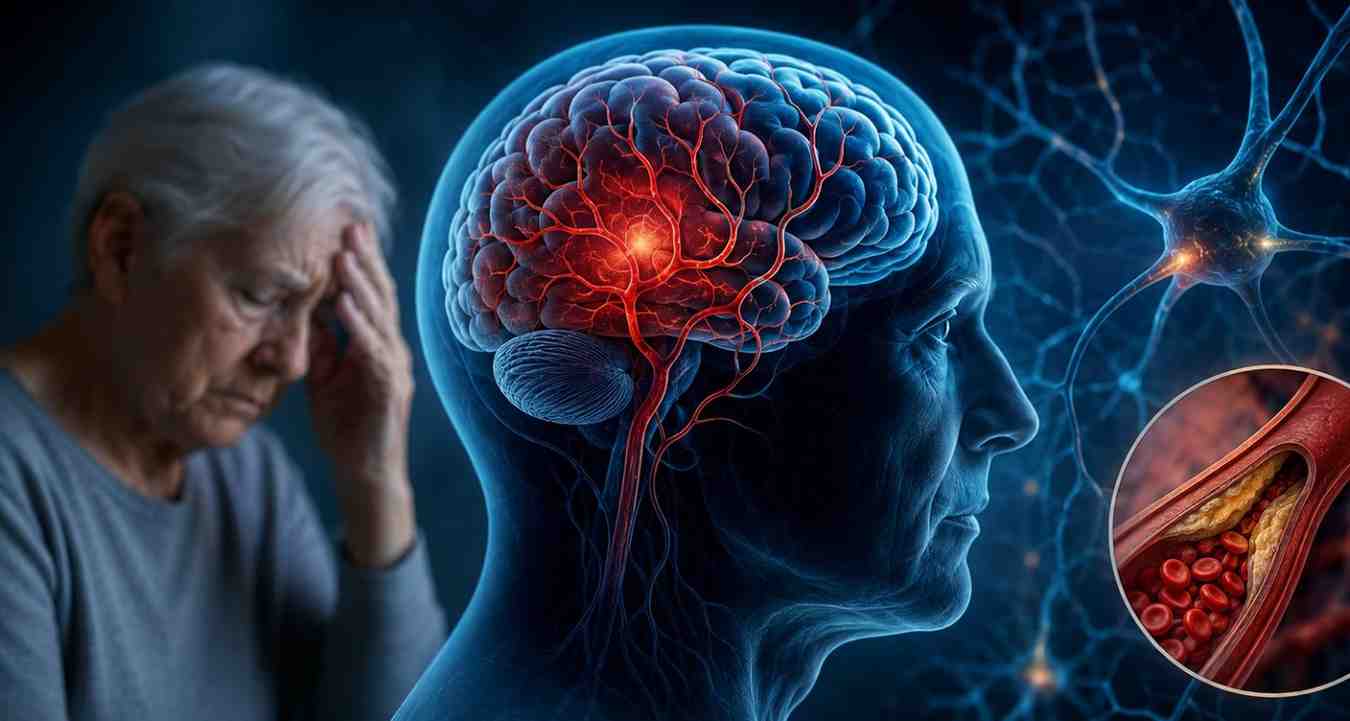

Vascular dementia is a type of dementia caused by reduced blood flow to the brain, often due to strokes or damaged blood vessels. It affects memory, thinking ability, reasoning, behaviour, and daily functioning.
The ICD-10 code for vascular dementia commonly begins with F01, including codes such as F01.50 (without behavioural disturbance) and F01.51 (with behavioural disturbance). Early diagnosis and treatment can help slow progression and improve quality of life.
Vascular dementia is the second most common form of dementia after Alzheimer’s disease. Yet many people are unaware of its symptoms, causes, and how it differs from other memory-related conditions.
Unlike Alzheimer’s, which mainly develops due to abnormal protein changes in the brain, vascular dementia occurs because the brain does not receive enough healthy blood circulation.
This condition can develop gradually or suddenly after a stroke. In many cases, symptoms worsen over time, affecting memory, concentration, mood, communication, and decision-making abilities.
Understanding vascular dementia ICD codes, warning signs, and treatment options can help families seek proper medical support before the condition becomes severe.
In this detailed guide, you will learn:
- Vascular dementia definition
- Causes and symptoms
- ICD-10 codes for vascular dementia
- Vascular dementia with behavioural disturbance, ICD-10
- Stages and diagnosis
- Treatment and management options
- Risk factors and prevention tips
- When to seek medical care
Vascular Dementia Definition
Vascular dementia is a neurological condition caused by reduced blood supply to the brain. When blood vessels become blocked, narrowed, or damaged, brain cells do not receive enough oxygen and nutrients. Over time, this damage affects memory, thinking skills, emotional control, and behaviour.
The condition often develops after:
- Stroke
- Mini-strokes (TIAs)
- Chronic high blood pressure
- Blood vessel disease
- Diabetes-related vascular damage
Mental decline may occur suddenly after a major stroke or gradually due to multiple small strokes over time. According to the ICD-10 classification system, vascular dementia falls under the category F01.
What Causes Vascular Dementia?
Vascular dementia develops due to conditions that damage blood vessels and reduce blood flow to the brain.
Common Causes Include:
1. Stroke
A stroke blocks the blood supply to parts of the brain, damaging brain tissue permanently.
2. Small Vessel Disease
Tiny blood vessels deep inside the brain become damaged over time.
3. High Blood Pressure
Chronic hypertension weakens and narrows blood vessels.
4. Diabetes
High blood sugar damages blood circulation and increases stroke risk.
5. Heart Disease
Irregular heart rhythm and cardiovascular disease can reduce oxygen supply to the brain.
6. High Cholesterol
Fat deposits inside the arteries restrict healthy blood circulation.
Risk Factors for Vascular Dementia
Certain factors increase the likelihood of developing vascular dementia.
Major Risk Factors
- Smoking
- Obesity
- High blood pressure
- Diabetes
- High cholesterol
- Lack of physical activity
- Advanced age
- Family history of stroke
- Alcohol misuse
Many of these risks are preventable through lifestyle changes and medical treatment.
Symptoms of Vascular Dementia
Symptoms vary depending on which parts of the brain are affected.
Early Symptoms
- Forgetfulness
- Poor concentration
- Difficulty planning tasks
- Slower thinking speed
- Mood changes
- Confusion
Moderate Symptoms
- Trouble speaking
- Emotional instability
- Difficulty managing finances
- Disorientation
- Personality changes
Severe Symptoms
- Severe memory loss
- Difficulty recognising loved ones
- Loss of mobility
- Behavioral disturbances
- Hallucinations in some cases
- Dependence on caregivers
Unlike Alzheimer’s disease, vascular dementia often affects problem-solving and reasoning earlier than memory.
Vascular Dementia With Behavioural Disturbance ICD-10
Behavioural disturbances are common in moderate to severe vascular dementia.
These may include:
- Aggression
- Agitation
- Anger
- Wandering
- Emotional outbursts
- Sleep disturbances
- Social disinhibition
The ICD-10 code commonly associated with this condition is:
ICD-10 Code F01.51: Vascular dementia, unspecified severity, with behavioural disturbance
Additional updated ICD-10 codes also include:
- F01.511 – With agitation
- F01.518 – With other behavioural disturbance
ICD 10 Code for Vascular Dementia
The ICD-10 system classifies vascular dementia under category F01.
Common ICD-10 Codes
| ICD-10 Code | Description |
| F01.50 | Vascular dementia without behavioural disturbance |
| F01.51 | Vascular dementia with behavioural disturbance |
| F01.511 | Vascular dementia with agitation |
| F01.518 | Vascular dementia with other behavioural disturbance |
| F01.A0 | Mild vascular dementia |
| F01.B1 | Moderate vascular dementia with behavioural disturbance |
| F01.C18 | Severe vascular dementia with other behavioural disturbance |
How Is Vascular Dementia Diagnosed?
Doctors use several methods to diagnose vascular dementia accurately.
Medical Evaluation May Include:
- Neurological examination
- Cognitive testing
- MRI or CT brain scans
- Blood tests
- Stroke history evaluation
- Behavioral assessment
Brain imaging helps identify strokes, blood vessel damage, and areas of reduced circulation. Early diagnosis is extremely important because treatment may help slow progression.
Difference Between Alzheimer’s and Vascular Dementia
Many people confuse vascular dementia with Alzheimer’s disease.
Key Differences
| Alzheimer’s Disease | Vascular Dementia |
| Gradual memory decline | Often a sudden decline after a stroke |
| Memory affected first | Reasoning/problem-solving was affected early |
| Protein buildup in the brain | Blood vessel damage |
| Slower progression | Step-like progression common |
| Less linked to strokes | Strongly linked to stroke history |
Some individuals may experience mixed dementia, involving both conditions simultaneously.
Stages of Vascular Dementia
1. Early Stage
Symptoms may appear mild:
- Forgetfulness
- Mild confusion
- Reduced focus
- Mood changes
Many people still function independently.
2. Middle Stage
Symptoms become more noticeable:
- Behavioral issues
- Memory decline
- Difficulty speaking
- Poor judgment
- Increased confusion
Daily support may become necessary.
3. Late Stage
Severe cognitive decline develops:
- Loss of independence
- Mobility problems
- Severe memory impairment
- Difficulty swallowing
- Personality changes
Full-time caregiving is often required.
Treatment Options for Vascular Dementia
There is currently no permanent cure for vascular dementia. However, treatment can help manage symptoms and slow progression.
1. Managing Underlying Conditions
Controlling blood vessel damage is critical.
Doctors may recommend:
- Blood pressure medications
- Cholesterol management
- Diabetes treatment
- Stroke prevention medication
2. Cognitive Therapy
Therapy may help improve:
- Memory skills
- Daily functioning
- Communication abilities
- Emotional regulation
3. Behavioural Management
For behavioural disturbances, professionals may use:
- Structured routines
- Calm environments
- Sleep management
- Psychological support
In some cases, medication may help control agitation or aggression.
4. Lifestyle Changes
Healthy lifestyle choices can slow cognitive decline.
Helpful Habits
- Regular exercise
- Healthy diet
- Mental stimulation
- Social interaction
- Quality sleep
- Smoking cessation
Can Vascular Dementia Be Prevented?
While not all cases are preventable, reducing vascular risk factors significantly lowers the chance of developing the condition.
Prevention Tips
- Control blood pressure
- Treat diabetes properly
- Maintain healthy cholesterol levels
- Exercise regularly
- Avoid smoking
- Limit alcohol consumption
- Eat heart-healthy foods
What benefits the heart often benefits the brain as well.
Behavioural Symptoms in Vascular Dementia
Behavioural symptoms can become emotionally difficult for both patients and caregivers.
Common Behavioural Changes
- Irritability
- Depression
- Anxiety
- Emotional instability
- Aggression
- Wandering
- Sleep disturbances
Behavioural symptoms are often why families seek medical help.
Caregiving Challenges in Vascular Dementia
Caring for someone with vascular dementia can be physically and emotionally demanding.
Caregivers may experience:
- Emotional burnout
- Sleep disruption
- Stress
- Anxiety
- Social isolation
Support groups, counselling, and respite care can help caregivers manage stress more effectively.
When Should You Seek Medical Help?
Seek medical evaluation immediately if someone experiences:
- Sudden memory decline
- Confusion after a stroke
- Personality changes
- Difficulty speaking
- Unusual aggression
- Frequent falls
- Severe forgetfulness
Early intervention improves long-term management outcomes.
Mental Health Support for Dementia Patients
People with vascular dementia often struggle with:
- Depression
- Anxiety
- Emotional withdrawal
- Fear and confusion
Professional mental health support may help improve emotional stability and quality of life for both patients and families.
Centres like Calida Rehab provide personalised mental health care across Maharashtra through dedicated dementia care centres in Pune and Mumbai. These programs focus on emotional support, structured therapy, and the overall well-being of patients while also guiding caregivers at every stage.
Final Thoughts
Vascular dementia is a serious neurological condition caused by reduced blood flow to the brain. It can affect memory, thinking ability, emotional regulation, behaviour, and independence.
Understanding vascular dementia ICD codes, symptoms, causes, and behavioural disturbances helps families recognise warning signs early and seek proper treatment.
Although there is currently no permanent cure, early diagnosis, medical management, lifestyle changes, and emotional support can significantly improve quality of life and slow progression.
If symptoms of vascular dementia are affecting daily functioning or emotional health, seeking professional medical and psychological support early may make a major difference in long-term care outcomes.
Frequently Asked Questions (FAQs)
The most common ICD-10 codes include F01.50 for vascular dementia without behavioural disturbance and F01.51 for vascular dementia with behavioural disturbance.
It refers to vascular dementia accompanied by symptoms such as aggression, agitation, wandering, emotional outbursts, or sleep disturbances.
No. Vascular dementia is caused by reduced blood flow to the brain, while Alzheimer’s disease is linked to abnormal protein changes in brain cells.
Yes. Some individuals experience sudden decline after strokes, while others decline gradually over time.
While there is no cure, medications, therapy, lifestyle changes, and management of cardiovascular health can help slow progression and improve quality of life.