Alcohol Addiction Treatment
Alcohol Addiction, also known as Alcohol Use Disorder (AUD), is a brain condition in which a person finds it difficult to control their drinking, even when it causes serious problems in their life. People with alcohol dependence are more likely to face mental health issues such as depression, anxiety, post-traumatic stress disorder (PTSD), psychosis, and other substance misuse. Early diagnosis and proper treatment can help in long-term recovery.
About 1%
of the world's population suffers from Alcohol Dependence
3 in 1000
Estimated number of Indians who suffer from Alcohol Dependence
400+
Alcohol Dependence patients reintegrated back into society every year
25+
Professionals specializing in Alcohol Dependence treatment
Introduction
People dependent on alcohol often experience higher rates of mental health issues. Patients suffer from problems such as depression, post-traumatic stress disorder, anxiety, psychosis and misuse of drugs. Therefore, it is essential to consult mental health experts and medical practitioners to achieve long-term recovery.
Professionals at Calida Rehab Centre offer the best treatment possible depending on the severity of the disorder. Read on to learn more about the addiction and the importance of identifying symptoms at the right time.
What Is Alcohol Addiction?
Alcohol addiction is a medical condition wherein alcohol begins to control a person’s life. Patients start depending on the substance to lead a normal life and relax. The 3 main factors of alcohol condition are:
- Dependence wherein stopping the consumption of alcohol causes unpleasant effects.
- Tolerance, in which a patient needs a larger dose to feel the same effect.
- Compulsion wherein a patient experiences an uncontrollable urge to drink despite suffering from harmful consequences.
Since alcohol dependence can cause serious withdrawal symptoms, patients start consuming more alcohol to self-medicate. Alcohol alters brain chemistry which worsens these conditions over time. Being dependent on alcohol means relying on alcohol to function properly. Patients prioritise drinking over performing responsibilities and needing more for the same effect.
What Does Treatment of Alcohol De-Addiction Include?
Calida Rehab’s integrated therapy approach for alcohol withdrawal and recovery is one of the best treatments in the country. Mental health experts opt for evidence-based alcohol addiction treatment with medical supervision.
Core Treatment Approaches
1. Medication Management
What makes Calida Rehab Centre the best alcohol de-addiction rehab centre in Mumbai for long-term recovery is the careful prescription of medication. Medical practitioners at Calida Rehab Centre prescribe medication that triggers unpleasant reactions if alcohol is consumed. This helps patients to deter drinking as the aftereffects are not the same.
For patients who are not heavily addicted to alcohol, patients are prescribed medicines that block pleasurable effects and reduce craving. Injectable drugs are also prescribed to patients to maintain consistency of the treatment and are effective alternatives to daily pills.
2. Behavioural Treatments
Before starting with any therapy, medical practitioners analyse the effect alcohol has on the system. The alcohol de-addiction treatment starts with detoxification. It is a medically supervised withdrawal process that lasts 2-7 days. What makes Calida Rehab Centre the best alcohol de-addiction rehab centre in Mumbai for long-term recovery is the thorough preparation done before starting the therapies.
Patients are recommended to opt for a residential program to receive sedatives that prevent aggravation of symptoms. Once the process of detoxification is complete, the following psychotherapies are recommended to patients:
Cognitive Behavioural Therapy
Cognitive Behavioural Therapy or CBT helps patients overcome their negative thought processes. They are counselled to think constructive thoughts and challenge their unhelpful thinking patterns that could trigger their craving. With the help of mental health practitioners, patients develop healthy coping strategies and gain long-term emotional stability.
Family Focused Therapy
Family-focused therapy educates patients and their families about alcoholism and the de-addiction process. The aim is to strengthen the communication between the psychiatrist, the family and the patient. Conflict between the members reduces and symptom management is done more effectively. Patients are also informed about the probable side effects once the treatment is over for proper coping.
Dialectical Behavioural Therapy
Dialectical Behavioural Therapy or DBT, is an evidence-based therapy that teaches patients to manage emotions effectively. This therapy reduces stress and ensures smooth communication. Therapists are able to blend acceptance and change to support recovery. The therapy focuses on:
- Improving the mindfulness of patients.
- Ensuring proper emotional regulation.
- Enhancing interpersonal skills.
They are able to identify and accept the source of negativity in their life to introduce positive lifestyle changes.
3. Motivational Interviewing
Motivational Interviewing (MI) helps patients overcome ambivalence. The aim is to encourage them to change their old addictive behaviours through self-effort. Therapists indulge in supportive and empathetic conversations to guide patients to recognise the need for change.
Patients are motivated to strengthen their self-belief and commit to goals. Empathy, resistance management and building self-efficacy are the key principles of MI. It is a brief therapy that is often combined with other therapies for a wholesome recovery.
Rehabilitation Care
For alcohol addiction, rehabilitation provides 24/7 supervised care to manage cravings and prevent relapse. Experienced therapists and counsellors provide a structured daily routine that supports recovery. The focus is to build healthy habits and ensure skill-building to enhance productivity. This controlled environment ensures adherence to medication and proper monitoring of the patient for long-term sobriety.
Supportive Intervention
Yoga and meditation help manage cravings and support emotional balance. Patients gain better focus towards life and manage cravings effectively. Rehab programs also include guided sessions which enhance relaxation and clarity towards life.
Art and music therapy also support healing by encouraging creative expression. Patients have experienced reduced anxiety and depression which helps patients process emotions more effectively. Family involvement is highly recommended for building better coping skills.
Aftercare and Relapse Prevention
Ensuring relapse is prevented is the most important aspect of alcohol de-addiction treatment. A healthy diet with a proper exercise routine is a must for patients to recover physically. Mental health experts at Calida Rehab Centre ensure that patients continue practising healthy activities once therapies are over. With such activities, patients have access to healthy outlets and create meaningful emotional connections.
When Is Rehab Recommended?
An early sign of alcohol addiction is needing increasing amounts to feel the same effect due to rising tolerance. Over time, drinking dominates a patient’s thoughts and daily routines. Therefore, rehab must be recommended as soon as psychological symptoms like experiencing hallucinations, seizures and tremors show up.
Warning Signs:
- Prioritising alcohol over responsibilities.
- Getting into trouble due to excessive drinking.
- Increased tolerance for alcohol, therefore, consuming more to achieve the same effect.
- Having closed ones expresses concern about drinking habits.
Treatment Pathway
Stage | What Happens? |
Assessment | Clinical evaluation and history of substance abuse are completed at this stage. Patients are assessed psychologically to identify the cause. |
Detoxification | Medically supervised procedure helps manage craving and withdrawal symptoms safely. |
Stabilisation | Medication is initiated and counselling is done as a part of a structured therapy program. |
Active Treatment | Regular individual and group therapy is completed. Patients are educated about relapse and monitored continuously. |
Maintenance | Patients are reviewed regularly and relapse prevention is initiated. Lifestyle changes are suggested with an aim for long-term recovery. |
Where to Get Alcohol Addiction Treatment
Calida Rehab offers structured, medically supervised Alcohol Addiction care across Mumbai and Pune – explore the option that fits your needs.
Call our 24-hour free confidential helpline.
Treatments
Treatment Duration
Stages | Time Taken |
Detoxification | Takes 3 days to 10 days. |
Early Stabilisation | Takes 2 weeks to 6 weeks. |
Active Treatment | Takes 3 months to 6 months. |
Maintenance | Maintenance and relapse prevention takes 6 months to 24 months. |
Rehab (If Required) | Inpatient or residential treatment take 30 days to 180 days. |
When Is Rehab Recommended?
An early sign of alcohol addiction is needing increasing amounts to feel the same effect due to rising tolerance. Over time, drinking dominates a patient’s thoughts and daily routines. Therefore, rehab must be recommended as soon as psychological symptoms like experiencing hallucinations, seizures and tremors show up.
Warning Signs:
- Prioritising alcohol over responsibilities.
- Getting into trouble due to excessive drinking.
- Increased tolerance for alcohol, therefore, consuming more to achieve the same effect.
- Having closed ones expresses concern about drinking habits.
Treatment Cost Guide
Service | Expected Range |
Psychiatric Consultation | Rs 500 – Rs 3,000 |
Medication | Rs 1,500 – Rs 15,000 per month |
Therapy Session | Rs 1,000 – Rs 5,000 per session |
Residential/Rehab Program | Rs 25,000 – Rs 2,50,000 per month |
The final cost of the treatment depends on the severity of the disorder, the patient’s response to the treatment, and the level of care required.
Most Suitable Treatment Option Based on Case Type
Case Type | Recommended Approach |
Mild | Counselling and behavioural therapy is ensured with relapse prevention. |
Moderate | Therapy is combined with anti-craving medication along with close monitoring of the patient. |
Severe/Chronic | Medically supervised detox followed by a structured residential rehabilitation. |
Dual Diagnosis | Integrated treatment of alcohol dependence and other co-occurring mental health conditions. |
Start Treatment
Take a step forward and opt for our confidential consultation with the best therapists. Our professional therapists will help you understand the side-effects of alcohol addiction and the various treatment options available. Patients and therapists frame the treatment accordingly. Appointments may be booked via call, a WhatsApp message or even mail. Treatment plans vary as per individual. Medication and therapy is provided under the supervision of a licensed mental health expert.
Got Questions About Our Treatment Programs?
Find answers to common questions about our treatment programs, admission process, and what to expect during your recovery journey
How to stop alcohol addiction?
What are some good alcohol de-addiction centres in India?
How Long Does Alcohol Addiction Treatment Last?
What is the new treatment for alcohol addiction?
How to quickly remove alcohol from the body?
There is no quick or easy way to remove alcohol from the body. Detoxification is a slow process as the liver needs time to process. However, staying hydrated and eating properly after drinking heavily helps in lowering the level of toxins in the body. Only medication prescribed by medical health practitioners can manage withdrawal for heavy drinkers.
Experts Who Will Guide Your Recovery
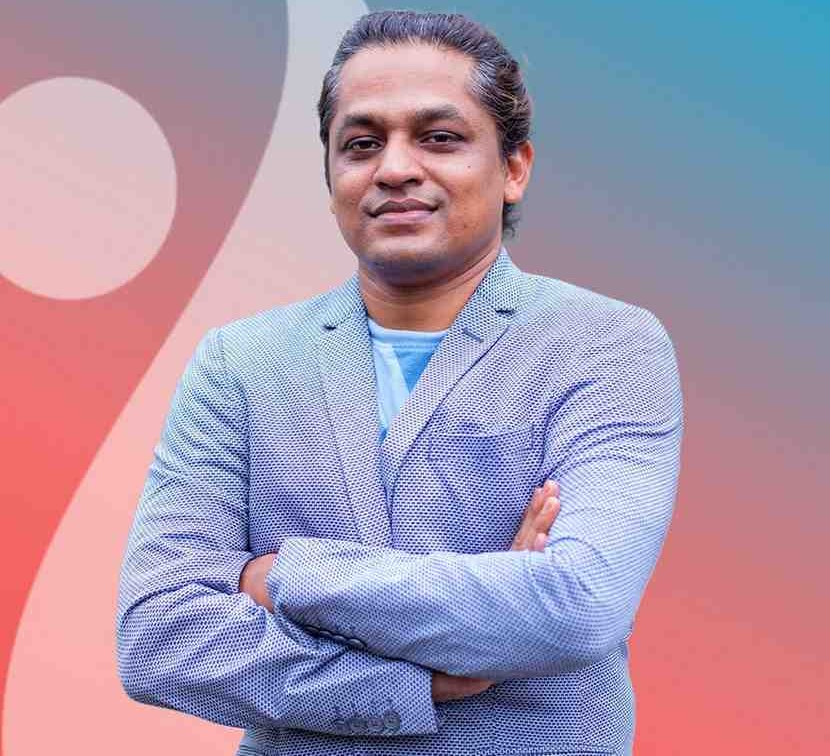
Dr. Prashant Dasud
Designation: M.D. (Psychiatry)
Experience: 14+
Illnesses:
Depression & Mood Disorders, Anxiety Disorders, Bipolar Disorder, Schizophrenia & Psychotic Disorders, OCD, Drug & Alcohol Addiction, Sleep Disorders
Geriatric Mental Health Issues

Dr. Santosh Pawar
Designation: M.D. (Radiodiagnosis)
Experience: 12+
Illnesses:
CT / MRI, Dementia & Memory Disorder, Neuro-radiological Evaluation, pine & Nerve Imaging,Head Injury & Neurological, Diagnostic Support for Mental Health
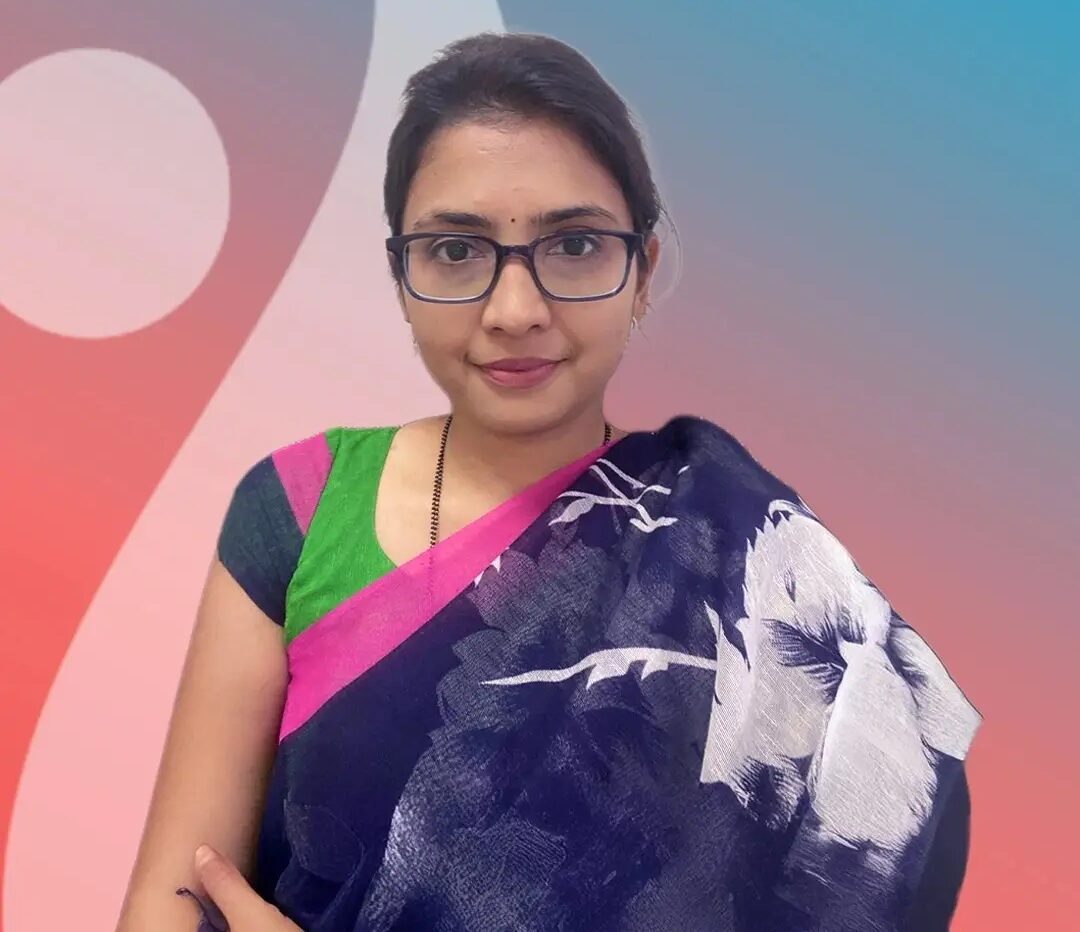
Dr. Neha Shetty
Designation: M.D. (Psychiatry)
Experience: 11+
Illnesses:
Depression, Anxiety Disorders, Bipolar Disorder, Schizophrenia & Psychosis, OCD, Drug Addiction,Mental Health Issues