Individual Counselling
Individual counselling is a private, one-on-one therapy session between a patient and a trained counsellor or psychologist. It gives a safe space to talk openly, understand triggers and build practical coping skills. At Calida Rehab, individual counselling is part of every treatment plan at our Pune centre and our Mumbai Region – Karjat centre. It supports people living with addiction, anxiety, depression and the effects of trauma.
- Best for: addiction, anxiety, depression, trauma-related stress and difficulty coping
- Approach: private one-on-one sessions, alongside medical care when the treating doctor finds it appropriate
- Methods used: CBT, motivational enhancement, relapse prevention, DBT skills, trauma-informed counselling
- Format: assessment, goal setting, regular sessions, progress review, aftercare planning
- Where: Pune centre and Mumbai Region – Karjat centre
- Last updated: October 2026
What Is Individual Counselling?
Individual counselling is a form of talk therapy in which one patient meets one trained professional in a private, confidential setting. Unlike group sessions, the whole hour is focused on the patient’s own thoughts, feelings, triggers and goals. The counsellor listens without judgement, asks careful questions and teaches skills that can be used in daily life.
In addiction care, sessions look at why substance use started, what keeps it going and which situations or emotions set off cravings. In mental health care, sessions help the person understand symptoms of anxiety, low mood or stress and respond to them in healthier ways.
Counselling is tailored to each person. The plan is set after a full clinical assessment and is based on the patient’s history, symptoms, readiness for change and recovery goals.
Why Individual Counselling Is Important
Many people find it hard to speak openly in front of others, especially about shame, guilt, family conflict or painful memories. One-on-one sessions give them time and privacy to do this at their own pace, which builds trust with the care team.
Medicines and detoxification can manage the body, but lasting recovery also needs changes in thinking, habits and coping. Individual counselling is where these changes are planned and practised, which is why our team uses it together with medical care, group work and family support. You can also read our guide on one-on-one counselling for drug and alcohol addiction.
How Individual Counselling Works
Individual counselling follows a clear structure, and the pace is set with the patient. The first sessions focus on trust and understanding the problem. Skills and change come step by step after that.
Typical stages of care
- Assessment: symptoms, history, substance use, safety and any co-occurring anxiety or depression are reviewed, and a personal plan is made.
- Goal setting: the patient and counsellor agree on clear, realistic goals for recovery and daily life.
- Regular sessions: triggers, thoughts and emotions are explored, and coping and problem-solving skills are practised.
- Review: progress is tracked with the wider team, and the plan is adjusted by the treating doctor and counsellor when needed.
- Aftercare: relapse prevention is planned, family support is arranged and follow-up counselling is set up.
Recovery takes time and differs for every person. Many patients feel more understood and in control within the first few weeks, while lasting change usually takes several months of regular sessions and follow-up.
Conditions We Treat with Individual Counselling
Individual counselling at Calida Rehab is offered at our Mumbai and Pune centres for people dealing with:
Alcohol and Drug Addiction
Sessions help patients understand triggers, manage cravings, repair damaged relationships and build a life without substances. Counselling is combined with medical care such as detoxification and with relapse prevention. See our pages on alcohol addiction treatment and drug addiction treatment.
Anxiety, Depression and Stress
Counselling helps people recognise unhelpful thinking, manage worry and low mood, and return to work and family life. It is combined with medical review for anxiety disorders and depression when needed.
Trauma and Emotional Pain
For people whose distress is linked to painful past events, counselling offers safety and support first. Where needed, it is combined with specialised trauma therapy.
Benefits of Individual Counselling
Individual counselling gives people a steady, private place to work on their recovery. Many patients notice gains as sessions continue.
Key advantages
- Complete privacy and confidentiality
- Care focused on the patient’s own triggers and goals
- Better understanding of thoughts, feelings and urges
- Stronger coping skills in place of alcohol or drugs
- Less anxiety and better emotional control
- Improved motivation to stay in treatment
- Lower risk of relapse
- Better communication with family and loved ones
Results vary from person to person, and they are strongest when sessions are regular and supported by the family and the clinical team.
Common Individual Counselling Approaches
The approach depends on the person’s symptoms, history and readiness. The counsellor chooses one method or a combination of methods. Here are the most common ones:
Cognitive Behavioural Therapy (CBT)
CBT helps patients notice the link between thoughts, feelings and behaviour. It replaces unhelpful thinking patterns with practical responses to cravings, worry and low mood.
Motivational Enhancement
This approach helps people who feel unsure about change. The counsellor explores the patient’s own reasons to recover and strengthens the will to act. Read more on our motivational interviewing page.
Relapse Prevention Counselling
Patients learn to spot high-risk situations and early warning signs, and to make a plan for them. See our page on relapse prevention therapy.
Dialectical Behavioural Therapy (DBT) Skills
Skills for managing strong emotions, tolerating distress and improving relationships are taught one-on-one where the treating team finds them suitable. Learn more about DBT.
Trauma-Informed Counselling
Sessions are paced for safety, so that painful topics are never forced. Specialised treatment is added when needed.
Counselling should be done by a trained professional. Always ask about training before you start, and never begin or stop any medicine without your doctor’s advice.
Myths vs Facts About Individual Counselling
Many people delay counselling because of fear and misunderstanding. Knowing the facts helps in making an informed decision.
| Myth | Fact |
|---|---|
| Counselling is only for people who cannot cope. | Counselling is a normal part of treatment for addiction and mental health conditions. Seeking help is a sign of strength. |
| Talking to a friend is the same as counselling. | Friends can support, but a counsellor is trained to find triggers, teach skills and guide change in a structured way. |
| Counselling alone cures addiction. | Counselling is one key part of recovery. Many patients also need medical care, group support and family involvement. |
| The counsellor will judge me or tell my family everything. | Sessions are confidential and non-judgemental. Information is shared only as allowed by law and your consent. |
| If I feel better, I can stop sessions. | Early relief is common, but regular sessions and aftercare help lock in gains and lower the risk of relapse. |
Key Features of a Good Individual Counselling Program
Many centres offer counselling, but good care needs trained professionals and a safe setting. A good individual counselling programme has these features:
- Led by qualified psychiatrists, psychologists and trained counsellors
- Full clinical assessment and an individual treatment plan
- Private, confidential sessions in a comfortable room
- Evidence-based methods such as CBT and motivational enhancement
- Joined-up care for co-occurring addiction, anxiety or depression
- Doctor-supervised medication review when needed
- 24/7 clinical support
- Family involvement and education
- Relapse prevention and aftercare planning
- Group therapy, yoga and healthy routines alongside counselling
Recovery touches many parts of life, so combining one-on-one counselling with other therapies helps it last. Not sure who to see first? Read our guide on psychiatrist vs psychologist vs counsellor.
Individual Counselling Centres in Mumbai and Pune
Calida Rehab has centres in Karjat (Mumbai region) and Pune. Here is how you can get in touch:
Individual Counselling in Mumbai Region – Karjat Location
Calida Rehabilitation Centre, Karjat, Mumbai, De-addiction Centre with Complete Rehab Facility
55/1/A, Tata Road, Village: Bhaliwadi, Post: Goulwadi, Tal. Karjat, District: Raigad, Maharashtra 410201
Karjat Branch: +91 845 294 0789
Individual Counselling in Pune Location
Calida Rehabilitation Centre Pune
Survey No 137/3/4, Bhagwati Complex, near Baner, Bhagwati Nagar, Parkhe Vasti, Sus, Pune, Maharashtra 411021
Pune Branch: +91 7499174304
Email: calidarehab@gmail.com
How to Choose the Right Individual Counselling Centre
Choosing the right facility plays an important role in recovery. Here are the steps to follow:
- Make a list of reputed centres offering individual counselling in nearby locations.
- Check that the counsellors and psychologists are licensed and trained in methods such as CBT and motivational enhancement.
- Ask whether psychiatrists, psychologists and counsellors work together as one team.
- Check that the centre can treat co-occurring addiction, anxiety or depression at the same time.
- Ask how privacy and confidentiality are protected.
- Ask about family involvement, relapse prevention and aftercare support.
- Finally, look for real reviews and speak to families who have used the service.
Understanding the therapies used in rehab can also help families understand treatment decisions and expectations.
Medical Information Note
This page is for information and is not a substitute for medical advice. Counselling and any medicines are provided only by qualified professionals after a clinical assessment. If you or someone you know is in immediate danger or thinking of self-harm, call 112 or the Tele-MANAS helpline on 14416 right away.
Take the First Step - Contact Calida Rehab
You do not have to work through addiction or emotional pain alone. With a trained counsellor beside you, patterns can change and healthier ways of coping can take their place. At Calida Rehab, individual counselling is delivered with care for the whole person, including sleep, nutrition, mindfulness and family support.
If you or a loved one needs a private place to talk and a clear plan to recover, speak to our team and book an appointment today.
Related pages
One-on-One Counselling for Addiction | Cognitive Behavioral Therapy | Motivational Interviewing | Relapse Prevention Therapy | Group Therapy | Family Therapy | Trauma Therapy | Therapies in Rehab
Where we offer it (Pune and the Mumbai region)
Rehabilitation Centre in Pune | Rehabilitation Centre in Mumbai
10K +
Patients Serviced with Complete Care
NABH
Guidelines Compliant
170 +
Beds Capacity
24/7
Residential Staff
Call our 24-hour free confidential helpline.
Treatments
Therapies
Individual Counselling at Calida Rehab - FAQs
What is individual counselling?
Individual counselling is a private, one-on-one therapy session with a trained counsellor or psychologist to understand triggers, manage emotions and build coping skills.
Is individual counselling effective for addiction?
Yes. Counselling methods such as CBT and motivational enhancement are widely used in addiction care. Results are best when sessions are regular and combined with medical care, group support and family involvement.
Is what I say in counselling kept confidential?
Yes. Sessions are private and non-judgemental. Information is shared only as allowed by law and with your consent, except where safety is at risk.
How long does individual counselling take?
It varies by person. Many patients feel more understood within a few weeks, while lasting change usually takes several months of regular sessions and follow-up.
How is individual counselling different from group therapy?
Individual counselling is one-on-one and focused on your own needs and goals. Group therapy involves peers and a clinician, and the two work well together.
Do I need medication along with counselling?
Not always. A doctor decides after a clinical assessment. Some people need medicine for withdrawal, anxiety or depression, while others do well with counselling alone.
What Patients and Families Say About Calida Rehab
Read what people have shared about their experience with our team.
Experts Who Will Guide Your Recovery
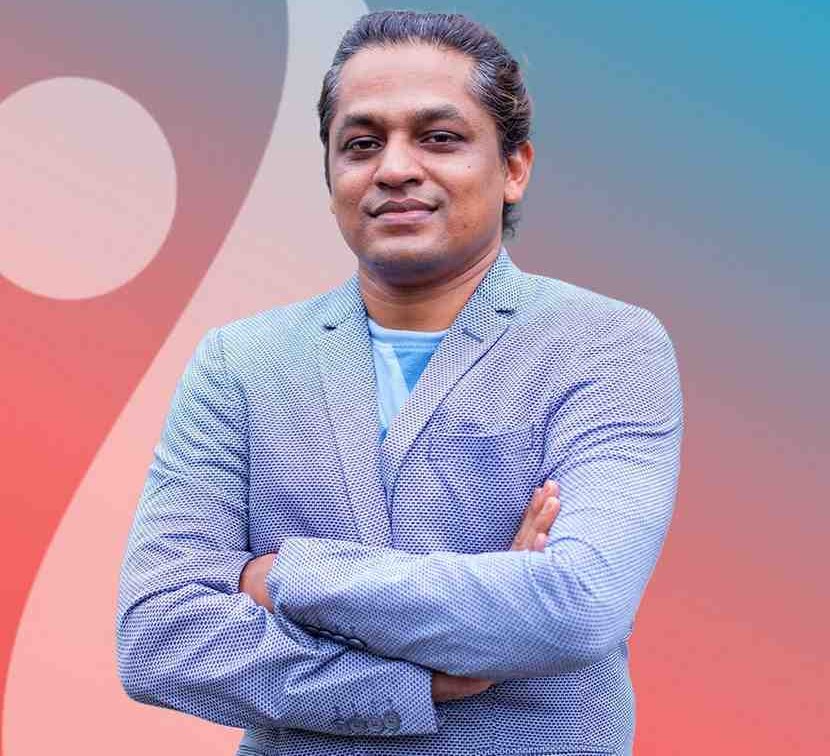
Dr. Prashant Dasud
Designation: M.D. (Psychiatry)
Experience: 14+
Illnesses:
Depression & Mood Disorders, Anxiety Disorders, Bipolar Disorder, Schizophrenia & Psychotic Disorders, OCD, Drug & Alcohol Addiction, Sleep Disorders
Geriatric Mental Health Issues

Dr. Santosh Pawar
Designation: M.D. (Radiodiagnosis)
Experience: 12+
Illnesses:
CT / MRI, Dementia & Memory Disorder, Neuro-radiological Evaluation, pine & Nerve Imaging,Head Injury & Neurological, Diagnostic Support for Mental Health
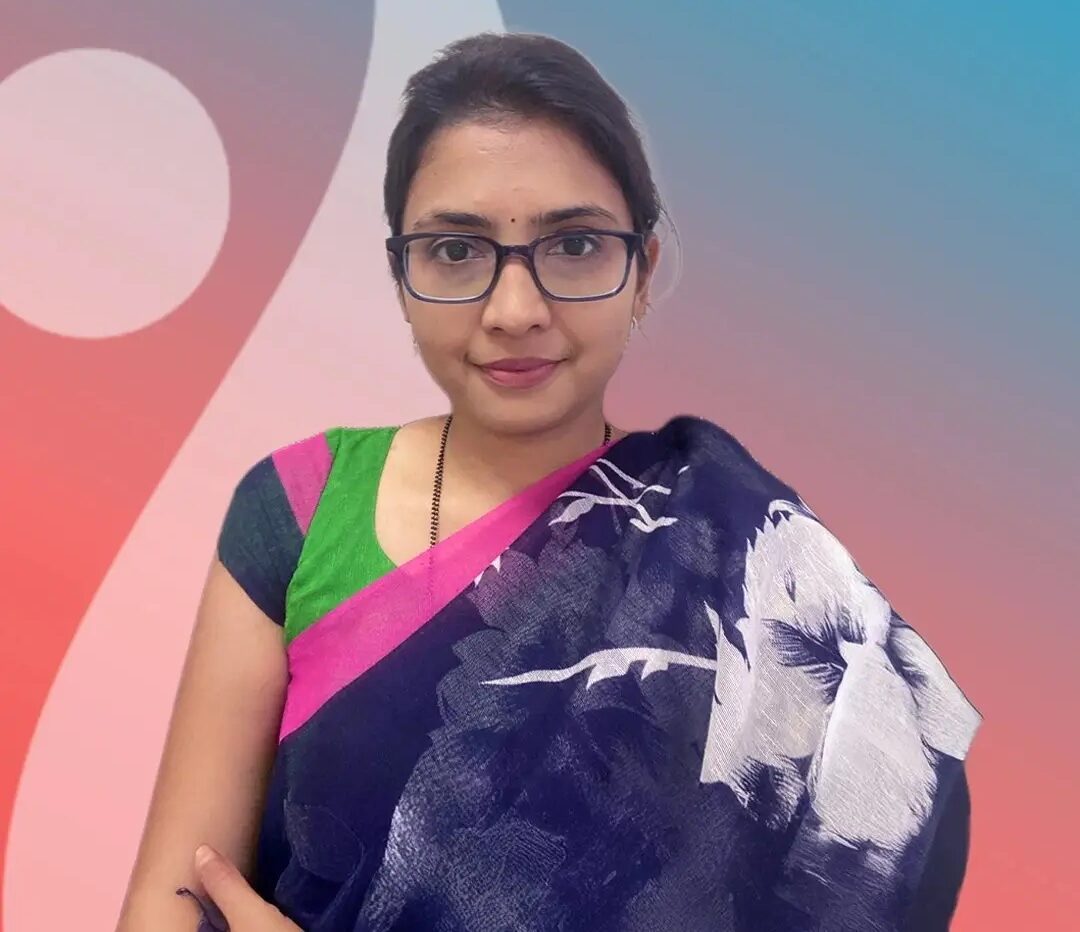
Dr. Neha Shetty
Designation: M.D. (Psychiatry)
Experience: 11+
Illnesses:
Depression, Anxiety Disorders, Bipolar Disorder, Schizophrenia & Psychosis, OCD, Drug Addiction,Mental Health Issues