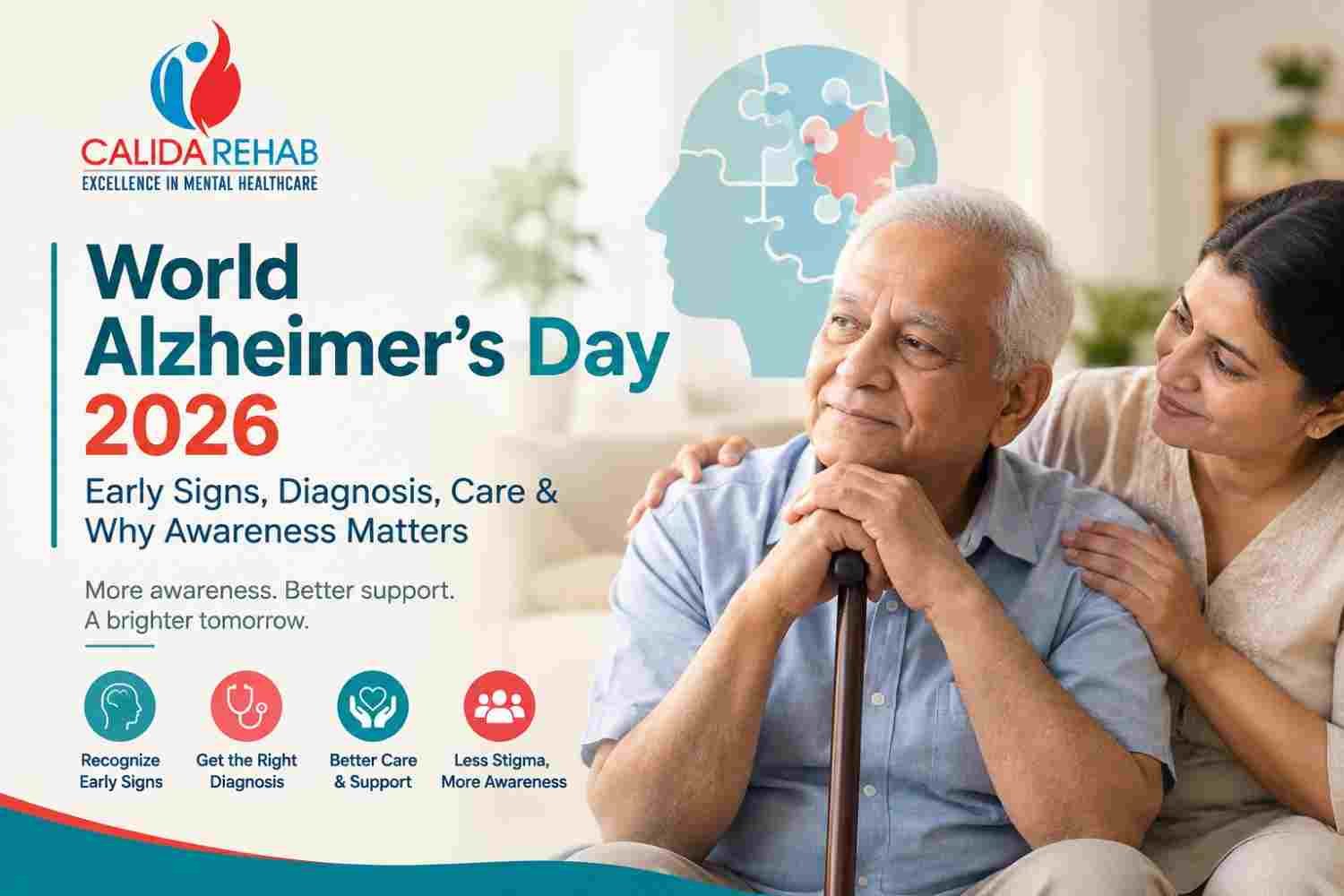

Every year on 21 September, World Alzheimer’s Day brings global attention to Alzheimer’s disease and other forms of dementia. The day is an opportunity to understand the condition, recognize possible warning signs, reduce stigma and encourage families to seek appropriate medical guidance when changes in memory, thinking or behaviour become noticeable.
World Alzheimer’s Day is part of World Alzheimer’s Month, observed every September by Alzheimer’s Disease International (ADI). For 2026, the campaign is focusing on the importance of early diagnosis with the message: “The Earlier You Know, The More You Can Do: A Dementia Diagnosis Matters.”
This focus is particularly important because dementia is not simply a normal part of getting older. According to the World Health Organization (WHO), around 57 million people were living with dementia globally in 2021, with nearly 10 million new cases occurring each year. Alzheimer’s disease is the most common form of dementia and may account for approximately 60–70% of cases.
What Is World Alzheimer’s Day?
World Alzheimer’s Day is observed every year on 21 September to raise awareness about Alzheimer’s disease and other forms of dementia.
The day encourages individuals, families, healthcare professionals and organizations to talk more openly about dementia and its impact. It also helps challenge misconceptions and stigma surrounding memory loss and cognitive decline.
World Alzheimer’s Day was established in 1994, while World Alzheimer’s Month was introduced in 2012 to extend dementia awareness activities throughout September.
For families, the message is simple: persistent changes in memory, thinking, communication or behaviour deserve attention rather than being automatically dismissed as normal ageing.
Why Is Alzheimer’s Awareness Important?
Alzheimer’s disease can affect memory, reasoning, communication, behaviour and a person’s ability to manage everyday activities.
The impact extends beyond the individual. Families and caregivers may also experience emotional, practical and financial challenges as the condition progresses. WHO notes that dementia can create substantial needs for care and support, particularly in the later stages.
Awareness can help families:
- Recognize possible early warning signs
- Seek medical evaluation sooner
- Understand what dementia actually means
- Plan for future care and support
- Communicate more effectively with a loved one
- Learn how to manage changing behaviours
- Reduce stigma around cognitive disorders
- Find appropriate professional and community support
Early awareness does not mean that every memory lapse is Alzheimer’s disease. It means that persistent or concerning changes should be discussed with an appropriate healthcare professional.
What Are the Early Signs of Alzheimer’s Disease?
Alzheimer’s disease can develop gradually, and symptoms may vary from person to person.
Some possible early signs include:
1. Frequent Memory Problems
A person may repeatedly forget recently learned information, conversations or events.
Occasionally forgetting something is common. However, repeated memory problems that interfere with everyday life deserve medical attention.
2. Difficulty Performing Familiar Tasks
Someone may begin struggling with tasks they previously handled comfortably, such as following a familiar routine, preparing a regular meal or managing everyday activities.
3. Confusion About Time or Place
Getting confused about dates, losing track of time or becoming disoriented in familiar surroundings can occur with dementia.
4. Difficulty Finding Words
A person may increasingly struggle to follow conversations or find the right words when communicating.
5. Misplacing Objects
Frequently placing everyday items in unusual locations and being unable to retrace one’s steps may be another warning sign.
6. Changes in Mood or Behaviour
Alzheimer’s and other dementias can be associated with changes in mood, personality, motivation or behaviour. WHO notes that behavioural and psychological changes can sometimes occur alongside or even before prominent memory problems.
7. Withdrawal From Social Activities
A person may gradually lose interest in hobbies, conversations, work or social activities they previously enjoyed.
It is important to remember that these symptoms can have multiple causes. A medical evaluation is necessary to determine what may be contributing to cognitive changes.
Alzheimer’s Disease vs Normal Ageing
One of the most common misconceptions about dementia is that significant cognitive decline is simply a normal consequence of ageing.
Ageing can involve occasional forgetfulness. However, dementia involves a level of cognitive impairment that affects daily functioning. WHO specifically states that dementia is not an inevitable part of ageing.
For example:
Occasional forgetfulness:
Someone forgets where they placed their keys but eventually remembers or retraces their steps.
Potential warning sign:
Someone repeatedly puts important objects in unusual places and cannot remember where they placed them.
The distinction is not a diagnosis. Persistent changes should be evaluated by a qualified healthcare professional.
Why Early Diagnosis Matters
Early diagnosis can help families understand what is happening and plan appropriate care.
According to WHO, diagnosis is an important first step toward accessing dementia-related health and social care services. A person-centred approach can include medical care, psychosocial support, community services, long-term care and support for family caregivers.
An evaluation may also help healthcare professionals identify other possible causes of cognitive symptoms.
This is important because memory and concentration problems can occur for several reasons. A professional assessment can help determine the appropriate next steps rather than assuming that every symptom is caused by Alzheimer’s disease.
How Is Alzheimer’s Disease Diagnosed?
There is no single symptom that confirms Alzheimer’s disease.
A healthcare professional may consider:
- Medical and family history
- Changes in memory and thinking
- Behavioural changes
- Daily functioning
- Cognitive assessments
- Physical and neurological evaluation
- Other relevant medical investigations
WHO guidance emphasizes the importance of a detailed history, medical review and mental-state examination when assessing possible dementia, including evaluation for other causes of cognitive decline.
If you notice persistent cognitive or behavioural changes in a family member, discussing them with a qualified doctor is a more appropriate step than attempting to diagnose the condition at home.
Can Alzheimer’s Disease Be Cured?
At present, there is no universal cure for dementia.
However, that does not mean that nothing can be done.
WHO explains that dementia care can include rehabilitation, psychoeducation, physical activity, social engagement, cognitive stimulation and support for caregivers. Depending on the specific diagnosis and individual circumstances, healthcare professionals may also consider appropriate medications and other interventions.
The goal of care can therefore include supporting quality of life, maintaining functioning for as long as possible, addressing symptoms and helping families manage the changing needs of the person.
The Role of Rehabilitation and Supportive Care
Dementia care may involve several different forms of support rather than one single treatment.
Depending on an individual’s needs, a care plan may involve:
- Medical supervision
- Psychological support
- Cognitive stimulation
- Physical activity
- Occupational support
- Social engagement
- Structured daily routines
- Behavioural support
- Family and caregiver education
- Assistance with activities of daily living
WHO recommends person-centred and integrated approaches that take the preferences, needs and autonomy of people living with dementia into consideration.
Families looking for structured mental-health and rehabilitation support in Mumbai and Pune, may also explore a rehabilitation centre in Mumbai or a rehabilitation centre in Pune, depending on their location and the type of professional care required.
However, families should choose services based on the person’s individual diagnosis and care requirements. Dementia and Alzheimer’s care should be planned with appropriate medical professionals rather than treating the condition as a conventional addiction-rehabilitation problem.
How Families Can Support Someone With Alzheimer’s
Family support can make everyday life easier for a person living with dementia.
Some practical approaches include:
Maintain a Consistent Routine
A predictable daily routine can make activities easier to understand and may reduce confusion.
Communicate Clearly
Use simple language, allow enough time for responses and avoid unnecessarily complicated instructions.
Encourage Safe Physical Activity
Appropriate physical activity can support general health and wellbeing. The type and intensity should be suitable for the person’s age and medical condition.
Encourage Social Interaction
Meaningful conversations, familiar activities and appropriate social engagement can help maintain connection and reduce isolation.
Create a Safer Environment
As dementia progresses, changes in judgement, orientation and mobility can create safety concerns. Families may need to adapt the home environment accordingly.
Support the Caregiver Too
Caregivers can experience significant emotional and physical demands. Seeking professional guidance and sharing responsibilities can help families manage long-term care more sustainably.
Alzheimer’s Disease and Mental Health
Alzheimer’s disease does not only affect memory.
People living with dementia may also experience anxiety, sadness, irritability, withdrawal or behavioural changes. Families can sometimes find these changes difficult to understand, particularly when they appear gradually.
This is why dementia care often requires attention to both cognitive and emotional wellbeing.
WHO notes that dementia can have psychological, social and economic effects on people living with the condition as well as their families and caregivers.
What Can People Do on World Alzheimer’s Day?
World Alzheimer’s Day does not have to be limited to awareness campaigns.
Individuals and families can use the day to:
- Learn about Alzheimer’s disease and dementia
- Talk openly about memory and cognitive health
- Encourage appropriate medical evaluation when concerns arise
- Support dementia awareness initiatives
- Learn more about caregiver support
- Challenge myths surrounding dementia
- Spend meaningful time with older family members
- Share reliable information with friends and relatives
The objective is not to create fear around ageing or occasional forgetfulness. Instead, awareness should encourage informed conversations and timely access to appropriate care.
World Alzheimer’s Day 2026: The Importance of Acting Earlier
The 2026 World Alzheimer’s Month campaign places particular emphasis on early diagnosis. ADI’s message, “The Earlier You Know, The More You Can Do,” highlights how a diagnosis can help people and families access treatment, care and support options.
This year’s World Alzheimer Report, released on 21 September 2026, also focuses on a new era in dementia clinical trials, reflecting ongoing research into potential future approaches to diagnosis and treatment.
At the same time, families should remember that research developments do not replace individual medical evaluation. Every person’s symptoms, medical history and care needs are different.
Final Thoughts
World Alzheimer’s Day 2026 is a reminder that awareness can lead to earlier conversations, earlier evaluation and better-informed care decisions.
Alzheimer’s disease is more than a memory problem. It can affect thinking, communication, behaviour, independence and everyday life, while also placing significant responsibilities on family caregivers.
Recognizing concerning changes, seeking professional assessment and understanding available support can help families navigate the condition with greater knowledge and compassion.
This World Alzheimer’s Day, the most useful message is simple: don’t ignore persistent changes in memory or behaviour, and don’t assume that significant cognitive decline is simply a normal part of ageing.
Early awareness can open the door to appropriate diagnosis, care, support and planning.