
Searching for a “nasha mukti kendra near me” usually means one thing — someone you love has a drug or alcohol problem, and you need help right now. The trouble is, not every centre calling itself a nasha mukti kendra is licensed, medically supervised, or even safe.
This guide breaks down exactly what a nasha mukti kendra is, how government and private centres differ, what treatment actually costs in India, and the checklist you should use before admitting a family member anywhere.
Need Help Right Now? Talk to Our Team
Every hour matters when a loved one needs help. Call, WhatsApp, or email Calida Rehab for a confidential, no-obligation consultation on the right nasha mukti kendra for your situation. Call +91-8452940789 | WhatsApp Us |
What Is a Nasha Mukti Kendra?
A nasha mukti kendra (literally, “addiction-freedom centre”) is a de-addiction facility that treats dependency on alcohol, opioids, cannabis, tobacco, and other substances. In India, these centres range from government-run de-addiction wards inside district hospitals to private residential rehabilitation centres with psychiatrists, therapists, and structured aftercare.
A genuine nasha mukti kendra typically treats:
- Alcohol dependence and withdrawal
- Opioid addiction (brown sugar, heroin, and prescription opioids)
- Cannabis addiction (charas, ganja, weed)
- Tobacco and gutkha addiction
- Prescription drug and sedative misuse
Not every centre offers medical detox. Some are purely counselling-based; others run full residential programs with 24/7 psychiatric supervision. This difference matters more than most families realise when they’re searching in a panic.
Types of Nasha Mukti Kendra in India
| Type | Cost | Medical Supervision | Wait Time | Privacy |
|---|---|---|---|---|
| Government-run | Free or heavily subsidised | Varies — often limited staff | Can be long (weeks) | Low — shared wards |
| NGO / Trust-run | Low-cost or donation-based | Basic, sometimes no psychiatrist on-site | Moderate | Moderate |
| Private rehabilitation centre | ₹15,000–₹1,00,000+/month | Full-time psychiatrist, nursing staff | Usually immediate | High — private rooms available |
Government centres are a legitimate, low-cost option, especially under India’s National Mental Health Programme, but capacity is limited and quality varies by state. Private centres cost more but generally offer faster admission, individualised treatment plans, and continuous medical monitoring — which matters most in the first, most dangerous days of withdrawal.
If you’re based in Maharashtra, costs, wait times, and facilities can vary quite a bit by city. See our dedicated guides to the de-addiction centre in Pune and the de-addiction centre in Mumbai for centre-specific admission process, pricing, and facility details.
How to Choose the Right Nasha Mukti Kendra Near You
Before you admit anyone, verify these five things. Skipping this step is how families end up at unlicensed, unsafe facilities.
1. License and accreditation Ask directly whether the centre is registered under the Mental Healthcare Act, 2017, and licensed by the state health department. A legitimate centre will show you this without hesitation.
2. Doctor and psychiatrist availability Detox from alcohol or opioids can be medically dangerous. Confirm there’s a qualified psychiatrist or physician on-site or on-call 24/7 — not just counsellors.
3. Detox, therapy, and aftercare — all three, not just one A real recovery program includes medical detox, individual and group therapy (often CBT), and a relapse-prevention or aftercare plan. Centres offering only “detox and discharge” have poor long-term outcomes.
4. Location and family visitation access Family involvement improves recovery outcomes. Choose a centre where visits, calls, or family therapy sessions are actually permitted — some unregulated centres isolate patients entirely, which is a red flag on its own.
5. Reviews and verifiable outcomes Look past the star rating. Read what specific families say about staff behaviour, medical care, and how relapse was handled — not just the facility’s amenities.
Nasha Mukti Kendra vs De-Addiction Centre vs Rehab: Same or Different?
These terms are used almost interchangeably in India, but there are subtle differences worth knowing before you search further.
| Term | What It Usually Means |
|---|---|
| Nasha Mukti Kendra | Common Hindi/regional term for any de-addiction facility, government or private |
| De-Addiction Centre | More clinical term, usually implies structured medical treatment for substance use |
| Rehabilitation Centre (Rehab) | Broader term — may include addiction, but also covers mental health, trauma, and dual-diagnosis care |
If the person also has an underlying mental health condition alongside addiction — which is common — a full rehab centre equipped for dual diagnosis is usually the better fit than a facility that treats addiction alone.
Looking for a De-Addiction Centre in Pune or Mumbai?
Calida Rehab runs medically supervised, confidential de-addiction programs in both cities. If you’re comparing local options, our city guides break down the admission process, facilities, and pricing in detail — read the full guide to the de-addiction centre in Pune or the de-addiction centre in Mumbai to find the right fit near you.
Cost of Rehab in Nasha Mukti Kendra in India
Cost is the single biggest factor families ask about, and the honest answer is: it varies enormously by ownership type, location, and length of stay.
| Facility Type | Approximate Monthly Cost |
|---|---|
| Government nasha mukti kendra | Free – ₹5,000 (nominal charges) |
| NGO/trust-run centre | ₹5,000 – ₹20,000 |
| Private centre (standard) | ₹25,000 – ₹60,000 |
| Private centre (premium/luxury) | ₹60,000 – ₹1,50,000+ |
These figures cover accommodation, meals, medical supervision, and therapy sessions, but always ask for a full cost breakdown in writing — many centres don’t disclose the real total cost upfront, and hidden charges for medication or extended stays are common complaints.
What Happens Inside a Nasha Mukti Kendra?
Most structured programs follow a similar sequence, though the pace depends on the substance and severity of dependence:
- Medical assessment — history, physical exam, and screening for co-occurring mental health conditions
- Detoxification — medically supervised withdrawal management, typically the first 5–7 days
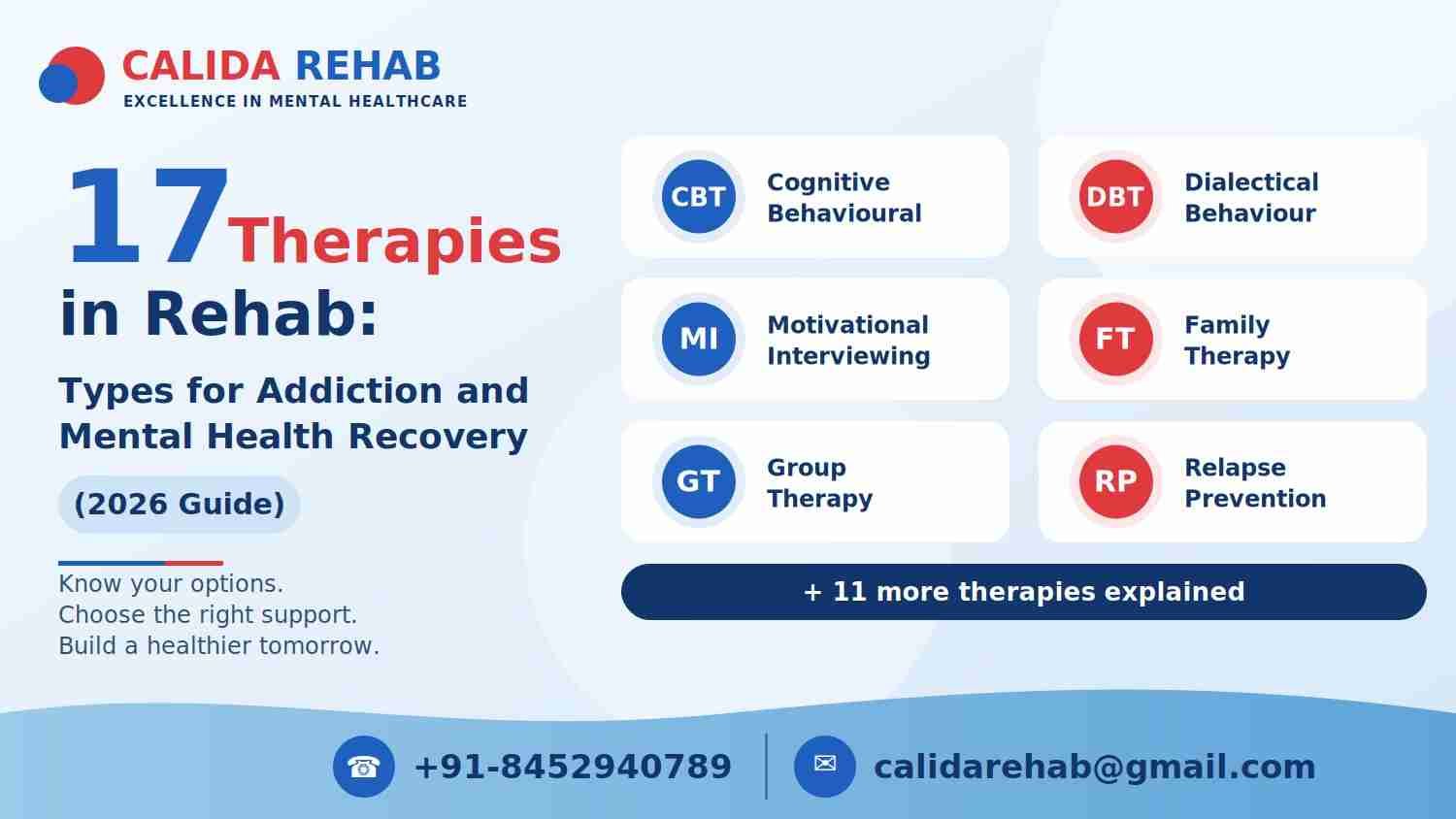
- Individual and group therapy — CBT, motivational interviewing, and peer support sessions
- Family counselling — sessions involving the patient’s family to rebuild trust and communication
- Relapse prevention planning — identifying triggers and building a concrete post-discharge plan
Programs typically run 28 to 90 days for residential treatment, with outpatient follow-up afterward.
Red Flags: When Not to Trust a Nasha Mukti Kendra
Unfortunately, India’s de-addiction space is loosely regulated in many states, and families under stress are vulnerable to bad actors. Watch for:
- No visible license or registration displayed or provided on request
- No doctor or psychiatrist — only “counsellors” or unqualified staff running the entire program
- Forced or coerced admission without the patient’s or family’s informed consent
- No family contact allowed during treatment, with vague justifications
- Physical restraint or punishment used as a “treatment method” — this is illegal and dangerous
- Pressure to pay large sums upfront in cash with no formal receipt or contract
If you notice even one of these, walk away and report the facility if possible.
Myths vs Facts About Nasha Mukti Kendras
| Myth | Fact |
|---|---|
| All nasha mukti kendras are the same | Quality, licensing, and medical supervision vary hugely between centres |
| Government centres are always low quality | Many government centres offer solid medical care, just with longer wait times |
| Detox alone is enough to “cure” addiction | Detox only manages withdrawal — therapy and aftercare are essential for lasting recovery |
| Family involvement isn’t necessary | Family therapy significantly improves long-term recovery outcomes |
| Higher cost always means better treatment | Some expensive centres lack proper medical staff — always verify credentials regardless of price |
Get Confidential Help Choosing the Right Centre
Not sure where to start? Our team can help you evaluate options, verify licensing, and find a nasha mukti kendra that truly fits your family’s needs — at no cost to you. Call +91-8452940789 | WhatsApp Us |
FAQs
Nasha mukti kendra kya hota hai?
Nasha mukti kendra ek de-addiction facility hai jo alcohol, drugs, ya tobacco ki lat se bahar nikalne mein madad karta hai — medical detox, therapy, aur counselling ke through.
Free nasha mukti kendra kaise milega?
Government-run de-addiction centres zyada tar district hospitals ya National Mental Health Programme ke under free ya nominal charge par available hote hain. Nearest government hospital ya state health department helpline se confirm kar sakte hain.
Government nasha mukti kendra list kahan milegi?
Har state ke health department ki official website par registered de-addiction centres ki list milti hai. NIMHANS aur Ministry of Social Justice & Empowerment ki site par bhi authorized centres listed hote hain.
Nasha mukti kendra mein kitne din rehna padta hai?
Zyada tar residential programs 28 se 90 din tak chalte hain, substance aur severity ke hisaab se. Outpatient follow-up uske baad continue hota hai.
Kya nasha mukti kendra mein family visit kar sakti hai?
Haan, ek legitimate centre mein family visits ya family therapy sessions allowed hote hain — agar koi centre isse pura mana kare, to yeh red flag hai.
Private aur government nasha mukti kendra mein kya fark hai?
Private centres mein faster admission, private rooms, aur zyada personalized care milta hai, lekin cost zyada hoti hai. Government centres free/subsidized hote hain lekin wait time aur resources limited ho sakte hain.