
The safest way to stop drinking alcohol depends on how much you drink and for how long. If you drink lightly or only now and then, you can usually stop on your own with a simple plan. If you drink every day, need a drink in the morning, or get shaky and sweaty when you miss a drink, do not stop suddenly. Your body has adapted to alcohol, and stopping without medical help can cause seizures and delirium tremens, which can be life-threatening.
This guide explains who can stop at home and who should not, what withdrawal looks like hour by hour, which medicines doctors use, and an eight-step plan you can start this week. It also covers how to say no when people push you to drink, and where to find help in Mumbai and Pune. It is written for education and does not replace a doctor’s advice. If someone has a seizure, confusion, hallucinations or a very fast heartbeat after stopping alcohol, call 108 or 112 straight away.
Last updated: October 2026.
Key Takeaways
- Heavy daily drinkers should not stop suddenly. Withdrawal seizures can happen within 6 to 48 hours, and delirium tremens usually starts 48 to 96 hours after the last drink.
- One doctor visit is usually enough to judge your risk. It involves a few questions about your drinking and simple blood tests.
- Doctors use medicines such as naltrexone, acamprosate and disulfiram to prevent relapse, and thiamine (vitamin B1) to protect the brain during detox. All of them need a prescription.
- Counselling matters as much as medicine. Cognitive behavioural therapy and relapse prevention work on the habits and triggers that bring cravings back.
- A slip is not the end. Tell someone, stop again and look at what set it off.
- Rehab is the better choice if you have failed attempts, withdrawal symptoms, an unsafe home, or depression or anxiety alongside drinking.
- Free help is available. Tele-MANAS (14416) offers 24×7 tele-counselling across India.
Why Is It So Hard to Stop Drinking?
Alcohol is the most widely used psychoactive substance in India. The national survey Magnitude of Substance Use in India found that about 14.6% of people aged 10 to 75, roughly 16 crore, drink alcohol. About 5.2% of Indians, or more than 5.7 crore people, have harmful or dependent alcohol use. Yet only 1 in 38 people with alcohol dependence reported getting any help. If you are struggling to stop, you are far from alone.
Willpower alone often fails because alcohol changes the brain. Regular drinking affects dopamine, the brain chemical linked to reward, and the brain slowly learns to depend on alcohol to feel normal. Our guides on how alcohol affects the brain and dopamine and addiction explain this in more detail. When alcohol is removed, the brain stays overactive for a while. That overactivity is withdrawal.
Is It Safe to Stop Drinking Alcohol Suddenly?
For some people yes, for others no. The table below is a guide, not a diagnosis. If you are not sure which row fits you, treat yourself as the higher-risk case and speak to a doctor first.
| Your situation | Safer route |
|---|---|
| Drink a few times a week, no shaking or sweating on days you skip | Usually fine to stop at home. Tell a family member and follow the plan below. |
| Drink every day for months or years | See a doctor before stopping. Medical detox is advised. |
| Need a drink in the morning, or get tremors, sweating or anxiety when you miss one | Medical detox. Do not stop suddenly. |
| Had a seizure, hallucinations or confusion during an earlier break from alcohol | Hospital or rehab-based detox only. |
| Have liver disease, heart problems, diabetes, epilepsy, or are pregnant | Doctor-supervised detox only. |
| Also take sleeping pills, tranquilisers or opioids | Medical detox only. Withdrawing from two sedating substances together is dangerous. |
Our article on alcohol dependence syndrome lists the early warning signs of dependence, and this guide to signs you need a rehab centre covers when drinking has crossed the line.
What Happens When You Stop: Alcohol Withdrawal Timeline
Timing differs from person to person. These are typical windows after the last drink for someone who drinks heavily.
| Time after last drink | What can happen |
|---|---|
| 6 to 12 hours | Tremor, sweating, anxiety, nausea, headache, trouble sleeping |
| 12 to 48 hours | Symptoms build. Some people see or hear things that are not there (alcoholic hallucinosis). |
| 6 to 48 hours | Withdrawal seizure window. The risk is highest around 24 hours. |
| 24 to 72 hours | Symptoms usually peak. Blood pressure and heart rate can rise. |
| 48 to 96 hours | Delirium tremens can begin: confusion, hallucinations, fever, very fast heartbeat. This is a medical emergency. |
| Day 5 onwards | Acute symptoms ease. Poor sleep, low mood, anxiety and cravings can continue for weeks. |
Delirium tremens is the most dangerous form of withdrawal. According to Harvard Health, it occurs in about 1 in 20 people who have withdrawal symptoms, and the safest place to be treated is a hospital. That is why the first three days matter most. In medical detox you are watched round the clock, given medicine to prevent seizures, and treated early if symptoms turn serious. For a full symptom list, read our guide to alcohol withdrawal symptoms and safe treatment.
How to Stop Drinking Alcohol: An 8-Step Plan
Step 1: See a doctor before your last drink
If you drink daily, book a visit with a doctor or psychiatrist first. They will ask how much you drink, for how long, and what happened when you tried to stop before. They may check your blood pressure, liver function and blood sugar, and many use a withdrawal scoring scale to judge your risk. This one visit decides whether you can detox at home or need supervised care.
Step 2: Set a clear goal and a date
Pick a stop date within the next one or two weeks and write it down. If you show signs of dependence, most doctors advise stopping completely rather than cutting down, because moderate drinking is very hard to hold once the brain has adapted. If your drinking is lighter, you may choose to cut down first. Decide this with your doctor, not alone.
Step 3: Choose where you will detox
- At home with a doctor: only for mild dependence, with a family member present and a doctor you can call at any hour.
- Day-care or outpatient detox: for mild to moderate dependence when you have a stable, supportive home.
- Residential detox: for moderate to severe dependence, past seizures, other illnesses, or when home is not a safe place to stop.
Step 4: Tell one trusted person
Choose one person who will not judge you, such as a spouse, sibling, friend or colleague. Tell them your stop date and what to watch for. Ask them to check in daily during the first week. Quitting alone is possible, but it is harder and less safe.
Step 5: Clear your space and plan around triggers
Remove alcohol from your home, car and office drawer. Do not keep a bottle for guests. Then list your top three triggers. Common ones are the evening after work, stress, arguments, office parties, cricket matches, weddings and friends who drink. For each trigger, write down what you will do instead. In India many triggers come with the social calendar, so look at the next three weeks and plan for each event.
Step 6: Ask about medicines
Medicines can cut cravings and lower the chance of relapse. Ask your doctor which one suits you. The options are listed in the next section.
Step 7: Start counselling or therapy
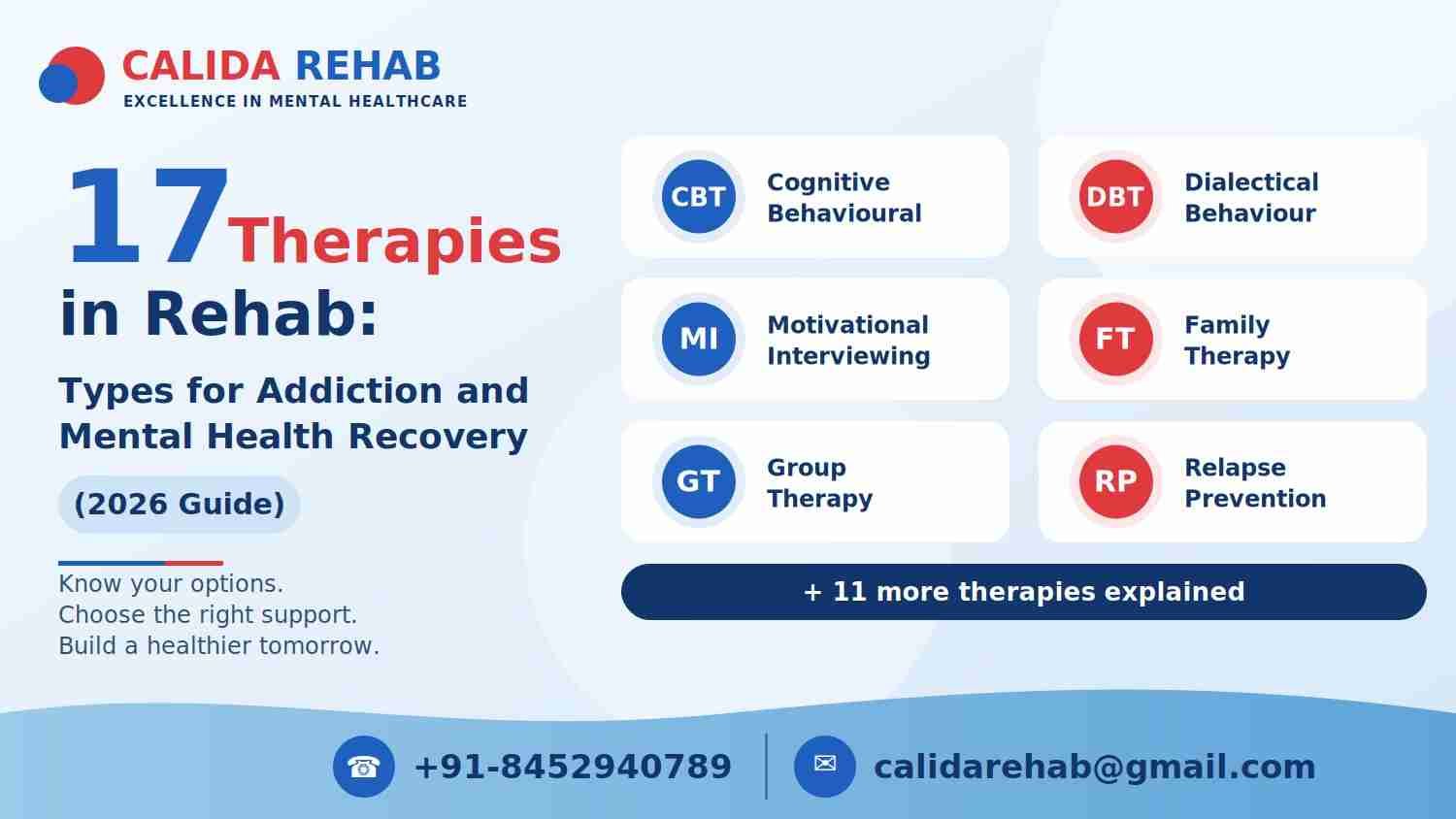
Medicine controls cravings. Therapy changes the habit. Common choices are cognitive behavioural therapy, motivational enhancement therapy and relapse prevention therapy. Group sessions and family counselling add support. Our guide to 17 evidence-based therapies used in rehab explains each one, and one-on-one counselling is often the best place to start.
Step 8: Rebuild your daily routine
Eat regular meals, drink plenty of water and keep a fixed sleep time. Fill the hour you used to drink with something set in stone, such as a walk, the gym, a call with family or a hobby class. Sleep is often poor for the first few weeks. Ask your doctor before using any sleeping pill, because many are habit-forming and can cause a second dependence.
Medicines Used to Stop Drinking Alcohol in India
These are prescription medicines. Do not start them on your own and do not buy them without a prescription.
- Benzodiazepines (during detox): calm the overactive nervous system and prevent seizures. They are used only under supervision and for a short course, because they can be habit-forming.
- Thiamine (vitamin B1): heavy drinking depletes it. Doctors give it, often by injection at first, to protect the brain from Wernicke’s encephalopathy, a serious brain condition.
- Naltrexone: reduces craving and the reward feeling from drinking. It is not suitable for people taking opioid painkillers, and your liver needs to be checked first.
- Acamprosate: helps the brain settle after detox and reduces the urge to start drinking again. It is started once you have stopped, and the dose depends on kidney function.
- Disulfiram: makes you feel very unwell if you drink, with flushing, palpitations and vomiting. It works only with your full knowledge and consent, and it must never be given secretly.
Avoid any product sold to be mixed secretly into someone’s food or tea. Secret dosing is unsafe and unethical, and such products may contain disulfiram, which can cause a dangerous reaction. Medicines work best when combined with counselling. Our guide to medication-assisted treatment in Mumbai and Pune explains how this fits into a treatment programme.
How to Say No When Someone Offers You a Drink
Social pressure is one of the biggest reasons people slip, especially in India where refusing a drink can feel awkward. A few short lines help:
- ‘No thanks, I’m not drinking right now.’ You do not need to explain more.
- ‘I’m on medication.’ This is true if your doctor has prescribed anything for cravings.
- ‘I’m driving tonight.’ Simple and rarely questioned.
A few habits also help. Hold a drink of your own, such as nimbu soda or a mocktail, so people stop offering. Arrive late and leave early. Go with a friend who knows your plan. Keep an exit ready. You do not owe anyone a long story.
What to Do If You Slip
A slip is one drink or one night. A relapse is a return to your old pattern. A slip can be stopped before it becomes a relapse, and many people need more than one attempt before the change holds.
- Stop again right away. Do not wait for Monday or the next month.
- Tell your doctor, counsellor or support person within a day.
- Write down what led to it: where you were, who was there, how you felt.
- If you drank heavily for several days, do not stop abruptly again. Withdrawal risk is back, so call your doctor first.
When Is Rehab the Better Choice?
Many people can stop with outpatient care. Rehab is the better choice when one or more of these apply:
- You have tried to stop before and could not.
- You get tremors, sweating, anxiety or sleeplessness when you skip drinking.
- Drinking is hurting your job, health, money or family life.
- Your home is not a safe or supportive place to quit.
- You also have depression, anxiety or another mental health condition. This is called dual diagnosis, and both need treating together. Our guide on abnormal psychology and dual diagnosis treatment explains why.
- You also use other drugs or sedatives.
Residential rehab gives you 24/7 medical supervision during detox, daily therapy and a break from triggers. To compare options, read rehab vs home recovery. For costs, see the real cost of rehab in India. If you wonder what the early days look like, the first week of rehab, day by day walks through it, and your rights under the Mental Healthcare Act 2017 are worth knowing before you choose a centre.
Help to Stop Drinking Alcohol in Mumbai and Pune
Calida Rehab runs psychiatrist-led programmes for alcohol and drug dependence. For families in Mumbai, the rehab centre in Mumbai offers consultation and admissions at Colaba, with residential treatment at Karjat under 24/7 medical supervision. The centre is registered with the Maharashtra State Mental Health Authority. If alcohol is the main concern, the alcohol rehab centre in Mumbai page explains the programme in detail.
In Pune, the rehabilitation centre in Pune serves families across the city, including those living near Baner. Programmes include medical detox, medication-assisted treatment, cognitive behavioural therapy, one-on-one counselling and relapse prevention. You can read more on the alcohol rehabilitation centre in Pune page.
A typical alcohol programme at Calida Rehab follows five stages:
- Medical and psychiatric assessment
- Medically supervised detox with 24/7 monitoring
- Medicines for cravings where needed
- Individual, group and family therapy
- Relapse prevention and follow-up after discharge
If you would like a confidential conversation before deciding, call +91-8452940789. If you only want to talk to someone first, Tele-MANAS on 14416 is free and open 24×7.
How Family and Friends Can Help
If someone you love is trying to stop, how you speak matters more than what you say.
- Talk when they are sober and calm, and use ‘I’ sentences such as ‘I am worried about your health’.
- Avoid shame, threats and ultimatums you will not keep.
- Learn that withdrawal can be dangerous, so do not push someone to stop suddenly on their own.
- Offer to go with them to the first appointment.
- Look after your own health and ask for support too.
If the person refuses help, read how to convince someone to go to rehab.
What Gets Better After You Stop
Many people notice better sleep, steadier mood and a clearer head within two to four weeks. Blood pressure often improves, and so do energy and appetite. Liver recovery takes longer and depends on how much damage is already there, so ask your doctor to track your blood tests. Money and relationships tend to improve too, though these take time and patience. Recovery is gradual, and small gains in the first month are a good sign.
Frequently Asked Questions
What is the safest way to stop drinking alcohol?
The safest way is to see a doctor first and then follow a planned stop. People who drink lightly can often stop at home with support. People who drink daily, or who shake or sweat when they miss a drink, should detox under medical supervision. Medicines for cravings and counselling then help you stay sober.
Can I stop drinking alcohol suddenly?
Only if you drink lightly and have never had withdrawal symptoms. If you drink heavily every day, stopping suddenly can cause seizures within 6 to 48 hours and delirium tremens after about 48 hours. Both are medical emergencies, so ask a doctor to supervise your detox instead of going cold turkey.
How long do alcohol cravings last?
Physical withdrawal symptoms usually settle within about a week, although poor sleep and low mood can last a few weeks. Cravings come in waves. A single craving usually passes within an hour if you do not act on it, and cravings grow weaker and rarer over the following months. Stress or parties can bring them back briefly, so keep your plan ready.
Which medicine helps to stop drinking in India?
Doctors commonly prescribe naltrexone, acamprosate or disulfiram to reduce relapse, and short-term benzodiazepines plus thiamine during detox. All need a prescription and medical follow-up. The right choice depends on your liver and kidney health, other medicines and your drinking pattern.
Can I taper alcohol slowly at home?
Tapering is sometimes used for light to moderate drinkers, but it is risky for heavy daily drinkers because withdrawal can start between drinks. Do it only with a doctor’s plan, a fixed schedule and a family member nearby. If you get tremors, sweating or confusion, get medical help immediately.
Do I need rehab to quit alcohol?
Not always. Rehab is advised when you have severe dependence, past seizures or delirium, repeated failed attempts, an unsupportive home, or a mental health condition alongside drinking. It offers supervised detox, daily therapy and distance from triggers.
Where can I get help to stop drinking alcohol in Mumbai or Pune?
Calida Rehab offers psychiatrist-led alcohol treatment in both cities, with a rehab centre in Mumbai (consultation in Colaba, residential care at Karjat) and a rehabilitation centre in Pune. You can also call Tele-MANAS on 14416 for free, 24×7 counselling.
What should I do if someone has a seizure after stopping alcohol?
Call 108 or 112 immediately. Lay the person on their side, keep hard objects away, do not put anything in their mouth and note the time the seizure started. A seizure after stopping alcohol is a medical emergency even if the person seems fine afterwards.
The Bottom Line
Stopping alcohol is possible, and the safest way is a planned one. Find out your risk, get medical help if you drink daily, use medicines and therapy to protect the change, and expect that a slip or two does not mean failure. If you want expert help, the team at Calida Rehab can assess you in Mumbai or Pune. Start with the rehab centre in Mumbai page or the rehabilitation centre in Pune page, or call +91-8452940789.