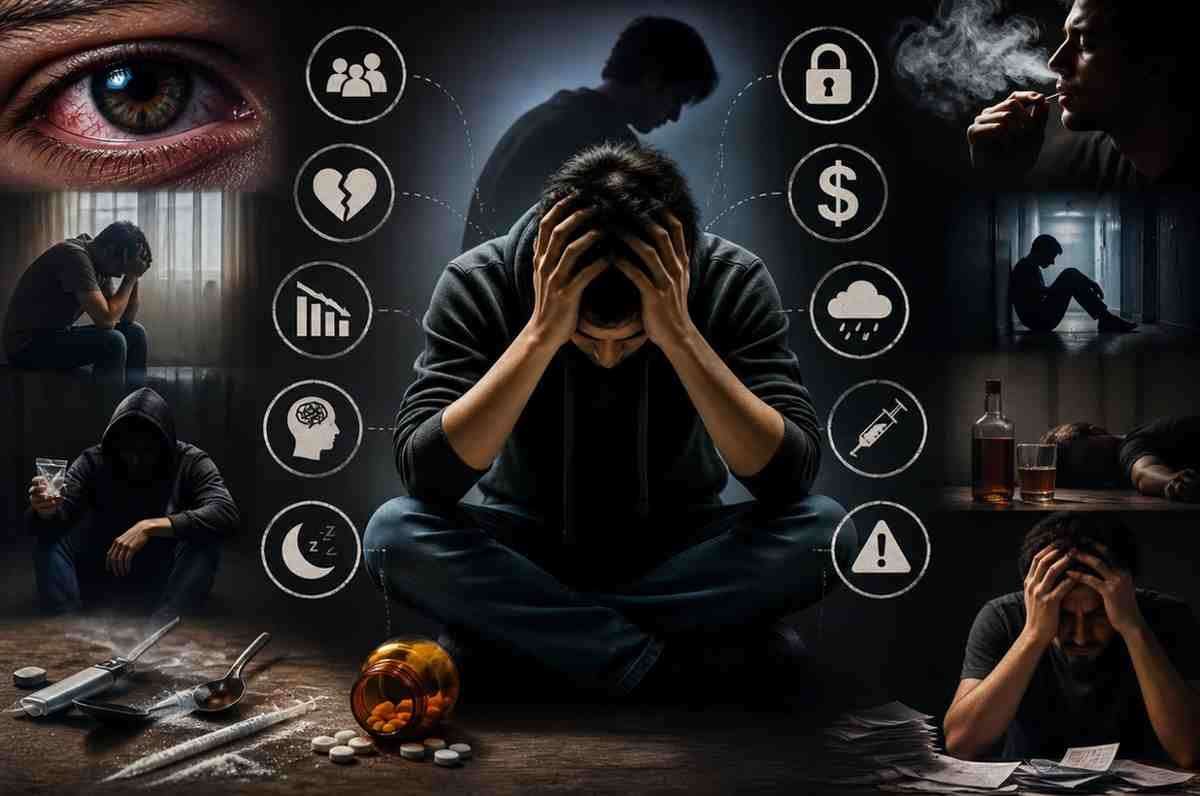

It’s not always easy to recognise when someone is struggling with substance abuse. Many people go to great lengths to hide their habits, making it difficult for family members, friends, or colleagues to see what’s really happening. Still, the warning signs are often present—just more subtle than expected. Understanding hidden drug addiction signs and noticing behavioural changes in drug abuse can help you identify the issue early and take timely action.
According to the Ministry of Social Justice and Empowerment, substance abuse remains a major public health concern in India, with over 16 crore people consuming alcohol, 3.1 crore using cannabis, and 2.26 crore using opioids.
While government initiatives continue to raise awareness and provide large-scale support, private rehabilitation centres also play a crucial role in addressing substance abuse. Centres like Calida Rehab contribute significantly by offering structured treatment programs, evidence-based therapies, and long-term recovery support tailored to individual needs.
This blog will help you to identify the most important warning signs—physical, emotional, and behavioral—so you can spot drug use even when it’s being concealed.
Why People Hide Drug Use
Before identifying the signs, it’s important to understand why people hide addiction:
- Fear of judgment or rejection
- Shame or guilt
- Desire to maintain control or independence
- Professional or social consequences
- Denial of the problem
Because of this secrecy, you’ll rarely find one obvious sign. Instead, it’s a pattern of changes that tells the real story.
Top 18 Behavioural Changes in Drug Abuse
One of the strongest indicators of substance misuse is a shift in behaviour. These changes may seem small at first, but they become more noticeable over time.
1. Sudden Personality Changes
A person may behave very differently than usual:
- Calm individuals becoming aggressive or irritable
- Social people are becoming withdrawn
- Responsible individuals acting impulsively
These behavioural changes in drug abuse often depend on the substance being used. For example, stimulants may cause hyperactivity, while depressants may lead to lethargy.
2. Increased Secrecy and Isolation
If someone starts hiding things or avoiding interactions, it could be a red flag:
- Locking doors more often
- Taking phone calls in private
- Avoiding family gatherings
- Spending long hours alone
Secrecy is one of the most common hidden drug addiction signs.
3. Changes in Daily Routine
Drug use disrupts normal routines:
- Irregular sleep patterns
- Skipping meals or overeating
- Missing work or school
- Lack of interest in hobbies
A once-disciplined person suddenly becoming inconsistent is worth noticing.
4. Financial Problems Without Explanation
Addiction can be expensive. Watch for:
- Frequent borrowing of money
- Missing valuables at home
- Unexplained expenses
- Sudden financial stress
If money issues appear without a clear reason, it may indicate substance use.
5. Risky or Unusual Behaviour
People under the influence often make poor decisions:
- Driving recklessly
- Engaging in unsafe activities
- Legal troubles
- Breaking personal boundaries
These behaviours are strong indicators of deeper issues.
Physical Signs of Hidden Drug Use
Even when someone tries to hide addiction, their body often reveals the truth.
6. Changes in Appearance
Look for noticeable physical decline:
- Poor hygiene
- Sudden weight loss or gain
- Unkempt clothing
- Neglect of personal care
These changes often occur gradually but become obvious over time.
7. Eye and Skin Changes
Different substances affect the body in visible ways:
- Red or bloodshot eyes
- Dilated or constricted pupils
- Dark circles
- Skin sores or marks
These are classic hidden drug addiction signs that are hard to fake.
8. Unusual Smells
Certain substances leave distinct odours:
- Smoke or chemical smells on clothes
- Sweet or burnt scents
- Alcohol-like smell at odd times
Frequent unexplained smells can signal drug use.
9. Changes in Energy Levels
Energy fluctuations are a major indicator:
- Sudden bursts of energy
- Extreme fatigue
- Sleeping too much or too little
These shifts reflect how drugs impact the nervous system.
Emotional and Psychological Warning Signs
Addiction doesn’t just affect the body—it deeply impacts mental health.
10. Mood Swings
Frequent emotional changes are common:
- Happiness followed by anger
- Anxiety or paranoia
- Depression without a clear cause
These mood swings often align with drug use cycles.
11. Loss of Motivation
A person may lose interest in goals or responsibilities:
- Ignoring work or studies
- Lack of ambition
- Procrastination
This is one of the most overlooked behavioural changes in drug abuse.
12. Increased Anxiety or Paranoia
Some drugs trigger intense mental reactions:
- Fear without reason
- Suspicion of others
- Overthinking small issues
These symptoms can escalate quickly if ignored.
Social and Relationship Changes
Drug use often damages relationships.
13. New Friend Circles
A sudden shift in social groups can be telling:
- Hanging out with unfamiliar people
- Avoiding old friends
- Spending time with individuals who encourage risky behaviour
This change often supports addictive habits.
14. Conflicts and Arguments
Increased tension with others is common:
- Frequent fights
- Defensive behavior
- Blaming others
Addiction often creates emotional instability.
15. Withdrawal from Family
One of the clearest hidden drug addiction signs is emotional distancing:
- Avoiding conversations
- Lack of communication
- Ignoring responsibilities at home
Environmental Clues You Shouldn’t Ignore
Sometimes, the surroundings provide direct evidence.
16. Drug Paraphernalia
Look for unusual items like:
- Rolling papers
- Burnt spoons
- Small plastic bags
- Syringes
Even if hidden, these items often appear unintentionally.
17. Frequent Bathroom Visits
Spending long periods in private spaces can indicate usage:
- Locking doors
- Running water frequently
- Unusual bathroom habits
18. Strange Sleeping Patterns
Drug use disrupts natural sleep:
- Staying awake all night
- Sleeping excessively during the day
- Irregular cycles
When Should You Be Concerned?
One or two signs alone don’t confirm drug use. But if you notice:
- Multiple behavioural changes
- Physical symptoms
- Emotional instability
…it’s time to take the situation seriously.
Patterns matter more than isolated incidents.
What You Should Do If You Suspect Drug Use
Recognising the signs is just the first step. Handling the situation correctly is crucial.
1. Avoid Immediate Confrontation
Accusing someone directly may lead to denial or aggression. Instead:
- Stay calm
- Observe patterns
- Choose the right moment
2. Start a Supportive Conversation
Approach with concern, not judgment:
- Use “I” statements
- Express care and worry
- Avoid blaming language
3. Encourage Professional Help
Addiction is not just a habit—it’s a condition that often requires treatment. Suggest:
- Counseling
- Therapy
- Rehabilitation programs
4. Set Boundaries
While supporting someone, protect yourself:
- Avoid enabling behavior
- Be clear about limits
- Prioritize safety
If you’re noticing these signs in someone close to you, seeking help from a professional rehabilitation centre can make a life-changing difference. Facilities like Calida Rehab in Mumbai and Pune provide structured support and personalised recovery programs tailored to individual needs.
Conclusion
Recognising hidden drug addiction signs isn’t always easy, especially when someone is actively trying to conceal their behaviour. However, consistent behavioural changes in drug abuse, combined with physical and emotional symptoms, can reveal the truth.
The key is awareness. The earlier you identify these signs, the better the chances of helping someone recover before the situation worsens. Approach the issue with empathy, patience, and the willingness to guide them toward professional help.
FAQs
Early signs include subtle behavioural changes like mood swings, secrecy, and changes in routine. These often appear before physical symptoms.
Not entirely. While they may conceal it for a while, hidden drug addiction signs eventually become noticeable through patterns of behaviour and physical changes.
Behavioural changes in drug abuse reflect how substances affect brain function, leading to mood swings, poor decision-making, and altered habits.
Yes, but carefully. Approach the conversation with empathy and concern rather than accusation.
In most cases, yes. Addiction often requires structured treatment, therapy, and ongoing recovery support.