
To quit smoking successfully, set a quit date within the next two weeks, use a proven aid such as nicotine replacement therapy (NRT) or a doctor-prescribed medicine, and add counselling or a helpline for support. This combination can nearly double your chances of staying smoke-free compared with willpower alone. Withdrawal is usually strongest in the first 3 days, and most physical symptoms ease within 2 to 4 weeks.
This guide explains how nicotine dependence works, what to expect hour by hour, which medicines are used in India, and how to handle cravings and slips. It is for education and does not replace a doctor’s advice. If you have heart disease, are pregnant, take psychiatric medicines, or smoke heavily, speak to a doctor before you begin.
Key Takeaways
- Nicotine reaches the brain within seconds of a puff, which is why smoking becomes a habit so quickly.
- Cravings are intense but short. Most pass within 3 to 5 minutes, even if you do nothing.
- Nicotine withdrawal peaks around days 2 to 3 and fades over 2 to 4 weeks.
- Quit medicines raise your chance of success by roughly 50% to more than 100%, and counselling adds to the benefit.
- Smoking and mood are linked. Quitting is associated with lower anxiety and depression over time, not higher.
- A slip is not a failure. Many people need several attempts before they stay quit for good.
- Free help is available in India: the National Tobacco Quitline on 1800-11-2356 and Tele-MANAS on 14416.
Why Is It So Hard to Quit Smoking?
Cigarette smoke delivers nicotine to the brain within seconds. Nicotine triggers a release of dopamine, the brain chemical linked with pleasure and reward. Over time, the brain adjusts to this regular surge and begins to depend on it. As a result, when nicotine levels drop, you feel irritable, restless and low. Our guide on dopamine and addiction explains this reward loop in more detail.
Nicotine is only one part of the problem. Smoking also becomes tied to daily routines, such as the morning chai, the break after lunch, a phone call, a long drive or a drink with friends. These are called triggers. Each trigger teaches the brain to expect a cigarette, so a craving appears even when you are not stressed. Also, many people smoke to manage stress, which makes quitting feel like losing a coping tool.
The scale of the challenge in India is large. According to the Global Adult Tobacco Survey (GATS-2) 2016-17, 28.6% of Indian adults, about 267 million people, use tobacco in some form. A later analysis of the same survey found that more than 8 in 10 smokers who tried to quit did so without any aid, such as medicine or counselling. That helps explain why so many attempts end in relapse.
Doctors now recognise heavy tobacco use as a form of substance use disorder. This means it responds well to proper treatment, not just willpower. If you chew tobacco or gutkha instead of smoking, the same principles apply, and our separate guide on quitting gutkha in Maharashtra covers that in detail.
What Happens to Your Body When You Quit Smoking?
The benefits begin within minutes. According to the World Health Organization, tobacco kills more than 8 million people every year, including about 1.3 million non-smokers exposed to second-hand smoke. The table below summarises commonly cited recovery milestones from public health agencies.
| Time after your last cigarette | What changes in your body |
|---|---|
| 20 minutes | Heart rate and blood pressure begin to drop |
| 12 hours | Carbon monoxide in the blood returns to a normal level |
| 2 to 12 weeks | Circulation and lung function improve |
| 1 to 9 months | Coughing and shortness of breath decrease |
| 1 year | The extra risk of coronary heart disease falls to about half |
| 5 to 15 years | Stroke risk falls toward that of a non-smoker |
| 10 years | The risk of dying from lung cancer is about half that of a continuing smoker |
| 15 years | The risk of coronary heart disease is close to that of a non-smoker |
Quitting also saves money. For example, 10 cigarettes a day at about ₹15 each costs ₹150 a day, or roughly ₹54,750 a year.
Nicotine Withdrawal Symptoms and Timeline
Withdrawal is the body’s reaction to the sudden loss of nicotine. It is uncomfortable but not dangerous for most people. This is different from alcohol withdrawal, which can be life threatening. Common nicotine withdrawal symptoms include:
- Strong cravings for a cigarette
- Irritability, anger and mood swings
- Anxiety and restlessness
- Trouble sleeping
- Difficulty concentrating
- Increased appetite
- Headache and a dry or sore throat
- Low mood
- A cough that can briefly get worse as the airways clear
The timeline differs from person to person, but most people follow a similar pattern.
| Time | What to expect | What helps |
|---|---|---|
| 4 to 24 hours | First cravings, restlessness and irritability | Drink water, walk, use NRT as planned |
| Days 2 to 3 | Peak withdrawal with the strongest cravings, poor sleep and low mood | Rest, avoid triggers, call a quitline |
| Days 4 to 7 | Symptoms start to ease, but appetite stays high | Healthy snacks and light exercise |
| Weeks 2 to 4 | Most physical symptoms fade and mood improves | Keep your new routines |
| 1 to 3 months | Occasional cravings tied to triggers | Plan ahead for parties, stress and alcohol |
If irritability feels hard to manage, our tips on how to control anger issues may help. Also, see a doctor if your low mood becomes severe or you have thoughts of harming yourself.
A 7-Step Plan to Quit Smoking
Follow these steps in order. Together they turn a vague wish into a clear plan.
Step 1: Write down your reasons
Specific reasons work better than general ones. Examples include protecting your child’s health, saving ₹50,000 a year, or climbing stairs without breathlessness. Keep the list on your phone and read it during cravings. Our article on motivation in addiction recovery explains why willpower alone often fails and what works better.
Step 2: Set a quit date
Choose a date within 1 to 2 weeks. That gives you time to prepare, but not enough time to lose motivation. Avoid dates with big stress, such as exam results or a work deadline. Also, share the date with a family member or friend who can support you.
Step 3: Track your smoking pattern
For one week, note when you smoke, where you are, who you are with and how you feel. Soon you will see patterns, such as tea breaks, post-meal cigarettes or evening drinks. These are the moments you need to plan for.
Step 4: Choose your method
There are two main approaches. Cold turkey means stopping completely on the quit date. Gradual reduction means cutting down over 2 to 3 weeks before stopping. Research suggests that stopping abruptly gives slightly higher success rates for many people. However, the best method is the one you can follow, and it works best when paired with a medicine or counselling.
Step 5: Arrange medicine and support
Speak to a doctor or pharmacist about NRT, varenicline or bupropion (see the next section). Also, register with a helpline or counsellor before your quit date, not after it.
Step 6: Clear your triggers
Throw away cigarettes, lighters and ashtrays. Wash your clothes and clean your room or car to remove the smell. For the first few weeks, avoid places where you usually smoke, or change the routine. For example, drink green tea instead of chai, or take a short walk after lunch.
Step 7: Plan for cravings and slips
Decide in advance what you will do when a craving hits (see the craving section below). Also, decide what you will do if you smoke once. A single slip does not erase your progress.
Medicines That Help You Quit Smoking
Several options are used in India. A doctor can help you choose based on your health, your smoking pattern and any other medicines you take.
| Option | How it works | Things to know |
|---|---|---|
| Nicotine patch | Gives a steady low dose of nicotine through the skin | Easy to use. May cause skin irritation or vivid dreams. The dose depends on how much you smoked |
| Nicotine gum or lozenge | Gives a quick dose of nicotine for sudden cravings | Often combined with the patch. Use exactly as directed |
| Varenicline | A prescription tablet that eases cravings and reduces the reward from smoking | Usually started about 1 week before the quit date. Nausea is the most common side effect |
| Bupropion | A prescription medicine that also reduces cravings | Not suitable for people with a history of seizures. Needs a doctor’s review |
NRT is the most accessible option and is available at most pharmacies. Studies show that NRT raises the chance of quitting by about 50% to 60%, and using a patch together with gum or a lozenge works better than one product alone. Varenicline is generally the most effective single medicine and may more than double the chance of success compared with a placebo.
A large clinical trial found no significant increase in serious mental health side effects with varenicline, even among people with psychiatric conditions. Even so, a doctor should supervise treatment, particularly if you live with depression, anxiety, bipolar disorder or schizophrenia. Doctors use a similar careful and supervised approach in medication-assisted treatment for other addictions. Never start these medicines without medical advice, because the dose and duration depend on your health.
Counselling and Therapy for Quitting Smoking
Medicine treats the physical side of dependence. Therapy treats habits, thoughts and emotions. The main options are:
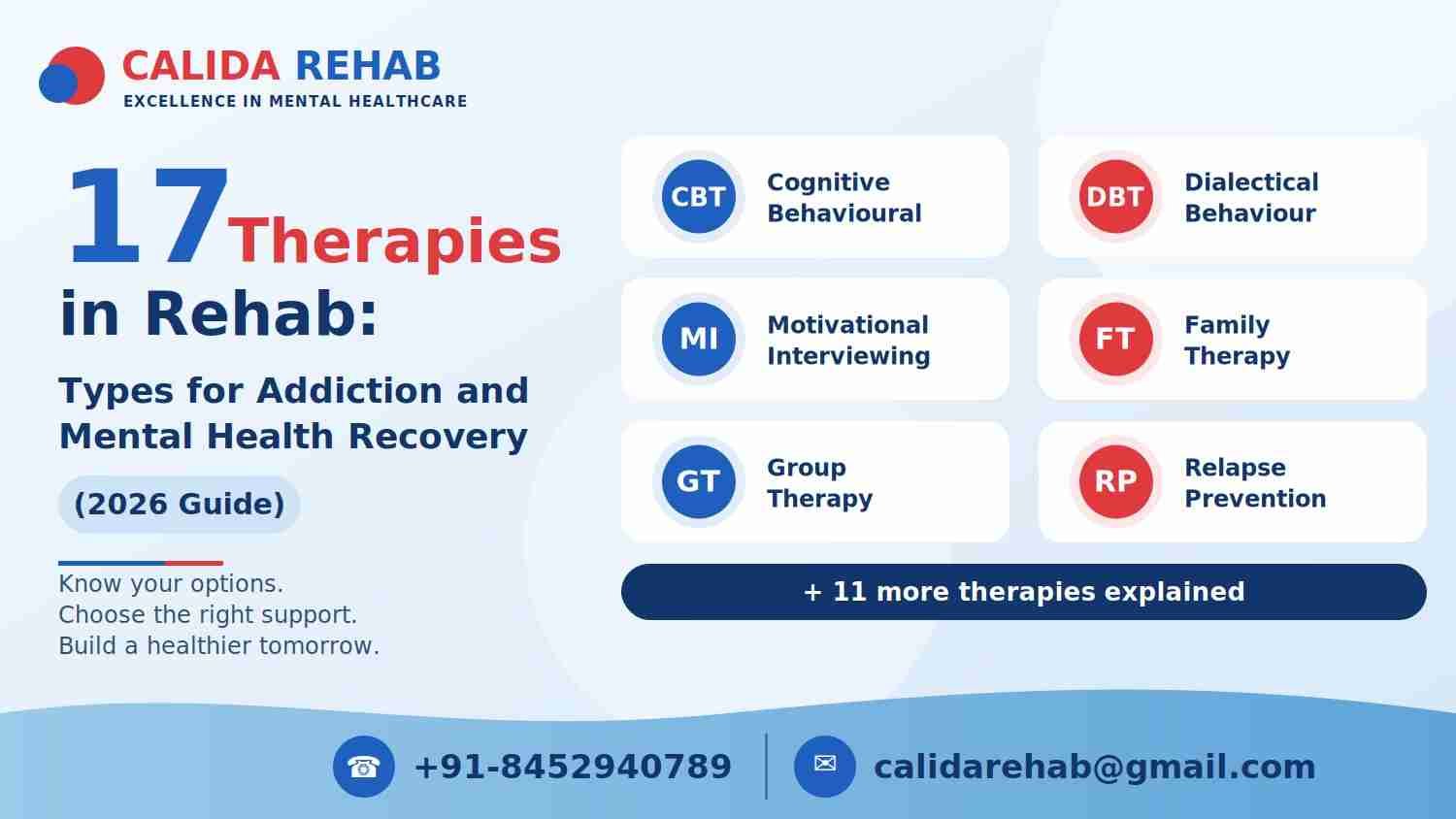
- Cognitive behavioural therapy (CBT): helps you spot thoughts such as a cigarette helps me focus, and replace them with healthier responses. Learn more about cognitive behavioural therapy.
- Motivational interviewing: a supportive conversation style that builds your own reasons for change.
- Group therapy: sharing struggles with others reduces isolation and keeps you accountable. See our page on group therapy.
- Relapse prevention therapy: teaches you to identify high-risk situations and plan your response. Read about relapse prevention therapy.
- One-on-one counselling: personal sessions to explore stress, emotions and triggers, as described in our guide to one-on-one counselling.
For an overview of all approaches, see our guide to therapies in rehab. Also, telephone counselling through the National Tobacco Quitline is free and designed specifically to help people quit.
How to Handle Cravings
Each craving usually lasts 3 to 5 minutes. Use the 4 Ds to get through it:
- Delay: tell yourself you will wait 10 minutes. Often the urge passes on its own.
- Deep breathe: breathe in slowly for 4 counts, hold for 4, and breathe out for 6.
- Drink water: sip cold water or herbal tea slowly.
- Distract: walk, call a friend, clean a room, play a game, or chew sugar-free gum, fennel seeds (saunf) or cardamom.
In addition, take a brisk 10-minute walk, because light exercise reduces the strength of cravings. Also, avoid alcohol for the first few weeks, because it weakens your resolve and is a common trigger.
Quitting Bidi, Hookah and Vaping
Bidis are not safer than cigarettes. They often deliver as much or more tar and carbon monoxide, and they are very common in India. Hookah is also harmful, because a typical session can involve far more smoke than a single cigarette, and sharing a pipe can spread infections. The same quitting steps work for all forms of smoking.
Vaping is not a recommended way to quit in India. The Prohibition of Electronic Cigarettes Act, 2019 bans the manufacture, sale, import and advertising of e-cigarettes, and vapes still contain addictive nicotine. Also, many people end up using both vapes and cigarettes. Choose NRT or a prescribed medicine instead.
Smoking, Stress and Mental Health
Many people believe smoking reduces stress. In reality, nicotine mainly relieves the withdrawal discomfort that the previous cigarette created, which keeps the cycle going. A well-known systematic review in the BMJ found that people who quit smoking had lower anxiety, depression and stress, and better mood, than those who kept smoking.
However, smoking and mental health conditions often occur together. People living with depression or anxiety may find quitting harder and may need more support. If you also drink heavily or use other drugs, tell your doctor, because quitting one substance can sometimes increase use of another. Our guide on how to overcome depression and anxiety offers practical next steps.
Will You Gain Weight After Quitting?
Some weight gain is common. On average, people gain around 4 to 5 kg in the first year, because nicotine slightly speeds up metabolism and food tastes better after quitting. To limit it, eat regular meals, keep fruit or roasted chana handy, and walk for 30 minutes a day. Do not delay quitting to avoid weight gain, because the health risk of smoking is far greater.
What to Do If You Slip or Relapse
A single cigarette does not mean you have failed. Many people need several attempts. If you slip, follow these steps:
- Stop again right away. Do not wait for Monday or the next month.
- Note what triggered the slip, such as stress, alcohol or a social event.
- Tell your support person or call the quitline.
- Review your medicine plan with your doctor.
- Restart your plan and focus on the next craving only.
How to Help a Family Member Quit Smoking
Support works better than pressure. Ask what kind of help they want, and avoid shaming or hiding their cigarettes. Offer to take walks together, keep the home smoke-free, and celebrate each milestone. If a loved one refuses to even consider quitting, our guide on how to convince someone to go to rehab shares a compassionate approach. Also, our list of signs you need a rehab centre can help you judge when professional care is needed.
When Should You Seek Professional Help?
Self-help works for many people, but professional support is wise in these situations:
- You have tried several times and relapsed.
- You smoke more than a pack a day, or light your first cigarette within 30 minutes of waking.
- You have a long-term illness such as heart disease, COPD or diabetes.
- You live with depression, anxiety or another mental health condition.
- You also use alcohol or other drugs.
- Withdrawal feels too hard to cope with on your own.
Calida Rehab treats addiction and co-occurring mental health conditions through psychiatric care, counselling and structured therapy across Maharashtra. If tobacco use is part of a wider pattern of substance use, the team can build one combined plan. Explore the option closest to you:
- Nasha Mukti Kendra in Panvel
- Nasha Mukti Kendra in Mumbai
- Nasha Mukti Kendra in Pune
- De-addiction centre in Mumbai
- Rehabilitation centre in Navi Mumbai
- Rehabilitation centre in Thane
To speak with the team in confidence, visit our contact page or call +91 845 294 0789.
Free Helplines in India
- National Tobacco Quitline Services: 1800-11-2356 (toll-free). Free counselling from trained professionals under the Ministry of Health and Family Welfare. The number is also printed on tobacco packs.
- Tele-MANAS: 14416, the government mental health helpline, free and available around the clock. Visit Tele-MANAS for more details.
- Emergency: 112, if someone is in immediate danger.
Frequently Asked Questions About Quitting Smoking
What is the fastest way to quit smoking?
There is no instant method, but the fastest reliable route is to pick a quit date, use nicotine replacement therapy or a prescribed medicine, remove triggers and get counselling support. This combination gives better results than stopping suddenly with willpower alone. Most people feel the hardest part within the first 3 days.
How long does nicotine withdrawal last?
Physical nicotine withdrawal usually peaks on days 2 to 3 and fades over 2 to 4 weeks. Cravings and mood changes can linger for a few months, especially around triggers such as stress, alcohol or social events. These episodes become shorter and weaker with time.
Can I quit smoking without medicines?
Yes. Some people quit cold turkey, and in India most smokers who try to quit do so without aids. However, medicines and counselling raise the success rate noticeably, so they are worth considering, especially if you smoke heavily or have tried and failed before.
What happens to your body when you quit smoking?
Within 20 minutes your heart rate and blood pressure begin to fall, and within 12 hours carbon monoxide in your blood returns to normal. Over weeks, circulation and lung function improve. Over years, the risks of heart disease, stroke and lung cancer fall steadily.
Is vaping a safe way to quit smoking in India?
No. E-cigarettes are banned for sale, manufacture and advertising under the Prohibition of Electronic Cigarettes Act, 2019, and vapes still contain addictive nicotine. Doctors recommend nicotine replacement therapy or prescribed medicines such as varenicline instead.
What is the free helpline to quit smoking in India?
The National Tobacco Quitline Services number is 1800-11-2356. The call is toll-free and connects you with trained counsellors. For emotional support during withdrawal, you can also call Tele-MANAS on 14416.
Bottom Line
Quitting smoking is one of the best things you can do for your heart, lungs, mind and wallet. The most reliable path combines a firm quit date, a proven medicine, counselling and a plan for cravings and slips. Withdrawal is temporary, but the benefits last for life. If smoking is tied to alcohol, drugs, depression or anxiety, Calida Rehab can guide you through medically supervised treatment in Mumbai, Pune, Thane and Navi Mumbai.