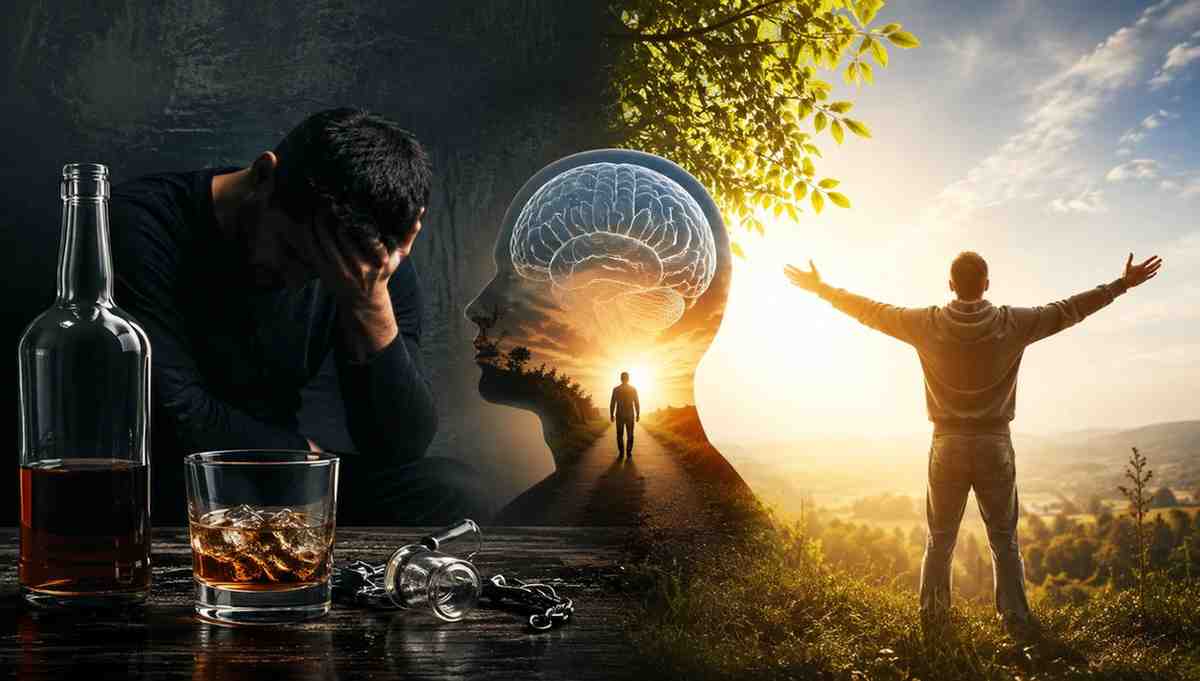
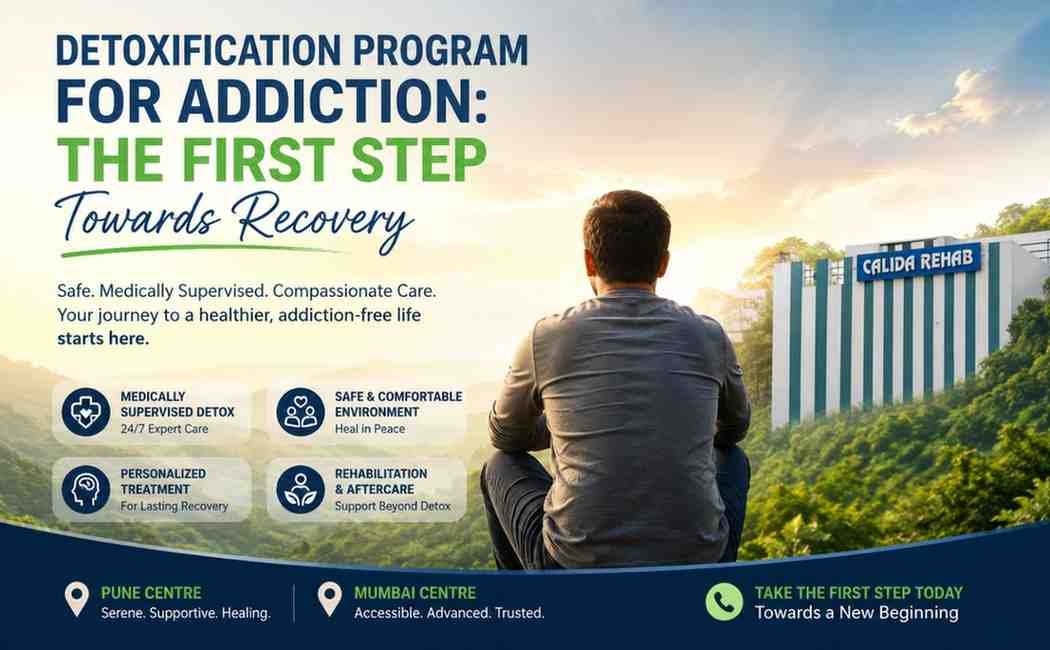
Addiction is increasingly becoming a serious health issue, affecting millions of people across the world. Based on research conducted by the World Health Organisation (WHO), harmful alcohol use is responsible for more than 3 million deaths around the world every year. However, addiction remains a cause of poor physical health, psychological issues, and relationship problems, among others.
As someone who may be experiencing problems with either alcohol or drug addiction. Feeling confused, overwhelmed, or unsure where to start. The journey towards overcoming addiction can start with one crucial step, which is detoxification. Before counselling, therapy or rehabilitation takes place, one must clear out their body of addictive substances.
Professional alcohol and drug detoxification programs allow addicts to deal with withdrawal symptoms, minimise any health risks and prepare for long-term recovery. But the most important aspect of undergoing such programs is that one gets an opportunity to return to their normal state of living.
This blog will discover how the detoxification process works and what type of alcohol or drug detox programs to choose.
What Is Detoxification and Why Is It Important?
Detoxification is the cleansing of alcohol, drugs, and any other addictive substance from the body. Addiction makes the body reliant on the substances to work properly. Withdrawal symptoms can be experienced when the consumption of these substances is ceased.
A detoxification process that involves addiction ensures that there is proper care, monitoring, and assistance in order to deal with withdrawal symptoms in a safe way. Detox is not an addiction cure; rather, it is the starting point of recovery.
Why Detox Is the First Step in Addiction Treatment
Before any form of counselling or therapy is attempted, it is essential that the body is cleared of any drugs that cause addiction. Detoxification makes it possible to:
- Maintain the stability of physical condition.
- Minimise problems related to withdrawal.
- Enhance mental awareness.
- Prepare the addict for rehabilitation and therapy.
- Lessen the chances of relapse during the initial phases of recovery.
It is difficult to recover without detoxification due to the physical and psychological struggles associated with it.
Types of Detox Programs
Alcohol Detoxification Program
This alcohol detoxification program is meant for those suffering from alcohol dependence due to the fact that some withdrawals may be serious. This program may contain:
- Medical examination
- Monitoring of vital signs
- Hydration and nutrition
- Management of withdrawal symptoms
- Emotional support
Drug Addiction Detoxification
Addiction to drugs involves detoxification from these drugs, such as opioids, heroin, cocaine, prescription drugs, and others.
Treatment methods depend on factors including:
- Kind of drug abuse
- Length of addiction
- General health status
- Degree of dependence
Inpatient Drug Detoxification Program
This type of drug detoxification takes place where patients are under 24/7 medical observation within the facility premises.
Benefits include:
- 24/7 supervision
- Medical assistance in case of emergencies
- Less exposure to triggering factors
- Structured and safe detox environment
- Safety during severe withdrawal
Detoxification Process: Step-by-Step
A professionally administered detox program involves a specific process that will assist people to overcome their addictions by withdrawing from either alcohol or drugs in a healthy manner. While each detox program is personalised based on the client’s unique needs, some common steps involved include:
Step 1: Evaluation
Detox always starts with an assessment. The assessment is done in order to obtain various crucial details, including:
- Type of substance and duration of addiction
- Amount and frequency of usage
- Any current illnesses
- Past mental issues
- History of previous detox attempts
Factors increasing the likelihood of developing withdrawal complications
2. Customised Detoxification
Depending on the assessment results, specialists will develop an individualised plan for detoxification. The therapy takes into account the current health condition and the degree of dependence on substances. And treatment objectives to guarantee maximum safety and efficiency of care.
3. Handling Withdrawal Symptoms
In case of cessation of substance abuse, the organism starts adapting to living without the presence of alcohol or drugs. And thus, the appearance of withdrawal symptoms becomes inevitable and occurs from several hours to days after.
Doctors observe the patient and offer assistance in managing different withdrawal symptoms, including anxiety, cravings, insomnia, nausea, perspiration, and irritability.
4. Medications to Aid Detox
Under some circumstances, detox from alcohol is made easier by taking medication or another form of prescribed drugs, which will minimise withdrawal symptoms.
These medications are prescribed according to the patient’s condition, history of substance abuse, and extent of withdrawal symptoms. This is done to ensure that the detox process is smooth and relatively risk-free.
5. Ongoing Observation
As part of the entire detox process, there is continuous observation of patients under the care of medical practitioners. This includes checking on vital signs, hydration, sleeping patterns, and general well-being.
6. Move on to Rehabilitation and Therapy
Detox treats physical addiction, but for sustained recovery, further treatment is necessary. After detoxification, the recovering addict is advised to move forward with their recovery process via rehabilitation, personal counselling, behavioural therapy, support groups, and relapse prevention.
This move forms an integral part of their recovery process and a way of sustaining sobriety.
Withdrawal Symptoms and Risks Without Supervision
The withdrawal symptoms differ according to the type of substance being abused.
Typical withdrawal symptoms include:
- Anxiety
- Irritability
- Perspiration
- Nausea
- Headache
- Insomnia
- Cravings
Some more serious withdrawal symptoms include:
- Seizures
- Hallucinations
- Delirium
- Heart conditions
Home Detox vs Medical Detox
| Home Detox | Medical Detox |
| Limited supervision | 24/7 professional monitoring |
| Higher risk of complications | Immediate medical support available |
| Greater relapse risk | Structured environment |
| No access to specialized care | Personalized treatment plans |
| Not suitable for severe addiction | Recommended for moderate to severe cases |
Key Features of a Safe Detox Centre
When choosing a detoxification centre, ensure it has:
- Experienced doctors
- 24-hour supervision
- Tailored treatment programs
- Medical help in emergencies
- Discreet treatment
- Safe and pleasant surroundings
- Rehabilitation services included
A first-class detoxification centre considers physical stabilisation and the planning process towards recovery.
Detoxification Centres in Pune and Mumbai
People opt for detox centres in Pune and Mumbai because of the range of addiction treatment services provided by such centres.
These services may include:
- Detox from alcohol abuse
- Detox from drug addiction
- Inpatient detox treatment
- Counselling and therapies
- Family guidance
While choosing a detox centre, consider its methodology and medical expertise.
What Happens After Detox?
Detox alone fails to address the root of addiction. Long-term recovery involves continuous treatment such as:
Rehabilitation Programs
A structured process that provides healthy coping skills and prevents relapses.
Individual Counseling
Personal therapy deals with psychological problems leading to addiction.
Group Therapy
Groups encourage patients to be accountable for themselves and share their stories.
Relapse Prevention Planning
Patients are taught ways to cope with triggers and remain sober.
How to Choose the Right Detox Program
Choosing the right detox program is a crucial step in addiction recovery. A well-structured and medically supervised detox program improves safety, reduces withdrawal risks, and builds a strong foundation for long-term recovery.
Before selecting a detoxification program, consider the following factors:
- Severity of addiction: The type of substance and duration of use determine the level of care required
- Medical history: Pre-existing conditions require specialised monitoring during detox
- Inpatient vs outpatient care: Moderate to severe addiction often needs 24/7 inpatient detox support
- Qualified medical professionals: Ensure experienced doctors, psychiatrists, and therapists are available
- Personalised treatment plans: Individualised detox programs deliver better and safer outcomes
- Continuity of care: Detox should always be followed by rehabilitation, therapy, and relapse prevention
A professionally managed detox program ensures safe withdrawal, minimises health risks, and prepares individuals for long-term sobriety.
Best Detoxification Centre in Pune and Mumbai
If you are looking for the best detoxification centre in Pune and Mumbai, choosing a medically supervised and structured program like Calida Rehab can provide the right start to recovery.
Calida Rehab offers safe, confidential, and medically managed detox programs in both Mumbai and Pune, designed to help individuals recover in a calm and supportive environment.
Why Choose Calida Rehab?
- 24/7 medical supervision by experienced doctors and mental health professionals
- Scientifically designed detox and rehabilitation programs
- Peaceful, nature-based recovery environment in Karjat (near Mumbai & Pune)
- Personalised treatment plans for alcohol and drug addiction
- Integrated approach with therapy, counselling, and relapse prevention
- Strict privacy and confidential care for patients
Our Locations
- Mumbai Detox Centre – Easy access with a structured recovery environment
- Pune Detox Centre – Peaceful setting with focus on long-term healing
Both centres are surrounded by nature, helping patients recover in a stress-free and distraction-free environment.
Get Help Today
If you or your loved one is struggling with addiction, early intervention can make a life-changing difference.
📞 Call Now: +91-8452940789
📧 Email: info@calidarehab.com
🌐 Website: https://calidarehab.com
Start your recovery journey today with safe and medically supervised detox care in Mumbai and Pune.
Bottom Line
The initial steps towards recovery may seem tough, but they will be the key to success in regaining health. The process of detoxification allows individuals to stop abusing alcohol or drugs without harm to their bodies and provides a solid ground for further improvement.
Depending on what kind of addiction residents have, they can choose from alcohol detoxification programs, drug addiction detoxification, and inpatient drug detoxification programs that will be able to address their problem.
Please remember that detoxification is only the start, but not the end of any treatment for drug or alcohol abuse. A person needs to undergo counselling, therapy, and rehabilitation in order to get back on track.
With the necessary support and proper assistance, anyone can become sober and live a healthy life.
If someone close to you suffers from drug or alcohol addiction, do not hesitate to seek medical help. Contact the best detoxification centre in Pune or Mumbai, and begin recovery.
Frequently Asked Questions About Detoxification for Addiction Recovery
What is detoxification for addiction?
Detoxification is a medically supervised process where alcohol, drugs, and other addictive substances are safely removed from the body. It helps manage withdrawal symptoms and prepares individuals for further treatment.
How long does an alcohol detoxification program take?
An alcohol detox program typically lasts 3 to 7 days, depending on addiction severity, overall health, and withdrawal symptoms. Some individuals may require longer medical supervision.
Do you need medication during alcohol detox?
Not everyone needs medication. Doctors decide based on withdrawal severity, medical history, and overall condition. Medication may be used to reduce discomfort and improve safety.
What is an inpatient drug detoxification program?
An inpatient detox program requires staying at a rehabilitation center with 24/7 medical supervision, providing a safe and structured environment during withdrawal.
Can you detox at home safely?
Detoxing at home can be risky, especially in moderate to severe cases. Withdrawal symptoms may become serious, so medical supervision is strongly recommended.
What happens after detoxification?
After detox, individuals continue treatment through rehabilitation programs, counselling, behavioral therapy, and relapse prevention to support long-term recovery.