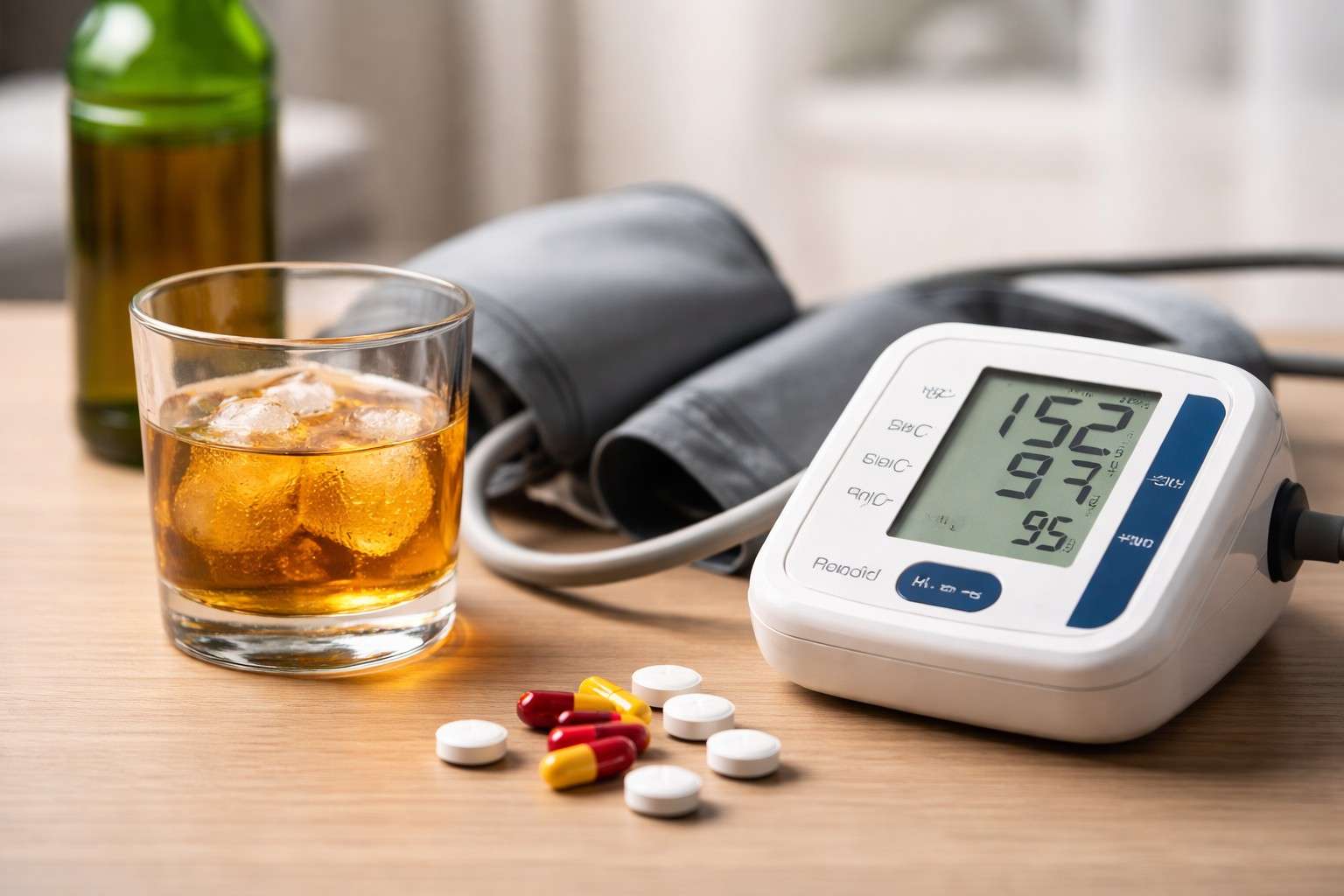

Yes, alcohol can raise blood pressure because of frequent drinking.
Many medical studies have proved this fact. People who drink frequently have high blood pressure compared to those who do not drink. Even moderate drinking can cause a slight rise in blood pressure.
Alcohol can affect the nervous system, hormones, and blood vessels. This causes the heart to work harder. As a result, blood pressure starts increasing.
For many people, a drink is often linked to relaxation. However, with over 1.2 billion adults worldwide living with hypertension, the connection between alcohol and heart health is a key consideration.
Alcohol is often seen as harmless, but it causes immediate changes in the body, from the nervous system to hormonal changes that result in high blood pressure. Knowing the effects of alcohol on blood pressure can help you make informed health choices.
Alcohol and Blood Pressure: What Happens Inside the Body?
To know the effects of alcohol on blood pressure. It is important to explore what happens within the body. Alcohol affects multiple mechanisms within the body that are responsible for managing blood flow.
First, alcohol stimulates the sympathetic nervous system. The sympathetic nervous system is responsible for managing the body’s response to stress. When the sympathetic nervous system is stimulated, blood vessels constrict. Constricted arteries mean that there is increased resistance in the arteries, leading to high blood pressure.
Second, alcohol affects hormone levels within the body. It stimulates the production of hormones such as renin and angiotensin. These hormones are responsible for managing the constriction of blood vessels and fluid within the body. An increase in the levels of these hormones leads to high blood pressure.
Lastly, alcohol affects kidney function. The kidneys are responsible for managing the levels of salt and fluid within the body. However, alcohol consumption can lead to an imbalance of fluid within the body, resulting in fluid retention. Fluid retention leads to an increase in blood pressure due to the increased volume of blood within the arteries.
Can Drinking Alcohol Increase Blood Pressure in Healthy People?
Many individuals think that alcohol consumption affects only those who have hypertension. Unfortunately, this is not true.
Even a healthy person can develop high blood pressure due to regular alcohol consumption. Alcohol consumption affects the body’s ability to regulate blood pressure. Regular consumption of alcohol can lead to hypertension.
Studies also revealed that regular alcohol consumption can raise systolic blood pressure by 5 to 10 mmHg. Although this is a small increase, it is a major risk factor for heart disease.
Short-Term Effects of Alcohol on Blood Pressure
Alcohol can bring about sudden changes in blood pressure after consumption.
At first, alcohol causes the blood vessels to relax. This can lead to a sudden drop in blood pressure. Some people even experience warmth or flushing during this phase.
But this effect is not long-lasting. After a few hours, the body responds by increasing heart rate and constricting blood vessels. This leads to a sudden increase in blood pressure.
Long-Term Effects of Alcohol on Blood Pressure
However, chronic alcohol use leads to more profound health issues. The issues gradually impair the cardiovascular system.
Chronic alcohol use is a risk factor for chronic hypertension. In addition, it is a cause of weight gain, insomnia, and metabolic disorders. Each of these conditions can contribute to blood pressure difficulties.
However, chronic hypertension can cause cardiovascular disease, stroke, and renal impairment. Most people are not aware of the condition until they undergo routine health screenings.
How Much Alcohol Raises Blood Pressure?
The quantity of alcohol is more important than the beverage itself. The greater the amount, the greater the variations in blood pressure.
Light alcohol consumption is generally considered to be one drink per day. Even this amount may cause little change in blood pressure in some people. But it may still cause a slight rise in blood pressure in sensitive persons.
Moderate drinking is generally considered to be two drinks per day in men and one drink a day in women. At this level, sustained rises in blood pressure can occur.
Excessive drinking poses the greatest risk. Drinking three or more drinks a day greatly raises the risk of developing high blood pressure.
Alcohol Rehab in Pune for High Blood Pressure and Alcohol Dependence
However, when you notice that alcohol is affecting your health, especially your blood pressure, it may be the right time to get professional help. This is where an alcohol rehab in Pune comes in, as it has the necessary expertise and knowledge in managing alcohol dependence and its effects on blood pressure.
It is a common phenomenon for people to find it hard to stop drinking even after noticing that it is affecting their health, for instance, by causing high blood pressure, sleep deprivation, and fatigue, among other complications. This is where alcohol rehab in Pune comes in, as it has the necessary expertise in managing and treating people suffering from alcohol dependence.
This is a home-like environment, where patients receive the necessary treatment and guidance in managing their complications. Thus, by getting help at the right time from an alcohol rehab in Pune, you may be able to reduce the risks of complications, especially when you notice that it is affecting your blood pressure.
Who Faces Higher Risk from Alcohol?
Some people are at a higher risk when alcohol and blood pressure interact. Those with a family history of hypertension tend to develop high blood pressure earlier in life. Alcohol can contribute to this condition.
Those above forty years are also at a higher risk since blood vessels become less elastic with age.
Those who smoke, have a partner with diabetes, or are obese are also at a higher risk of the cardiovascular effects of alcohol.
What Happens When You Reduce Alcohol Intake?
The body may respond quickly if alcohol intake is reduced. Blood pressure may start to improve in a few weeks.
Some studies indicate that reducing heavy drinking can help decrease systolic blood pressure by 5 mmHg. This can greatly reduce the risk of heart disease.
Some people also experience improvements in sleep, energy levels, and weight management if they reduce their alcohol intake.
Simple Ways to Protect Your Blood Pressure
However, protecting your heart may not always mean making drastic changes in your lifestyle. Small lifestyle changes can bring about significant results.
First, you need to drink within limits. Men should not have more than two glasses of alcohol per day. Women should restrict their intake to one glass per day.
Secondly, you should avoid binge drinking. Drinking too much in a short span of time can cause sudden spikes in blood pressure.
Lastly, you need to make healthy lifestyle choices and be aware of the effects of alcohol.
When Should You Avoid Alcohol Completely?
Certain people should not consume alcohol at all. This is because alcohol can exacerbate certain health conditions.
Those with uncontrolled hypertension should not drink alcohol until their blood pressure is regulated. This is because alcohol can interfere with blood pressure medications.
In addition, those with liver conditions and heart problems should not consume alcohol. Pregnant women should also cut out alcohol consumption.
Final Thoughts
Alcohol is an important part of socialising in many societies. However, its effects on health are often underestimated.
Scientific evidence has confirmed that there is a strong connection between alcohol and blood pressure. Regular alcohol consumption can lead to a gradual increase in blood pressure and put the heart under strain.
However, the good news is that awareness can help turn things around. Your heart is always working for you, from the moment you wake up to the moment you go to sleep. Take care of your heart today, and you can avoid serious health issues in the future.
Frequently Asked Questions
Yes. Alcohol can raise blood pressure temporarily, especially after binge drinking.
Yes. Drinking alcohol regularly can raise blood pressure and lead to hypertension.
Yes. Reducing alcohol consumption can help lower blood pressure and improve heart health.
Yes. Beer is an alcoholic beverage that can raise blood pressure if consumed in excess.