
Schizophrenia Case Study: Saving a 19-Year-Old from Schizophrenia
History and Early Causes of Schizophrenia
Schizophrenia involves significant distortions in how reality is perceived. The patient developed altered thinking patterns and also experienced hallucinations.
She developed a false sense of influence or control which caused strain in the family. Consequently, she felt that external factors consistently influenced her thoughts. Her thinking was disorganised and she also suffered from poor fluency in speaking.
The patient also had limited emotional expressions and withdrew from the society. She did not show any interest in hobbies. She was also agitated often as the symptoms aggravated faster in the past 6 months.
Schizophrenia Diagnosis and Assessment
The diagnosis included carefully excluding health problems that could mimic the symptoms. The health professionals ruled out substance abuse and unsupervised medication intake. After conducting laboratory tests and imaging scans, the doctors ruled out any neurological disorder. However, after consulting with the family, it was diagnosed that the patient’s grand-mother suffered from schizophrenia. Therefore, genes had a crucial role to play.
Treatment & Introduction to Therapy:
Approach: Holistic rehabilitation program was initiated on which the patient’s mental and physical health were worked upon. She was recently diagnosed with schizophrenia which took some time for her to process.
Week 1-2: Initial Stabilisation.
When the patient first approached, schizophrenia was in an active state. She was delusional and had a disorganised speech. Clarity of thinking was poor and had extremely low self-confidence.
The complexity of the disorder often contributes to widespread myths that further aggravated the situation. The literal meaning of the word is “split mind”. The difference between multiple personality disorder, split personality disorder and schizophrenia was clarified. She was more prone to getting harmed rather than causing harm and there were instances of getting bullied in the past.
Week 3-4: Introduction to therapy sessions.
A recovery-oriented approach was adopted by therapists.
- Antipsychotics helped control symptoms of schizophrenia. These medicines targeted serotonin receptors and dopamine levels. Doctors adjusted the doses as needed as she was merely 19 years of age. However, multivitamins and Omega-3 supplements were prescribed to improve her health overall and offer neuroprotection.
- Family Intervention and Individual Therapy were administered. Regular sessions helped develop coping strategies to reduce the frequency of episodes. The family was also sensitised about the disorder to control situations at home.
- Psychosocial rehabilitation for one month helped enhance her communication skills and improve daily interactions. The patient also developed the habit of journaling as a reinforced recovery measure. The aim was to increase her independence. She was encouraged to take care of herself and relieve stress independently.
- Emphasis was also laid on consumption of a healthy diet. There was a complete restriction on consumption of alcohol. The patient was asked to eat a clean diet which included a balance of protein, carbohydrates and natural sugar. She was given a controlled cheat day once a week wherein she was allowed to enjoy her favourite food.
- Recreational activities were also arranged for the patient. The aim was to introduce hobbies in her routine. Therapists made sure that once the therapies were administered, the patient would focus on skill development that would help her in a professional environment.
Week 5-8: Significant reduction in denial and acceptance of her disorder increased. There was an improved mental clarity among family as well.
She was managing episodes of hallucinations independently and was also consistent with medication. However, professional help was provided at every step to monitor to prevent dependence on any medically prescribed drug.
Week 9-12: Follow-up & Observation
Week 9-12: Patient starts mentoring new admissions, indicating strong recovery progress. She was able to talk to other patients about the same disorder and educate them.
She actively worked on erasing the taboo associated with schizophrenia by talking to patients and their families. Self-awareness was actively worked upon. The patient also started enrolling herself in AI workshops to develop portals wherein schizophrenic patients joined to discuss
Our Success: Successful Schizophrenia Treatment Outcome
Impact on Patient’s Life: Regained control over life and regained trust among family. She resumed her education and started preparing for entrance exams to pursue a professional degree. She was able to reconnect with her peers and maintain a stable relationship with them.
- Family and Community: Rebuilding trust with family and engaging with community positively is a time consuming process for a schizophrenic patient. However, her will power was worked upon and she was able to step back into the society after 12 weeks of therapy.
- Future Steps: Continued outpatient therapy is helping her maintain her recovery. There is an active participation in alumni support groups. The patient is exercising regularly, is maintaining sleep hygiene and is adhering to proper screen time. She has been pursuing a degree in marketing through correspondence and wished to run online counselling sessions for students who are suffering from the same disorder.
Call our 24-hour free confidential helpline.
Treatments
Experts To Guide In Recovery Journey

Dr. Prashant Dasud
M.D. (Psychiatry)

Dr. Santosh Pawar
M.D. (Radiodiagnosis)
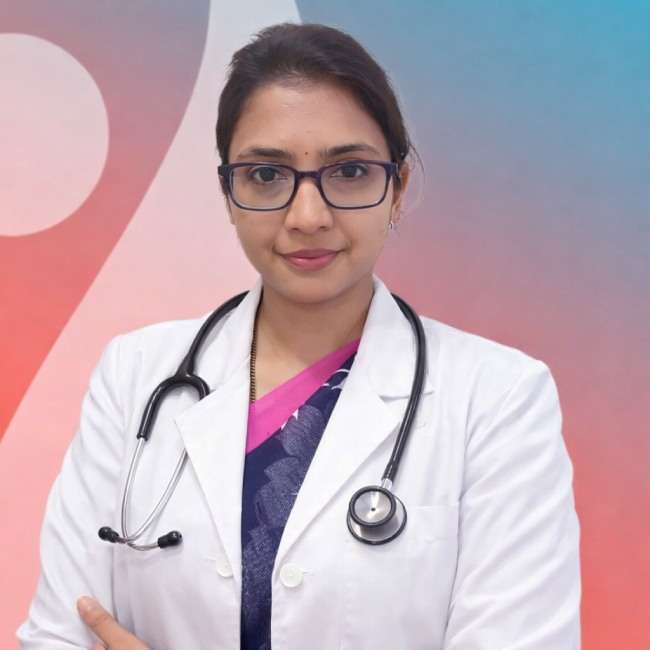
Dr. Neha Shetty
M.D. (Psychiatry)
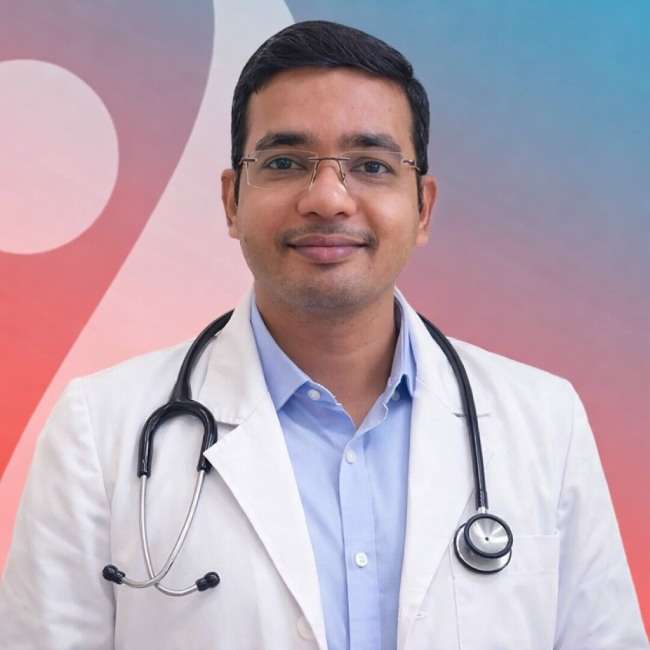
Dr. Abhijit Bombe
MBBS, DPM

Dr. Pooja Misal
M.D. (Psychiatry), DM (Geriatric Mental Health)
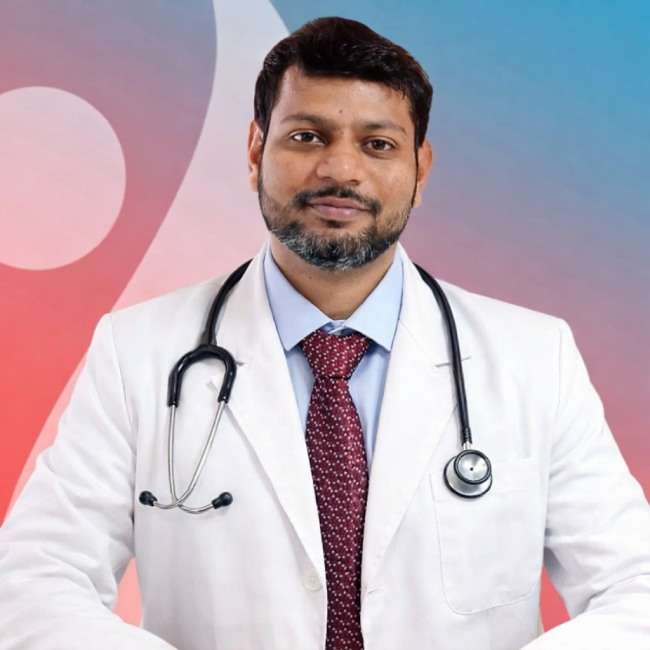
Dr. Ritwick Chatterjee
M.D. (Psychiatry) Post doctoral Fellowship (Child & Adolescent Psychiatry)
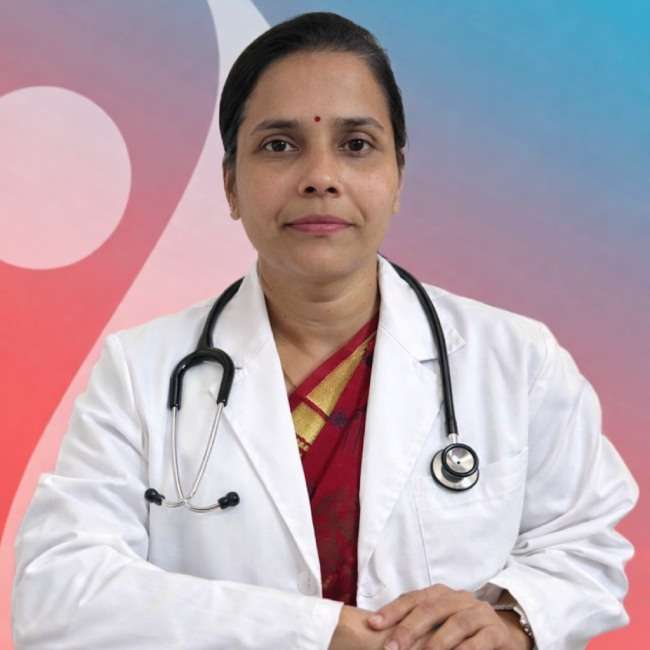
Dr Vaishali Choramle
B.H.M.S, M.B.A
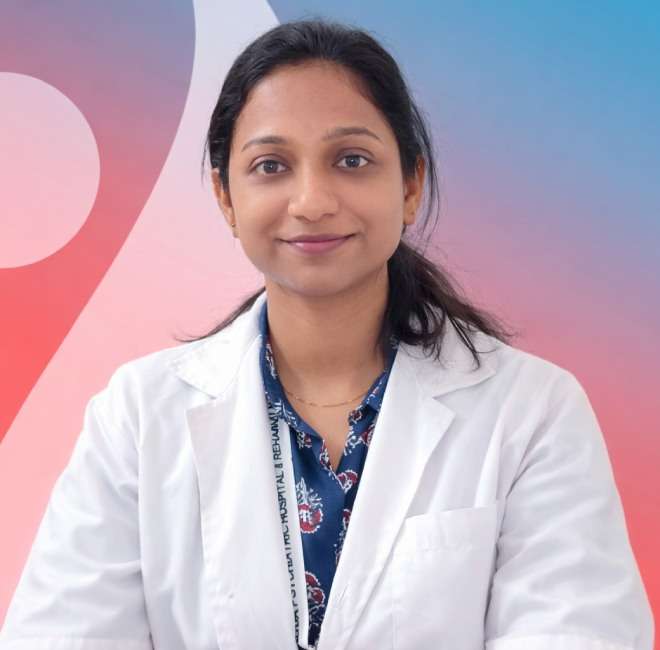
Jesni A J
Clinical Psychologist
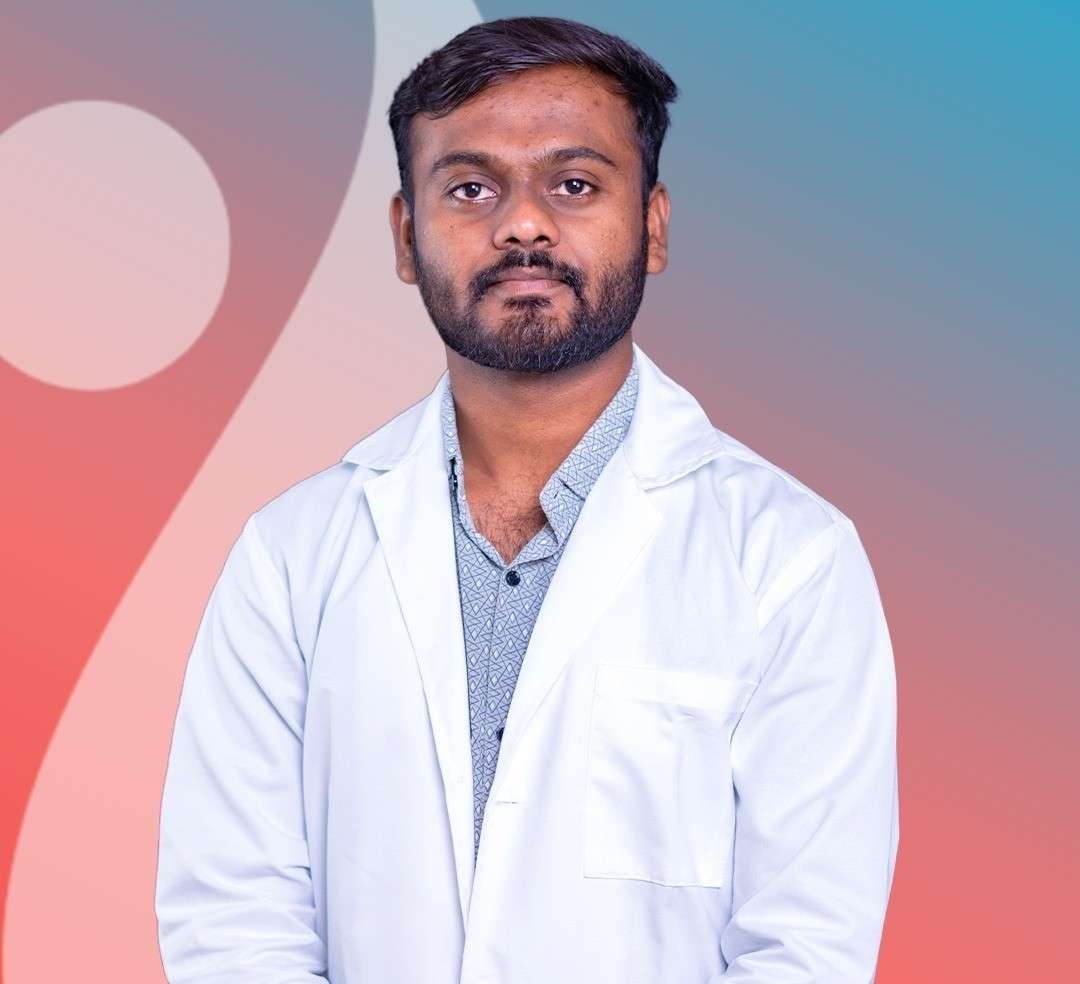
Satyajeet Rajmane
Clinical Psychologist
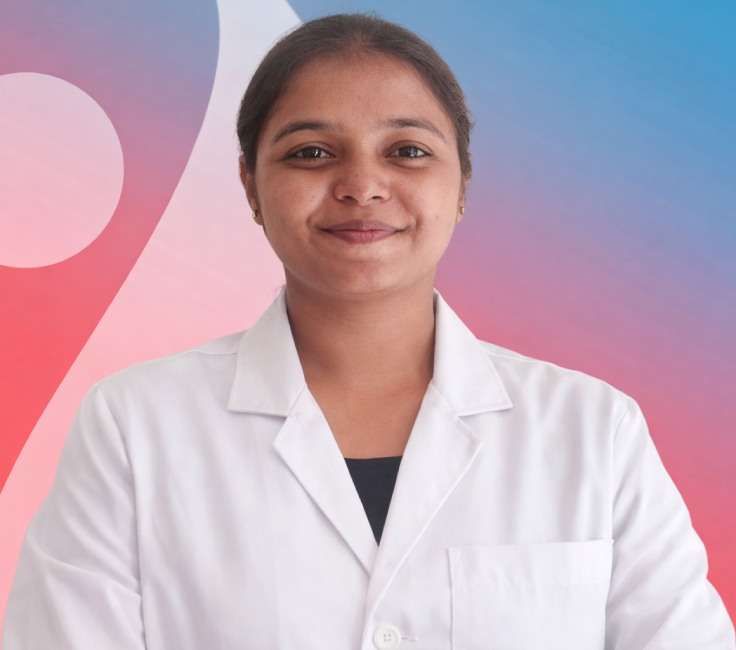
Manvi Bhoite
Clinical Psychologist
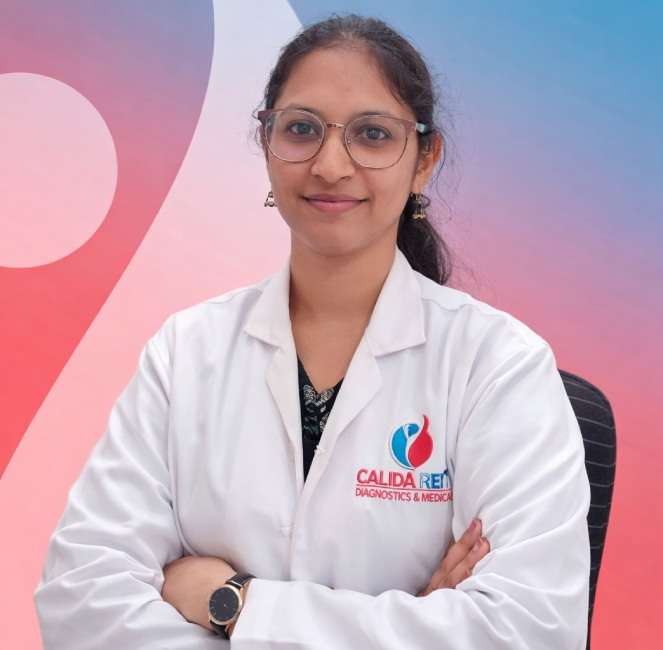
Siddhi Pandey
Clinical Psychologist

Neha
Nurse Incharge

Naina
Staff Nurse
Pooja Barude
Staff Nurse

Sachin Sawant
Art Teacher

Bhagawan Dabhade
Music Teacher