Obsessive Compulsive Disorder (OCD) Treatment
Obsessive Compulsive Disorder or OCD is a psychological disorder that involves obsessions and compulsions. The disorder entails compulsions that are ego-dystonic which causes a conflict between a patient’s values, desires and beliefs.
2–3%
of the world’s population is affected by OCD at some point in their lifetime.
~1%
of people suffer from OCD in any given year globally.
~0.6%
estimated lifetime prevalence of OCD in India, based on epidemiological studies.
Top 10
OCD is ranked among the top 10 most disabling mental health conditions worldwide in terms of impact on daily functioning.
Introduction
Many people think liking cleanliness or organising one’s life entails having Obsessive-Compulsive Disorder. However, this mental health ailment is far more complex. People experience obsessions that trigger anxiety and perform compulsive tasks to ease these responses. Patients may also try to avoid triggers or use substances to cope with this consequential anxiety.
Calida Rehab Centre offers the best OCD treatment in India. From sexual OCD treatment to OCD treatment without medication, patients have access to the best obsessive-compulsive disorder treatment in India at the facility. Without support and dedicated OCD disorder treatment, compulsive behaviour may increasingly dominate thoughts, emotions, and behaviours.
Read on to learn more about the causes and treatment.
Understanding OCD
Obsessive-Compulsive Disorder involves the presence of unwanted and intrusive thoughts in a patient’s mind. Such urges create anxiety disrupting the life of a person. Patients feel compelled to perform repetitive rituals such as checking, counting, cleaning and so on. Such behaviour is rigid, time-consuming and interferes with daily life.
As opposed to ordinary old habits, OCD thoughts are persistent. Lack of completion of these rituals causes intense fear and discomfort. Many patients suffering from OCD fail to acknowledge that their thoughts are unrealistic. However, it is only after proper diagnosis that they realise they are struggling with obsessions and compulsions.
What Does OCD Treatment Include?
With proper obsessive-compulsive disorder treatment, most patients see reduced symptoms and experience better functioning. While therapy helps them perform better in life, relationships also improve.
Along with offering OCD intrusive thoughts treatment, mental health experts also offer a dedicated sexual OCD treatment. Here is what makes Calida Rehab Centre the best place for obsessive-compulsive disorder treatment in India:
Core Treatment Approaches
OCD Treatment Medication
SSRIs (Selective Serotonin Reuptake Inhibitors) are a primary OCD treatment, proven to be more effective than most medicines. Common options include fluoxetine, sertraline and escitalopram. OCD often requires higher doses and at least 12 weeks for improvement to be evident.
Side effects of the medication are usually mild, but experts at Calida Rehab Centre administer the dosage carefully. Antidepressants could be prescribed as part of obsessive-compulsive disorder treatment. These may cause headaches, dizziness and tiredness.
Although these symptoms disappear after a few weeks, consulting a doctor is essential. The dosage must only be reduced gradually and only under professional supervision. If one SSRI is not enough, switching or adding another medication may help the symptoms improve. However, these medications are not habit-forming or addictive in any sense.
Medication decisions are made by psychiatrists based on each patient’s response. No two patients respond to the medication in the same way.
Cognitive Behavioural Therapy
Cognitive Behavioural Therapy (CBT) helps a patient alter unhelpful thoughts. Patients can control their reactions and behaviour patterns. Therapists train them to manage their obsessions and compulsions effectively.
Exposure and Response Prevention (ERP)
ERP therapy is a type of cognitive behavioural therapy. One of the most effective forms of therapy, it enables patients to face their worst fears. Patients learn that when facing situations without performing their rituals, anxiety fades away.
Mental health experts counsel them that feared outcomes do not always occur as before. Therapists create step-by-step exposure plans, practised in sessions and at home.
Patients are gradually moved from easier to harder challenges. They gain confidence over time and their compulsions are reduced. They have benefited from additional cognitive techniques like restructuring unhelpful thoughts and more.
Obsessive Compulsive Disorder Self-Treatment
Patients can improve their own obsessive-compulsive disorder causes and treatment with helpful self-care strategies. Patients are taught to refocus their attention through exercises and activities to delay compulsions. They have to jot down their obsessive thoughts and recognise repetitive patterns.
Mental health experts at Calida Rehab Centre train patients to manage OCD treatment without medicines. Patients anticipate urges by performing tasks mindfully the first time. Once done, it makes it easier for them to label urges as obsessive thoughts. Patients are encouraged to set a worry period to postpone their intrusive thoughts until that time of day.
Supportive Intervention
Mental health experts at Calida Rehab Centre allow the family to help patients. Despite having access to the best doctor for OCD treatment in India, mental health experts encourage families of patients to participate in the treatment.
To prevent relapse, members of a family are encouraged to show patience and encouragement. Loved ones are encouraged to learn about OCD treatment without medication and to encourage healthy habits. Techniques like using code words for distress and celebrating small achievements make it the best treatment for OCD.
Maintaining empathy and focusing on a person’s strengths is essential. Strengths of a person must always be focused on and taking care of one’s own well-being is also important. Families play a crucial role in providing consistent and compassionate support throughout recovery
Aftercare and Relapse Prevention
When it comes to OCD treatment without medication, patients must learn to manage their stress and avoid triggers strongly and smartly. Practising relaxation strategies like deep breathing and doing yoga for 30 minutes a day can help reduce anxiety efficiently. The aim of this obsessive-compulsive disorder self-treatment is to support independent coping mechanisms of patients without professional help.
Call our 24-hour free confidential helpline.
Treatments
Treatment Pathway
|
Stage |
What Happens? |
|
Assessment |
Patients are assessed, and obsessions are identified. Psychiatrists assess severity, triggers, and identify co-existing conditions. |
|
Stabilisation |
Treatment is initiated. The first step is the administration of CBT, generally Exposure and Response Prevention. Medication prescription generally depends on the severity of the problem. |
|
Active Phase |
Regular therapy sessions are conducted with a focus on cognitive restructuring and skill building. Medication dosage is optimised and the condition is monitored closely. |
|
Review |
Continuous evaluation is done and the family is kept in the loop. Treatment is adjusted depending on the condition of the patient. |
|
Maintenance |
The focus is on long-term relapse prevention through consistent therapy. Coping strategies and lifestyle maintenance are introduced for the patient to manage his or her life independently. |
Treatment Duration
- Initial Improvement: Takes 4-8 weeks for symptoms to be identified and gain minor control over.
- Active Treatment: Takes 3-6 months with therapy and medication.
- Maintenance: Takes 6 months – 24 months with proper medication and therapy to prevent relapse.
- Rehab (If necessary): Highly recommended for severe or treatment-resistant OCD. Patients must opt for intensive residential programs or day care.
However, the duration depends on the consistency of the treatment and the individual’s response and willpower.
When Is Rehab Recommended?
Rehab is recommended when the obsessions become intrusive and patients suffer from extreme irrational thoughts. Some fears create intense anxiety in a person. Patients struggle to control these thoughts despite knowing that these thoughts are unreal.
- Common obsessions include fear of germs, having repeated doubts and fixation on order or symmetry. Patients must consult a professional when they experience an obsession with violent and sexual thoughts. Such situations create a conflict between personal morals and religious beliefs.
- Compulsions are repetitive actions. For instance, patients who are into excessive washing of hands, constant checking or following rigid routines must consult a doctor. Patients become paranoid which disrupts their routine and exhausts them.
Treatment Cost Guide
|
Service |
Expected Range |
|
Psychiatric Consultation |
Rs 500- Rs 3,000 |
|
Medication |
Rs 1,500 – Rs 15,000/month |
|
Therapy Session |
Rs 1,000 – Rs 5,000/session |
|
Rehab Programs |
Rs 25,000 – Rs 2,50,000/month |
The cost of the treatment depends on the duration of the treatment, type of medication prescribed and the level of care needed by a patient.
Most Suitable Treatment Option Based on Case Type
|
Case Type |
Recommended Approach |
|
Mild OCD |
Cognitive Behavioural Therapy along with Exposure and Response Prevention. |
|
Moderate OCD |
Exposure and Response Prevention with relevant medication. SSRI drugs are generally prescribed for this disorder. |
|
Severe/Chronic OCD |
Medication along with intensive ERP as well as structured programs are prescribed. |
|
Dual Diagnosis |
OCD and other conditions are treated with the help of integrated psychiatric treatment. The aim is to address both disorders. |
Start Treatment
Take the first step toward managing OCD with a confidential consultation. Connect with a specialist to explore personalised treatment options. You can call us, WhatsApp us, or even book an appointment via email to request a basic treatment plan.
Treatment plans vary by individual. Medication and therapy should only be provided under the supervision of a licensed mental health professional.
Frequently Asked Questions
Find answers to common questions about our treatment programs, admission process, and what to expect during your recovery journey
What is the best treatment for OCD?
How to overcome OCD at home?
How does OCD start?
Is OCD part of anxiety?
How to stop OCD thoughts naturally?
Experts Who Will Guide Your Recovery
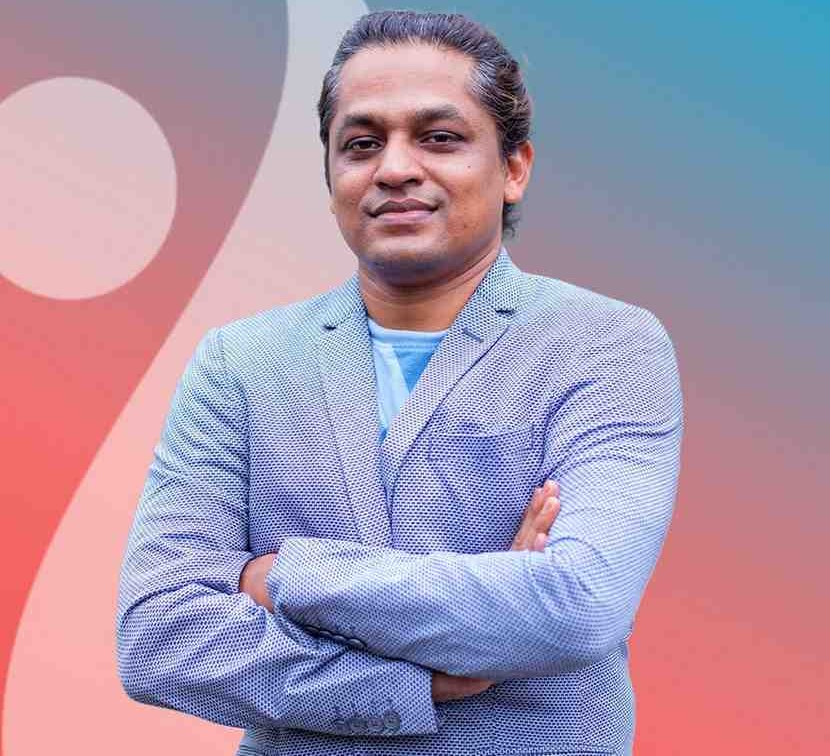
Dr. Prashant Dasud
Designation: M.D. (Psychiatry)
Experience: 14+
Illnesses:
Depression & Mood Disorders, Anxiety Disorders, Bipolar Disorder, Schizophrenia & Psychotic Disorders, OCD, Drug & Alcohol Addiction, Sleep Disorders
Geriatric Mental Health Issues

Dr. Santosh Pawar
Designation: M.D. (Radiodiagnosis)
Experience: 12+
Illnesses:
CT / MRI, Dementia & Memory Disorder, Neuro-radiological Evaluation, pine & Nerve Imaging,Head Injury & Neurological, Diagnostic Support for Mental Health
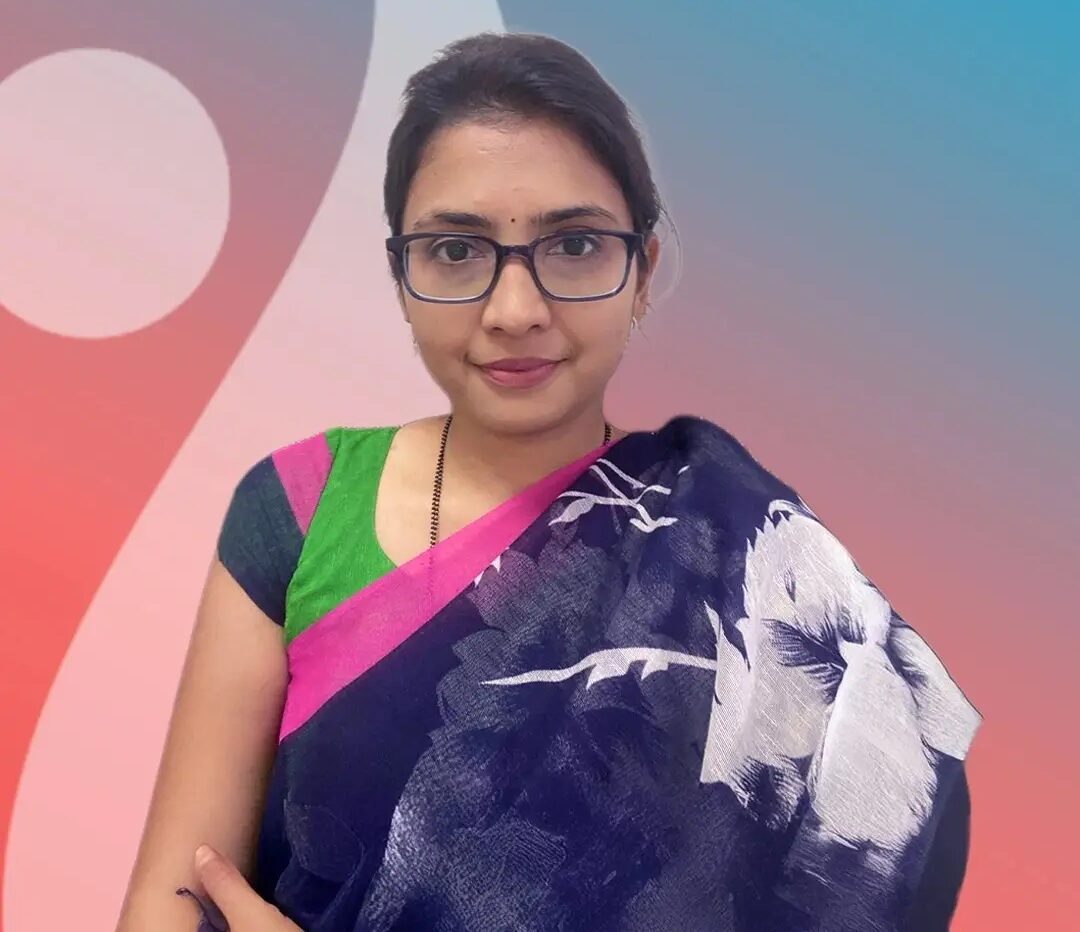
Dr. Neha Shetty
Designation: M.D. (Psychiatry)
Experience: 11+
Illnesses:
Depression, Anxiety Disorders, Bipolar Disorder, Schizophrenia & Psychosis, OCD, Drug Addiction,Mental Health Issues