
Dopamine plays a central role in addiction by controlling how the brain experiences pleasure, motivation, and reward. When substances such as alcohol, nicotine, or drugs repeatedly increase dopamine release, the brain gradually adapts. This leads to reduced pleasure from normal activities, increased cravings, and dependency.
According to research from the National Institute on Drug Abuse, addictive substances overstimulate the brain’s reward system and force dopamine receptors to become less sensitive over time. Medical studies from the Cleveland Clinic also show that long-term addiction weakens dopamine signalling, which affects mood, motivation, and decision-making ability.
Understanding what role dopamine plays in addiction helps explain why recovery takes time and why restoring dopamine receptors requires consistent treatment and healthy habits.
What Is Dopamine and How Does It Work in the Brain?
Dopamine is a neurotransmitter responsible for communication between brain cells. It regulates motivation, reward, pleasure, and learning.
Key Functions of Dopamine
Dopamine supports several important brain functions:
- Controls feelings of pleasure and reward
- Helps maintain motivation and focus
- Supports memory and learning
- Regulates movement and coordination
- Encourages repetition of useful behaviors
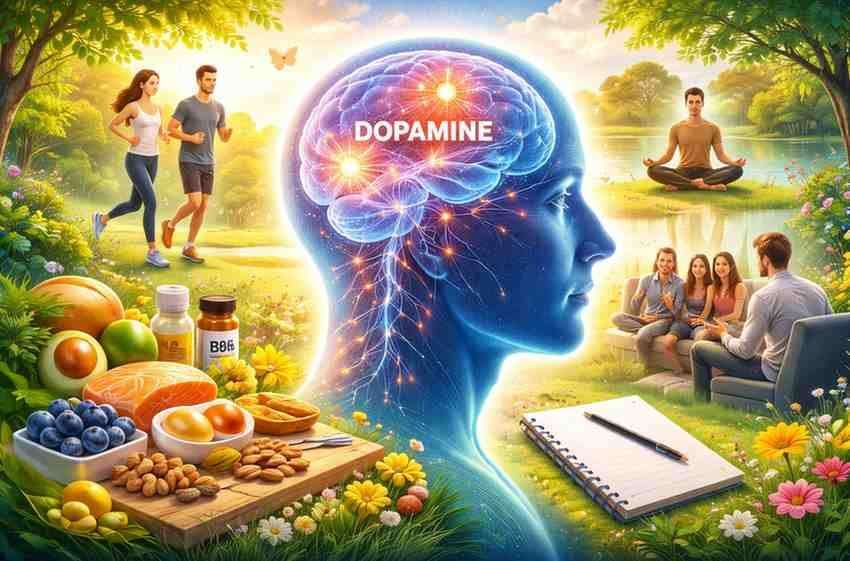
In normal conditions, dopamine is released during healthy activities such as:
- Eating nutritious food
- Completing tasks
- Exercising
- Social interaction
- Achieving goals
However, addictive substances disrupt this natural balance by causing excessive dopamine release, which leads to long-term brain changes.
What Role Does Dopamine Play in Addiction?
Dopamine plays a major role in addiction by reinforcing behaviors that produce pleasure.
How Dopamine Drives Addiction
When addictive substances are used:
- Dopamine levels increase rapidly
- The brain experiences intense pleasure
- The brain remembers the reward
- The behaviour is repeated
- Dependency gradually develops
Over time, the brain becomes dependent on artificial stimulation instead of natural rewards.
Effects of Dopamine Changes in Addiction
Common effects include:
- Reduced interest in daily activities
- Increased cravings
- Loss of motivation
- Poor decision-making
- Difficulty controlling impulses
These changes explain why addiction is considered a brain disorder, not simply a lack of willpower.
What Happens to Dopamine Receptors During Addiction
During addiction, several changes occur in dopamine receptors and surrounding brain cells. These changes reduce the brain’s natural reward response and increase dependency on substances.
Key changes in dopamine receptors include:
- Dopamine receptors become less responsive
Repeated dopamine surges cause receptors to lose sensitivity. As a result, stronger stimulation is required to produce the same pleasurable effect. - The brain produces fewer active dopamine receptors
To protect against excessive stimulation, the brain reduces receptor availability. This decreases overall dopamine signaling. - Natural rewards stop feeling enjoyable
Activities such as eating, socializing, or exercising no longer produce the same satisfaction. This condition is often referred to as anhedonia, or loss of pleasure. - Higher substance doses are needed
Reduced receptor sensitivity leads to tolerance, meaning individuals must increase substance use to feel similar effects. - Withdrawal symptoms become stronger
When dopamine levels drop suddenly, individuals may experience fatigue, irritability, anxiety, and intense cravings.
These receptor-level changes explain why addiction strengthens over time and becomes more difficult to overcome without treatment.
Long-Term Effects of Dopamine Receptor Damage
Long-term dopamine receptor damage affects multiple areas of brain function. These changes not only influence mood but also impact memory, judgment, and impulse control.
Common long-term effects include:
- Emotional numbness
Individuals may feel disconnected from emotions and struggle to experience happiness or excitement. - Low motivation and reduced productivity
Reduced dopamine signaling decreases the drive to complete daily tasks or pursue goals. - Anxiety and irritability
Imbalanced dopamine levels affect mood regulation and increase emotional instability. - Poor concentration and memory problems
Dopamine plays an important role in attention and cognitive processing. Reduced activity weakens focus and decision-making ability. - Increased relapse risk
Because natural rewards feel less satisfying, individuals may return to substance use to temporarily restore dopamine stimulation.
Why Dopamine Receptor Damage Makes Addiction Hard to Break
Dopamine receptor damage affects brain areas responsible for self-control and decision-making, particularly the prefrontal cortex. This region helps regulate impulses, manage emotions, and evaluate consequences.
When receptor function declines:
- Self-control becomes weaker
- Cravings feel stronger
- Decision-making ability declines
- Risk-taking behavior increases
These neurological changes explain why addiction cannot be solved by willpower alone. The brain requires time and consistent recovery efforts to rebuild dopamine receptor sensitivity.
Can Dopamine Receptors Heal After Addiction?
Yes, dopamine receptors can heal, but recovery depends on several factors.
Factors That Affect Dopamine Recovery
Recovery speed depends on:
- Duration of substance use
- Type of substance used
- Age and physical health
- Sleep patterns
- Nutrition quality
- Treatment support
Most individuals begin noticing improvements once substance use stops and healthy habits begin.
How Long Does It Take for Dopamine Receptors to Recover?
This is one of the most searched questions related to addiction recovery.
Estimated Dopamine Recovery Timeline
Recovery time varies by severity:
Mild Addiction
- Recovery begins within 2–4 weeks
- Improved sleep appears first
- Focus gradually improves
Moderate Addiction
- Recovery may take 2–6 months
- Motivation slowly returns
- Cravings reduce gradually
Severe Addiction
- Recovery may take 6–12 months or longer
- Requires professional treatment
- Behavioral therapy becomes essential
These timelines explain why patience and consistency are necessary during recovery.
How to Repair Dopamine Receptors Naturally
Natural lifestyle changes support brain healing and dopamine recovery.
Effective Ways to Repair Dopamine Receptors
1. Regular Exercise
Physical activity increases dopamine production and improves receptor sensitivity.
Examples:
- Walking
- Cycling
- Yoga
- Strength training
2. Balanced Nutrition
Certain nutrients help produce dopamine naturally.
Important nutrients include:
- Tyrosine (found in protein-rich foods)
- Omega-3 fatty acids
- Vitamin B6
- Magnesium
Foods that support dopamine:
- Eggs
- Nuts
- Fish
- Leafy vegetables
- Whole grains
3. Quality Sleep
Sleep restores neurotransmitter balance and improves mental clarity.
Healthy sleep habits include:
- Sleeping 7–9 hours daily
- Avoiding screens before bedtime
- Maintaining consistent sleep timing
4. Stress Reduction
High stress reduces dopamine production.
Helpful stress-management methods:
- Meditation
- Deep breathing
- Relaxation exercises
- Nature exposure
5. Reducing Digital Overstimulation
Excessive social media use can overstimulate dopamine pathways.
Limiting screen time helps restore natural reward responses.
How to Restore Dopamine Levels Safely
Restoring dopamine levels requires gradual improvement rather than sudden changes.
Safe Ways to Increase Dopamine Naturally
Healthy dopamine-boosting habits include:
- Setting small daily goals
- Completing tasks regularly
- Engaging in hobbies
- Learning new skills
- Maintaining social relationships
Professional therapy may be required when dopamine imbalance is severe.
Signs That Dopamine Levels Are Recovering
Recovery signs appear gradually as brain function improves.
Common Signs of Dopamine Recovery
Positive signs include:
- Better mood stability
- Increased motivation
- Improved focus
- Reduced cravings
- Better sleep patterns
- More interest in activities
- Increased emotional control
Recognizing these signs helps maintain motivation during recovery.
When Professional Treatment Is Necessary
Lifestyle changes alone may not be enough in moderate or severe addiction cases.
Situations That Require Professional Help
Treatment is recommended when:
- Cravings remain uncontrollable
- Withdrawal symptoms are severe
- Relapse occurs frequently
- Daily functioning is affected
- Mental health symptoms worsen
Professional treatment programs typically include:
- Behavioral therapy
- Medical detoxification
- Counseling support
- Nutritional planning
- Relapse prevention strategies
Seeking help early improves recovery success rates, and choosing a trusted and professional rehab centre ensures structured treatment and long-term recovery support.
Conclusion
Dopamine plays a fundamental role in addiction by controlling reward, motivation, and habit formation. Repeated exposure to addictive substances disrupts dopamine signaling and reduces receptor sensitivity, leading to dependency and reduced pleasure from normal activities. Although these changes can be significant, dopamine receptors can recover with time, structured routines, and proper treatment.
Recovery is not immediate, but consistent lifestyle improvements and professional support significantly increase the chances of restoring dopamine balance and achieving long-term recovery.
Frequently Asked Questions Answered
Dopamine reinforces pleasurable behaviors. Addictive substances increase dopamine release, causing repeated use and dependency over time.
Recovery may begin within weeks, but full healing can take several months depending on addiction severity and lifestyle factors.
Yes, dopamine receptors can improve through exercise, balanced nutrition, proper sleep, and stress management. Severe cases may require medical treatment.
Dopamine levels can be restored through healthy routines, goal completion, social interaction, and professional therapy when needed.