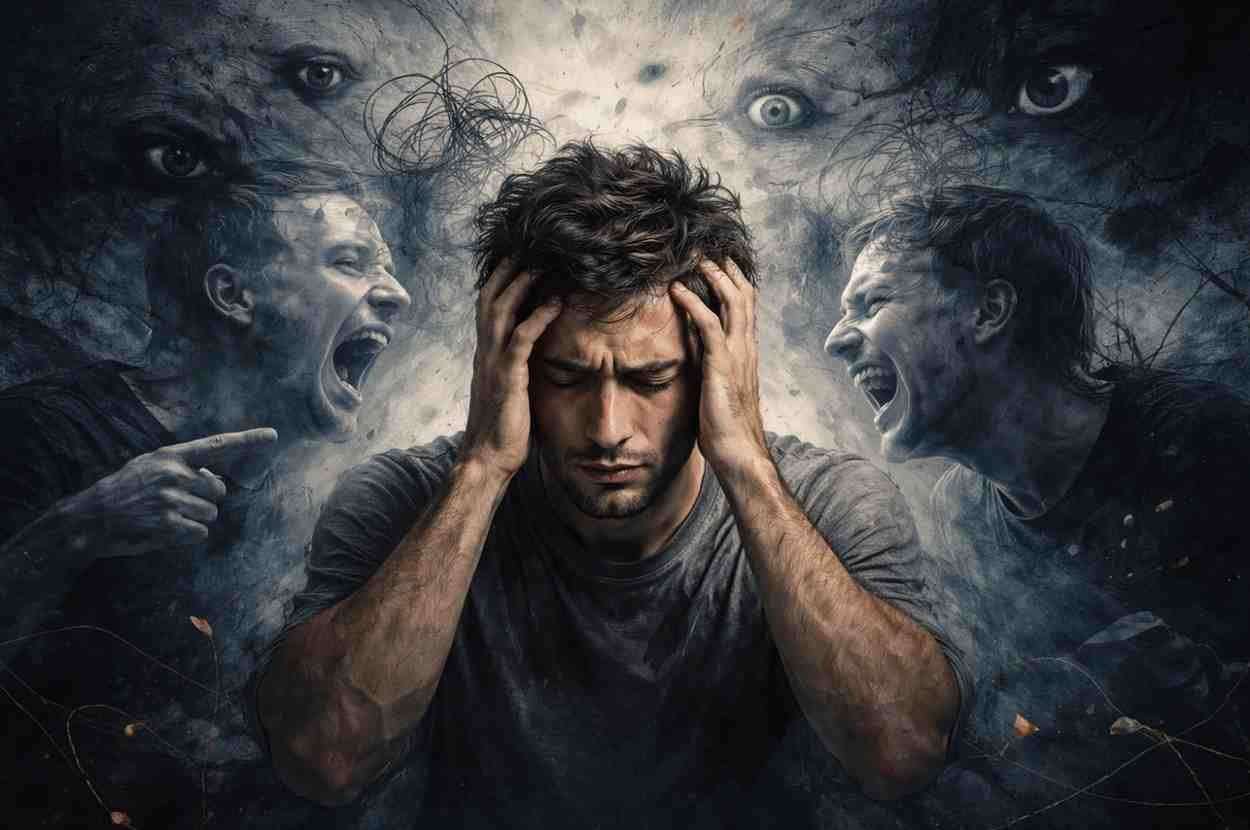


One of the most common mental health challenges faced by people in modern urban India is depression. In fast-paced cities like Mumbai and Pune, long working hours, constant pressure to perform, traffic stress, loneliness, relationship challenges, and lack of rest can quietly affect mental wellbeing.
As a mental health doctor working closely with individuals from these cities, one important fact needs to be clearly stated:
Depression is treatable, and recovery becomes easier and faster when help is taken early.
This article explains how to overcome depression in a practical, simple, and medically correct way, especially for people seeking reliable mental health care and rehabilitation support in Mumbai and Pune.
What Is Depression?
Depression is not just sadness or a bad phase.
Depression is a medical condition that affects:
- Emotions (how you feel)
- Thoughts (how you think)
- Body functions (sleep, appetite, energy)
- Brain chemicals that regulate mood
When these systems stay disturbed for a long time, daily life becomes difficult.
Important to Know
Depression can affect any age group, gender, profession, or lifestyle.
Experiencing depression is not a weakness and does not mean someone is “mentally weak”.
Common Symptoms of Depression
People experience depression differently, but common symptoms include:
- Persistent sadness or feeling empty
- Loss of interest in work, hobbies, or relationships
- Constant tiredness even after rest
- Sleep problems (sleeping too much or too little)
- Anxiety or excessive worrying
- Difficulty focusing or making decisions
- Emotional numbness (feeling disconnected)
- Feeling hopeless or helpless
If these symptoms last more than two weeks, attention is required.
How to Overcome Depression on Your Own: Basic First Steps
For mild or early-stage depression, certain self-care steps can significantly help. These steps do not replace medical treatment, but they are effective starting points.
1. Accept What You Are Feeling (Without Self-Blame)
The first step is acknowledging that something feels wrong.
Many people tell themselves:
- “Others have it worse”
- “I should be stronger”
- “This will pass”
Ignoring symptoms often makes depression worse.
👉 Accepting the problem is the beginning of healing.
2. Create a Simple Daily Routine
Depression disrupts the body’s internal clock.
A routine helps the brain feel safe and stable.
What you can do:
- Wake up and sleep at the same time daily
- Eat meals at fixed times
- Add one fixed activity daily (walk, sunlight, shower)
Even small routines help regulate mood.
3. Move Your Body Every Day
Physical movement increases natural mood-lifting chemicals in the brain.
You don’t need a gym.
Good options:
- 20–30 minutes of walking
- Light yoga or stretching
- Any activity you can repeat daily
Consistency matters more than intensity.
4. Avoid Alcohol, Smoking, and Excess Caffeine
Many people unknowingly worsen depression through substances.
- Alcohol temporarily numbs pain but increases depression later
- Nicotine increases anxiety
- Too much caffeine disturbs sleep and mood
Reducing intake often improves emotional balance within weeks.
5. Avoid Complete Social Isolation
Depression pushes people to withdraw—but isolation increases symptoms.
Try simple steps:
- Sit with family during meals
- Message one trusted person daily
- Avoid spending the entire day alone
Human connection supports recovery.
6. Control Overthinking Actively
Overthinking means repeatedly replaying negative thoughts.
This fuels depression.
Helpful practices:
- Write thoughts down instead of replaying them mentally
- Set a fixed “worry time” (15 minutes daily)
- Shift attention afterward to movement, music, or breathing
This trains the mind to disengage from negative loops.
How to Overcome Depression and Anxiety Together
Depression and anxiety often occur together.
What Is Anxiety?
Anxiety is a constant state of worry, fear, or tension—even when there is no immediate danger.
Common anxiety symptoms:
- Racing thoughts
- Restlessness
- Chest tightness
- Fear of future events
What Helps:
- Talking therapies like CBT (Cognitive Behavioral Therapy (CBT) is a type of talk therapy that helps people understand and change unhelpful thoughts and behaviours that affect emotions.)
- Breathing and stress-regulation techniques
- Lifestyle restructuring
- Medication when clinically needed
Integrated care is especially important for high-stress urban lifestyles.
How to Overcome Stress and Depression in City Life
Chronic stress is one of the biggest triggers of depression in Mumbai and Pune.
Effective stress management includes:
- Setting work-life boundaries
- Improving sleep hygiene (fixed sleep times, less screen use)
- Yoga and mindfulness
- Reducing alcohol and stimulants
- Emotional regulation therapy
Stress-related depression responds well to structured treatment.
How to Overcome Depression and Overthinking
Cognitive Behavioral Therapy (CBT) is a therapy that helps identify and change negative thinking patterns.
In simple terms, CBT helps you:
- Recognize harmful thoughts
- Replace them with balanced thinking
- Regain emotional control
Mindfulness-based therapies also help calm the mind and improve focus.
How to Overcome Breakup Depression
Relationship loss can deeply affect emotional health.
If sadness:
- Lasts for weeks
- Affects sleep, work, or appetite
- Leads to emotional numbness
Professional support is essential.
Breakup-related depression often needs:
- Emotional processing therapy
- Supportive counseling
- Monitoring for severe symptoms
Ignoring emotional pain delays healing.
When Self-Help Is Not Enough
You should seek professional help if symptoms:
- Last longer than 2–3 weeks
- Affect work, relationships, or sleep
- Include hopelessness or emotional numbness
- Keep returning despite self-care
Depression is a medical condition, and medical care improves outcomes.
Why Consult a Mental Health Doctor?
A psychiatric consultation helps:
- Assess the severity of depression
- Rule out physical causes
- Identify anxiety or addiction overlap
- Create a personalized treatment plan
Early treatment leads to faster and more complete recovery.
Why Choose a Mental Health Rehabilitation Centre?
For moderate to severe depression, rehab centres offer structured healing.
Benefits include:
- Psychiatrist-led care
- Daily therapy sessions
- Medication monitoring
- Stress and relapse prevention
- Safe, supportive environment
- Treatment for co-occurring addiction
Treatment at Calida Rehabilitation Centre
At Calida Rehabilitation Centre, depression is treated as a medical condition, not a personal failure.
Care includes:
- Evidence-based psychiatric treatment
- Psychological therapy
- Structured daily routines
- Long-term recovery planning
Why Local Treatment in Mumbai & Pune Matters
Local care ensures:
- Easy follow-ups
- Family involvement
- Cultural familiarity
- Faster emergency support if needed
Patients recover better when care is accessible, continuous, and supportive.
One of the most common mental health challenges faced by people in modern urban India is depression. In fast-paced cities like Mumbai and Pune, long working hours, constant pressure to perform, traffic stress, loneliness, relationship challenges, and lack of rest can quietly affect mental wellbeing.
As a mental health doctor working closely with individuals from these cities, one important fact needs to be clearly stated:
Depression is treatable, and recovery becomes easier and faster when help is taken early.
This article explains how to overcome depression in a practical, simple, and medically correct way, especially for people seeking reliable mental health care and rehabilitation support in Mumbai and Pune.
What Is Depression? (In Simple Words)
Depression is not just sadness or a bad phase.
Depression is a medical condition that affects:
- Emotions (how you feel)
- Thoughts (how you think)
- Body functions (sleep, appetite, energy)
- Brain chemicals that regulate mood
When these systems stay disturbed for a long time, daily life becomes difficult.
Important to Know
Depression can affect any age group, gender, profession, or lifestyle.
Experiencing depression is not a weakness and does not mean someone is “mentally weak”.
Common Symptoms of Depression
People experience depression differently, but common symptoms include:
- Persistent sadness or feeling empty
- Loss of interest in work, hobbies, or relationships
- Constant tiredness even after rest
- Sleep problems (sleeping too much or too little)
- Anxiety or excessive worrying
- Difficulty focusing or making decisions
- Emotional numbness (feeling disconnected)
- Feeling hopeless or helpless
If these symptoms last more than two weeks, attention is required.
How to Overcome Depression on Your Own: Basic First Steps
For mild or early-stage depression, certain self-care steps can significantly help. These steps do not replace medical treatment, but they are effective starting points.
1. Accept What You Are Feeling (Without Self-Blame)
The first step is acknowledging that something feels wrong.
Many people tell themselves:
- “Others have it worse”
- “I should be stronger”
- “This will pass”
Ignoring symptoms often makes depression worse. Accepting the problem is the beginning of healing.
2. Create a Simple Daily Routine
Depression disrupts the body’s internal clock.
A routine helps the brain feel safe and stable.
What you can do:
- Wake up and sleep at the same time daily
- Eat meals at fixed times
- Add one fixed activity daily (walk, sunlight, shower)
Even small routines help regulate mood.
3. Move Your Body Every Day
Physical movement increases natural mood-lifting chemicals in the brain.
You don’t need a gym.
Good options:
- 20–30 minutes of walking
- Light yoga or stretching
- Any activity you can repeat daily
Consistency matters more than intensity.
4. Reduce Alcohol, Smoking, and Excess Caffeine
Many people unknowingly worsen depression through substances.
- Alcohol temporarily numbs pain but increases depression later
- Nicotine increases anxiety
- Too much caffeine disturbs sleep and mood
Reducing intake often improves emotional balance within weeks.
5. Avoid Complete Social Isolation
Depression pushes people to withdraw—but isolation increases symptoms.
Try simple steps:
- Sit with family during meals
- Message one trusted person daily
- Avoid spending the entire day alone
Human connection supports recovery.
6. Control Overthinking Actively
Overthinking means repeatedly replaying negative thoughts.
This fuels depression.
Helpful practices:
- Write thoughts down instead of replaying them mentally
- Set a fixed “worry time” (15 minutes daily)
- Shift attention afterward to movement, music, or breathing
This trains the mind to disengage from negative loops.
How to Overcome Depression and Anxiety Together
Depression and anxiety often occur together.
What Is Anxiety?
Anxiety is a constant state of worry, fear, or tension—even when there is no immediate danger.
Common anxiety symptoms:
- Racing thoughts
- Restlessness
- Chest tightness
- Fear of future events
What Helps:
- Talking therapies like CBT
- Breathing and stress-regulation techniques
- Lifestyle restructuring
- Medication when clinically needed
Integrated care is especially important for high-stress urban lifestyles.
How to Overcome Stress and Depression in City Life
Chronic stress is one of the biggest triggers of depression in Mumbai and Pune.
Effective stress management includes:
- Setting work-life boundaries
- Improving sleep hygiene (fixed sleep times, less screen use)
- Yoga and mindfulness
- Reducing alcohol and stimulants
- Emotional regulation therapy
Stress-related depression responds well to structured treatment.
How to Overcome Depression and Overthinking
Cognitive Behavioral Therapy (CBT) is a therapy that helps identify and change negative thinking patterns.
In simple terms, CBT helps you:
- Recognize harmful thoughts
- Replace them with balanced thinking
- Regain emotional control
Mindfulness-based therapies also help calm the mind and improve focus.
How to Overcome Breakup Depression
Relationship loss can deeply affect emotional health.
If sadness:
- Lasts for weeks
- Affects sleep, work, or appetite
- Leads to emotional numbness
Professional support is essential.
Breakup-related depression often needs:
- Emotional processing therapy
- Supportive counseling
- Monitoring for severe symptoms
Ignoring emotional pain delays healing.
When Self-Help Is Not Enough
You should seek professional help if symptoms:
- Last longer than 2–3 weeks
- Affect work, relationships, or sleep
- Include hopelessness or emotional numbness
- Keep returning despite self-care
Depression is a medical condition, and medical care improves outcomes.
Why Consult a Mental Health Doctor?
A psychiatric consultation helps:
- Assess the severity of depression
- Rule out physical causes
- Identify anxiety or addiction overlap
- Create a personalized treatment plan
Early treatment leads to faster and more complete recovery.
Why Choose a Mental Health Rehabilitation Centre?
For moderate to severe depression, rehab centres offer structured healing.
Benefits include:
- Psychiatrist-led care
- Daily therapy sessions
- Medication monitoring
- Stress and relapse prevention
- Safe, supportive environment
- Treatment for co-occurring addiction
Treatment at Calida Rehabilitation Centre
At Calida Rehabilitation Centre, depression is treated as a medical condition, not a personal failure.
Care includes:
- Evidence-based psychiatric treatment
- Psychological therapy
- Structured daily routines
- Long-term recovery planning
Why Local Treatment in Mumbai & Pune Matters
Local care ensures:
- Easy follow-ups
- Family involvement
- Cultural familiarity
- Faster emergency support if needed
Patients recover better when care is accessible, continuous, and supportive.
Answers to Frequently Asked Questions
Early depression may show up as persistent sadness, loss of interest in activities or people you usually enjoy, difficulty sleeping, fatigue, anxiety, and trouble concentrating. Recognizing these early signs can help you seek treatment sooner.
For mild depression, lifestyle changes can help. Regular exercise, stress reduction techniques, mindfulness, and improving daily routines can reduce symptoms. However, moderate-to-severe depression usually requires professional treatment.
If feelings of depression last for 2 weeks or more and affect your daily functioning, it’s important to consult a psychiatrist. Early intervention improves recovery outcomes.
Rehab is recommended for moderate or severe depression, recurring episodes, anxiety, addiction, or suicidal thoughts. A structured rehab program provides professional care, therapy, and a safe environment for recovery.
Treatment duration varies. Some patients improve within a few weeks, while others may require several months of structured care. Continuous follow-up and adherence to therapy are key to long-term recovery.
Calida Rehab offers doctor-led, medically supervised mental care and deaddiction programs. Our approach combines therapy, lifestyle guidance, and personalized treatment plans in a supportive environment. We focus on sustainable recovery and relapse prevention, ensuring you get the best care tailored to your needs.