Bipolar Disorder Treatment
1–2%
Global population affected by Bipolar Disorder (WHO estimate)
1 in 40
ndians currently living with Bipolar Disorder
70–80%
Patients improve significantly with structured treatment
50–60%
Treatment Gap in India: Patients do not receive consistent or adequate care
Introduction
Bipolar disorder treatments start with recognising early symptoms. The sooner the bipolar disorder treatment gets easier it gets for the patient to effectively manage the situation. With timely medical intervention, symptoms can be controlled to lead a more comfortable life.
Read on to learn more about bipolar disorder and what all makes Calida Rehab Centre one of the best treatment centres for bipolar disorder.
What Does Treatment Include?
Psychotherapies are essential for patients to recover from the disorder. Mental health experts at Calida Rehab Centre start the treatment once the diagnosis is complete. To complete the bipolar disorder treatment at home, mental health professionals first determine the kind of bipolar disorder a person has. It is only then that the medication and therapies are determined.
Core Treatment Approaches
Cognitive Behavioural Therapy (CBT)
CBT helps in the identification of negative thoughts and behaviours linked to depression. Psychologists teach skills to challenge unhelpful thinking. They aim to develop healthy coping mechanisms to support long-term emotional stability. CBT is also a part of bipolar 2 disorder treatment.
Family-Focused Therapy
Family-focused therapy educates patients and families about bipolar disorder. The aim is to address the taboo, if any, and strengthen communication between the patients and their loved ones. Mental health experts at Calida Rehab Centre help to reduce the conflict between the patient and their families and make symptom management easier.
Self-Care Psychotherapy
For patients to live a normal life independently, mental health experts also opt for self-care psychotherapy. Patients are encouraged to include self-care habits in their routine and manage stress independently without reacting. The aim is to help maintain and manage emotional balance and lower the frequency of episodes.
Bipolar Disorder Treatment at Home
To manage bipolar disorder treatment without medication, a patient needs immense willpower. Here are a few ways mental health experts help a patient follow bipolar disorder treatment at home:
Identify Triggers and Stressors
Patients are trained to note when stress increases. They are counselled to identify people, places or things that affect a patient’s mood. Early awareness of depression or mania presents an escalation of the problem. The aim is to manage disruptive behaviour and lead a normal life.
Rehabilitation Care
- Calida Rehab Centre offers structured and compassionate rehabilitation for patients with bipolar disorder.
- The program focuses on mood stabilisation, medication support and routine building. Care plans are personalised for each patient and a relevant diet is framed.
- The aim is to support long-term stability and improve the functioning of the patient by recognising the triggers.
Supportive Intervention
A disciplined routine stabilises mood and introduces consistency in routine. With such a bipolar disorder natural treatment, the circadian rhythm gets restored. Being the most effective treatment for bipolar disorder, it keeps a patient active throughout the day. Aerobic exercises support body rhythms and make deep breathing easier. Vulnerability to depression goes down and manic shifts get less erratic.
Supportive relationships help maintain emotional stability. Socially active friends can uplift mood during depressive phases whereas call ones can reduce manic tendencies. At Calida Rehab, patients can speak with their friends and family. These are essential healing activities under bipolar disorder treatment in homoeopathy and ayurvedic treatment for bipolar disorder.
Aftercare and Relapse Prevention
Consumption of drugs and alcohol causes irregularization of emotional balance. Substance abuse worsens symptoms and interferes with the effectiveness of medications. Drugs and alcohol provide a quick exit from reality and increase the chances of making wrong decisions.
Recognising patterns and symptoms from previous episodes helps identify early warning signs. Patients recognise minor sleep changes and repeated phrases can signal the onset. However, trusted supporters can help monitor symptoms.
Treatment Duration
Initial Improvement: The initial improvement takes 2 weeks to 6 weeks.
Active Treatment: The active treatment takes 2 months to 6 months.
Maintenance: Long-term treatment lasts between 12 months to 24 months.
Rehab: If needed, rehabilitation takes 30 days to 180 days.
The timeline of the treatment varies based on episode type (mania/depression), severity and individual response to treatment. Medication and therapy at Calida Rehab Centre is guided by a licensed mental health professional.
Call our 24-hour free confidential helpline.
Treatments
Treatment Pathway
Stage | What Happens? |
Assessment | A comprehensive psychiatric evaluation and mood history of a person is studied. A diagnosis confirmation is also done. |
Stabilisation | Mood stabilisers and antipsychotics are prescribed. Patients are and therapists are provided with psychoeducation. |
Acute Phase | Targeted treatment is provided for manic, hypomanic or even depressive episodes. |
Active Management | Consistent medication management is done along with psychotherapy. |
Review | Mood patterns are regularly reviewed and side effects of medication are tracked. Adjustments are planned accordingly. |
Maintenance | Long-term stabilisation is the aim of the treatment. Relapse prevention is discussed with the patient and periodic follow-ups are arranged. |
When Is Rehab Recommended?
Here are certain potent signs and symptoms which need immediate attention:exhibited by patients suffering from bipolar disorder:
- A patient must consult a therapist when he or she rapidly shifts between multiple thought processes. A patient tends to appear creative or insightful but is not able to process information.
- Patients are detached from reality, often requiring immediate medical attention. They suffer from impaired judgement and dangerous or irrational behaviour.
- Impaired judgement causes impulsive behaviour. Patients indulge in risky activities like overspending, gambling or even hypersexuality. Patients experiencing these symptoms must consult a therapist as it can lead to serious emotional, financial and intellectual degradation.
- Patients may suffer from intense and prolonged surges of energy. They experience sudden bursts of anger that switch unpredictably leading to emotional instability and interpersonal difficulties.
- Patients must consult a therapist when manic energy reduces the need for sleep. Patients may feel like staying awake for long periods. They do not feel tired and are driven constantly by heightened activity. Patients end up feeling restless and cannot perform properly.
Treatment Cost Guide
Service | Expected Range |
Psychiatric Consultation | Rs 500 – Rs 3,000 |
Medication | Rs 1,500 – Rs 15,000 per month |
Therapy Session | Rs 1,000 – Rs 5,000 per session |
Residential/Rehab Program | Rs 25,000 – Rs 2,50,000 per month |
The cost of the treatment varies based on duration of the treatment, medication prescribed and the level of care needed by the patient.
Most Suitable Treatment Option Based on Case Type
Case Type | Recommended Approach |
Bipolar I Disorder | Therapists prescribe mood stabilisers and antipsychotics under close supervision. |
Bipolar II Disorder | Mood stabilisers are prescribed with a therapy-centric approach. Patients are prescribed antidepressants but under strict supervision. |
Cyclothymic Disorder | Psychotherapy is administered along with a low dosage of mood stabilisers. Lifestyle and routine is regulated. |
Rapid Cycling Bipolar Disorder | Combination of mood stabilisers and antipsychotics is opted for. Patients frequently review and monitor patient progress. |
Bipolar Disorder with Dual Diagnosis | Integrated psychiatric care and substance use treatment give structured rehabilitation care to patients. |
Start Treatment
Take a step forward and opt for our confidential consultation with the best therapists. Our professional therapists will help you understand various treatment options available and plan the next step accordingly.
Appointments may be booked via call, a WhatsApp message or even mail. Treatment plans vary as per individual. Medication and therapy is provided under the supervision of a licensed mental health expert.
Got Questions About Our Treatment Programs?
Find answers to common questions about our treatment programs, admission process, and what to expect during your recovery journey
What are the symptoms of Bipolar Disorder?
How is bipolar disorder treated?
What is the difference between depression and bipolar disorder?
Can you live a normal life with bipolar?
How can I manage bipolar disorder?
Experts Who Will Guide Your Recovery

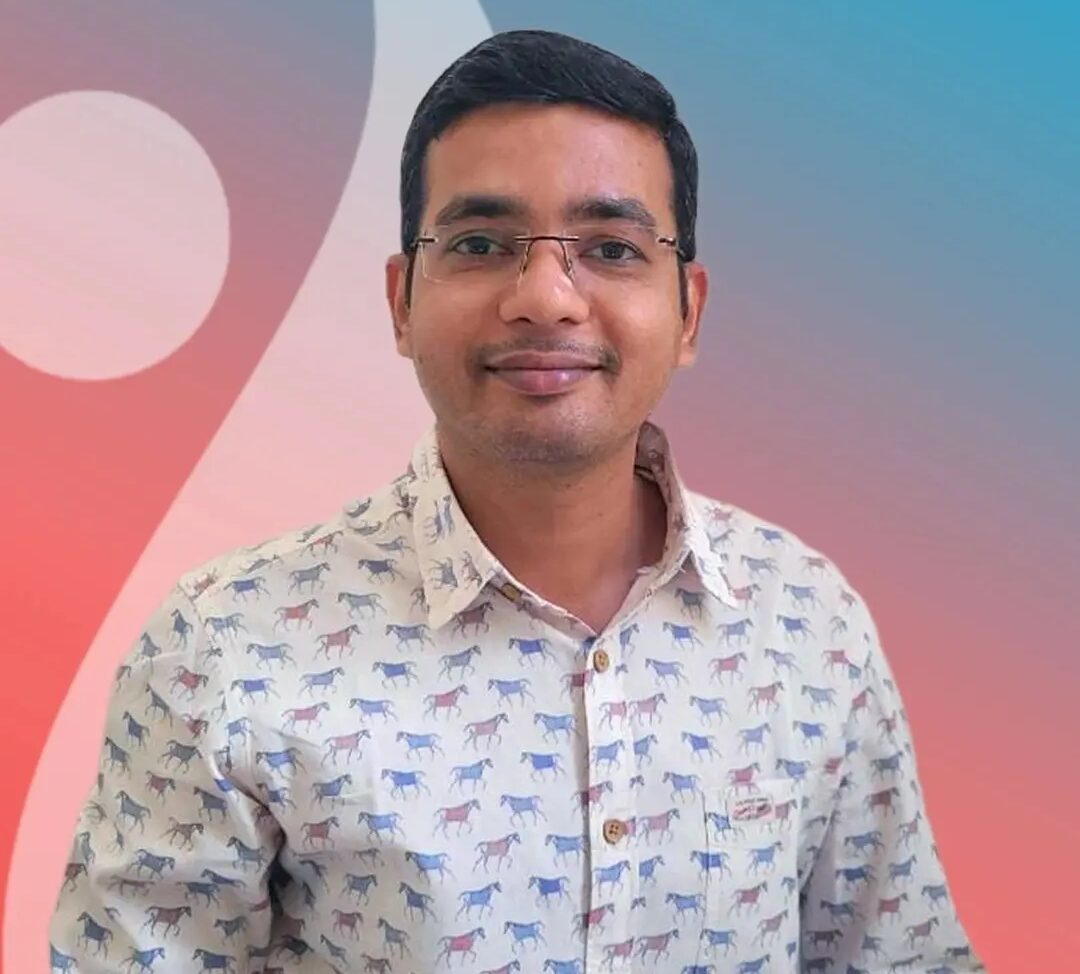
Dr. Prashant Dasud
Designation: M.D. (Psychiatry)
Experience: 14+
Illnesses:
Depression & Mood Disorders, Anxiety Disorders, Bipolar Disorder, Schizophrenia & Psychotic Disorders, OCD, Drug & Alcohol Addiction, Sleep Disorders
Geriatric Mental Health Issues

Dr. Santosh Pawar
Designation: M.D. (Radiodiagnosis)
Experience: 12+
Illnesses:
CT / MRI, Dementia & Memory Disorder, Neuro-radiological Evaluation, pine & Nerve Imaging,Head Injury & Neurological, Diagnostic Support for Mental Health
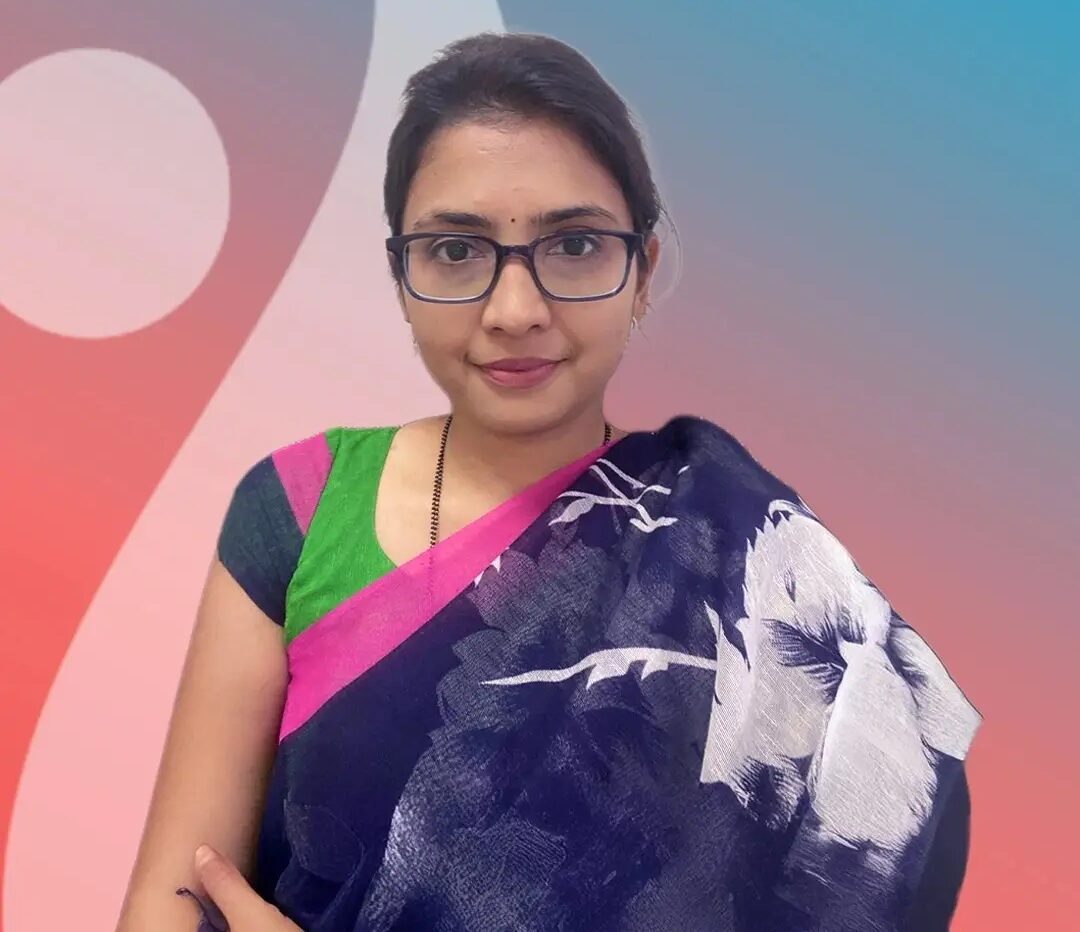
Dr. Neha Shetty
Designation: M.D. (Psychiatry)
Experience: 11+
Illnesses:
Depression, Anxiety Disorders, Bipolar Disorder, Schizophrenia & Psychosis, OCD, Drug Addiction,Mental Health Issues