ADHD Behaviour Disorder Treatment
Attention-Deficit/Hyperactivity Disorder or ADHD is a common neurodevelopmental condition that affects children and often continues into adulthood. ADHD is characterised by inattention, hyperactivity and impulsivity that interfere with daily life. Read on to learn more about the best ADHD treatment in India that ensures long-term recovery.
5%
Global children affected by ADHD (WHO estimate range 5–7%).
1 in 14
About 1 in 14 children has ADHD.
60–80%
Children improve significantly with structured therapy + behavioural interventions + medication.
70%
Treatment gap: Majority of children with ADHD in India remain undiagnosed or untreated.
Introduction- Understanding ADHD
ADHD can significantly impact academic performance, relationships and overall functioning of a patient. Without proper management, the disorder may lead to low self-esteem, social difficulties and heightened sensitivity to criticism among children and adults.
ADHD Symptoms in Adults
1. Predominantly Inattentive Type
Involves persistent difficulty with focus. Patients are not able to organise their thoughts, listen properly and complete a given task. Patients are easily distracted, become forgetful and are more prone to careless mistakes.
2. Predominantly Hyperactive-Impulsive Type
Patients move around excessively and become restless. They are talkative, more impulsive than normal and perform actions with hyperness. They interrupt others, struggle to wait for their turn and act without any consideration.
3. Combination of both
Patients meet criteria for both. They suffer from difficulty with focusing, organising, settling down in a place and exhibit impulsive behaviours across multiple settings.
What Are The Types of ADHD Treatment in India?
1. ADHD Treatment Medication
Stimulant medication, also known as psychostimulants, is the most commonly prescribed treatment for Attention Deficit Hyperactivity Disorder. These drugs work by increasing and balancing neurotransmitters in the brain, helping reduce inattention. Patients are able to treat their hyperactivity and impulsivity, often in a short span of time.
Therapists and neurologists generally prescribe amphetamines and methylphenidate depending on the condition of the patient. Such ADHD treatment medication comes in short and long-acting forms, including patches. Dosage is adjusted over time, especially if side effects show up. Regular consultation with a healthcare professional ensures safe and effective treatment.
2. Psychotherapy
The best ADHD treatment in India comprises therapy and ADHD treatment medication. Since other conditions like depression and anxiety may accompany ADHD, mental health professionals have to be cautious when prescribing medication or therapy. Here are other types of ADHD treatment that include therapy along with the above-mentioned medication:
Behaviour Therapy
Along with ADHD treatment medication, behaviour Therapy focuses on teaching practical strategies to manage challenging behaviours. Parents and teachers learn to adopt structured techniques like reward systems and time-outs to encourage positive actions. This ADHD treatment exercise ensures independent self-control and reinforces desirable behaviour. Patients are trained to respond appropriately in school, at home, and various social settings.
Social Skills Training
Types of ADHD treatment include social skills training that helps patients develop appropriate ways to interact. Through guided practice and modelling, patients learn to communicate more effectively, cooperate, and resolve conflicts more effectively. This ADHD treatment aims to improve peer relationships and boost confidence to behave appropriately in social settings. Mental health practitioners help reduce misunderstandings that may arise from impulsive or inattentive behaviours.
Parenting Skills Training
When combined with ADHD treatment medication, parenting skills equip caregivers with effective tools to understand a child’s behaviour. Parents adopt structured disciplining methods and provide them with consistent routines. This ADHD treatment exercise aims to reduce the frustration and helplessness of patients and promote further emotional growth.
Talk Therapy
Also called Psychotherapy, the treatment provides older children with a safe space for discussing emotions and facing challenges independently. The aim is to further emotional resilience and manage symptoms of ADHD better.
Family Therapy
Family Therapy addresses the broader impact of ADHD on family dynamics. This ADHD treatment exercise aims to ensure open communication and mutual understanding among family members. By working closely with the mental health expert, families reduce conflicts, strengthen relationships, and create a consistent support system.
3. Rehabilitation Care
ADHD treatment in India includes multidisciplinary support to improve daily functioning. Academic assistance and medication management further help a patient feel better. The aim is to improve attention span, ensure self-regulation, and build on social skills. Long-term coping strategies help a patient navigate problems at the workplace or at school.
4. Supportive Intervention
Supportive intervention entails ongoing emotional, educational, and practical assistance to patients. Building a proper routine and maintaining discipline are part of skill-building programs. The aim is to manage symptoms effectively and promote a positive relationship among individuals. Consistent guidance is provided across different life settings.
5. Aftercare & Relapse Prevention
Aftercare and relapse prevention focus on the prevention of the relapse of symptoms. The best ADHD treatment in India includes regular follow-up, consistent monitoring of patients, and framing of structured routines. Timely stress management and trigger recognition help a patient to develop coping strategies independently.
ADHD Treatment Pathway
Stage | What Happens |
Assessment | Patient behaviour is assessed thoroughly in various settings. Therapists identify the triggers, frequency of mood swings and behaviour around loved ones. The patient’s personal life is also assessed. |
Stabilisation | Psychotherapy is started by professionals. The aim is to lower the intensity of symptoms. However, safety and comfort of patients are also ensured as many patients are not aware about the condition. |
Active Phase | Regular therapy sessions are held, however, medication may not be prescribed immediately. Patients accept the condition and start managing triggers independently. The aim is to help them behave calmly. |
Review | Progress is carefully monitored so that patients behave normally during stressful conditions. The treatment is adjusted based on improvement of the condition. The side-effects of medication, if any, is assessed. Therapy for emotional well-being is now initiated. |
Maintenance | Intermittent therapy sessions ensure proper well-being of patients. This step is essential to prevent relapse of the patient. |
Treatment Duration
Initial improvement: Patients develop a general understanding of the condition in the first few weeks. Change is noticeable in the first 2–8 weeks of the treatment as patients start controlling their behaviour and are more conscious.
- Active treatment: This stage of the treatment lasts the first 3–6 months, wherein patients start having the prescribed medication and start going for therapy.
- Maintenance: Patients are monitored continuously to prevent worsening of symptoms. This supervision may continue for 6–24+ months, depending on the behaviour of the patient. Patients are gradually trained to manage their actions and behaviour independently.
- Rehab: In case patients do not feel better within 30-180 days of completion of psychotherapy sessions, rehab is initiated. Therapists might restart the therapy and even prescribe medication depending on the severity of the problem.
When Is Rehab Recommended?
Rehab is highly recommended in case symptoms persist once the counselling sessions are over. It becomes essential under the following circumstances:
- Getting aggressive, impulsive, or suffering from severe outbursts frequently.
- Patients fail severely in academics, withdraw from society, or have low self-esteem.
- In case symptoms do not improve with medication or outpatient therapy, therapists recommend rehabilitation.
- Rehab is also recommended if patients suffer from anxiety, depression, or suicidal thoughts. Rehabilitation becomes inevitable in case patients adopt self-harming behaviours.
Under the above mentioned circumstances, intensive multidisciplinary care is highly recommended.
Treatment Cost Guide
Service | Expected Range |
Psychiatrist Consultation | Rs 500 – Rs 3000 |
Medication | Rs 1,500 – Rs 15,000/month |
Therapy Session | Rs 1,000 – Rs 5,000/session |
Residential / Rehab Program | Rs 25,000 – Rs 2,50,000/month |
Cost varies based on the duration of the treatment, category of medication, therapist expertise, and the level of care needed by a patient.
Call our 24-hour free confidential helpline.
Treatments
Most Suitable Treatment Option Based on Case Type
Case Type | Suitable ADHDTreatment Approach |
Mild | Psychotherapy and behaviour observation sessions are introduced at this stage. Medication is not prescribed. |
Moderate | Psychotherapy and minor medication is administered. Sessions are arranged at regular intervals to address the discomfort of the family and of the patient. Regular group sessions are included. |
Severe/Chronic | Intensive treatment is initiated. Patients are kept under strict supervision, counselling sessions are organised and strong medication is prescribed. |
Dual Diagnosis | Patients suffering from other mental health conditions are offered integrated treatment plans. Residential treatment, medication and dedicated therapeutic care is recommended. |
ADHD treatment is decided based upon the conclusion drawn by therapists, psychiatrists and counselors in case of young kids.
Start Treatment
Begin your treatment plan with a confidential consultation with the best therapist. Feel free to call us, message us on WhatsApp or book an appointment online. You can even request for a treatment plan via mail.
However, treatment plans depend on the condition of the patient. Medication and therapy are always provided under the supervision of a licensed mental health professional.
Frequently Asked Questions
Find answers to common questions about our treatment programs, admission process, and what to expect during your recovery journey
Is there any ADHD treatment without medication?
Yes. ADHD can be managed without medication. However, psychotherapy is essential. Medication is only prescribed in case the patient is suffering from acute ADHD and needs rehabilitation.
By what time is the improvement among patients noticeable?
Improvement is generally noticeable within the first 3 weeks once the medication starts. With therapy in itself, gradual progress appears over several months. Symptom management is effectively done over time and structured coping strategies are introduced for independent management of disorder.
What is the duration of the treatment for ADHD?
The duration of the treatment depends on the severity of the problem. While some patients require medical intervention throughout their lives, others might need it once in their lives. Medication adjustment is also done regularly.
Is there any treatment plan available for full-time employees who cannot leave their jobs?
Yes. Once a patient is able to manage his or her behaviour independently, therapists can arrange online therapy sessions with them. Medication management and intermittent supervision of patients is done for their betterment.
Experts Who Will Guide Your Recovery
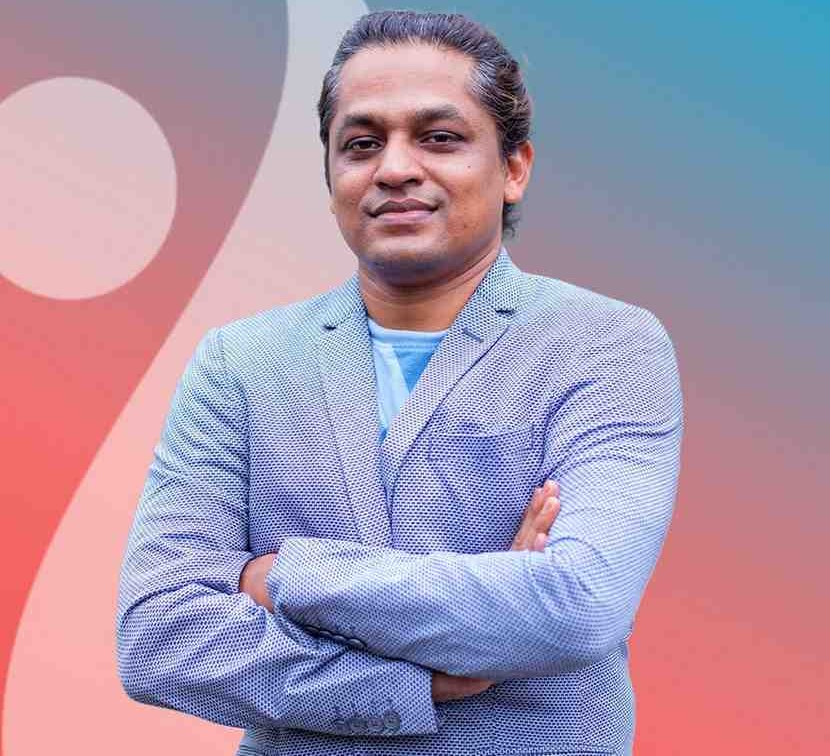
Dr. Prashant Dasud
Designation: M.D. (Psychiatry)
Experience: 14+
Illnesses:
Depression & Mood Disorders, Anxiety Disorders, Bipolar Disorder, Schizophrenia & Psychotic Disorders, OCD, Drug & Alcohol Addiction, Sleep Disorders
Geriatric Mental Health Issues

Dr. Santosh Pawar
Designation: M.D. (Radiodiagnosis)
Experience: 12+
Illnesses:
CT / MRI, Dementia & Memory Disorder, Neuro-radiological Evaluation, pine & Nerve Imaging,Head Injury & Neurological, Diagnostic Support for Mental Health
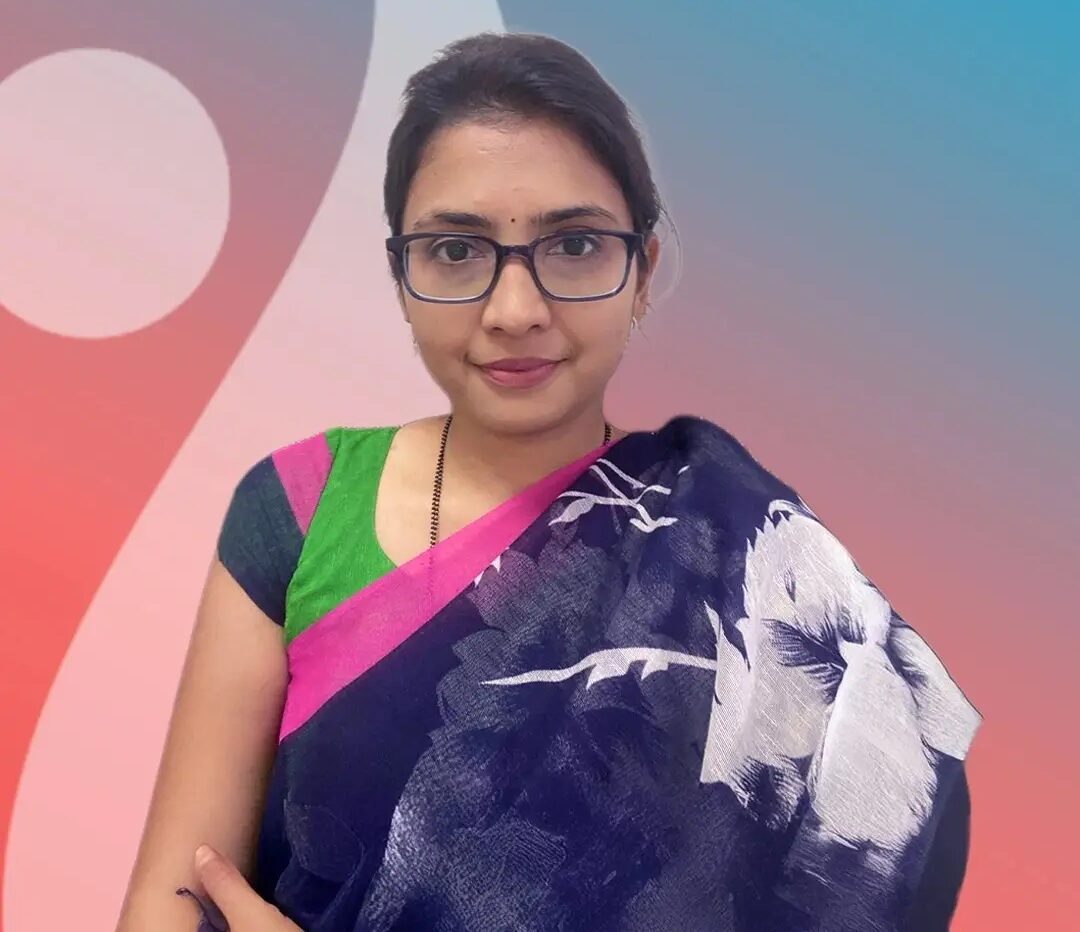
Dr. Neha Shetty
Designation: M.D. (Psychiatry)
Experience: 11+
Illnesses:
Depression, Anxiety Disorders, Bipolar Disorder, Schizophrenia & Psychosis, OCD, Drug Addiction,Mental Health Issues