
When a child starts refusing school, a teenager stops talking to the family, or a seven-year-old has daily meltdowns that feel impossible to manage, most parents do not immediately think of a mental health professional. They think they are failing, or that it is a phase. Sometimes it does. Often, it does not.
Child and adolescent psychiatry is the branch of medicine that assesses, diagnoses, and treats mental, emotional, and behavioural conditions in young people from early childhood to age eighteen. It is not about labelling children as if something is wrong with them. It is about understanding what is the root cause of their distress and giving them the right support before those difficulties become something harder to treat.
According to the National Mental Health Survey of India, around 7.3% of children between thirteen and seventeen years have a diagnosable mental health condition. Today, nearly 50 million Indian children are living with some form of mental disorder. The majority never access care.
Common Mental Health Conditions in Children
Understanding what child mental health services actually treat helps parents recognise when their child’s struggles go beyond typical growing pains.
Anxiety is the most frequently seen condition in children and shows up as persistent worry, stomach aches before school, avoidance of social situations, or panic attacks. It is not shyness or oversensitivity. It is a genuine mental health condition that responds well to therapy.
ADHD affects a child’s ability to focus, regulate impulses, and manage activity levels. In the classroom, it is often misread as laziness or defiance. At home, it shows up as incomplete tasks, constant fidgeting, and emotional outbursts. Proper assessment separates ADHD from other causes of inattention and opens the door to effective, targeted intervention.
Autism Spectrum Disorder affects social communication, sensory processing, and flexibility of thinking. Early diagnosis, before the age of five if possible, significantly changes the trajectory of a child’s development.
Some common mental health diseases in adolescents
Depression in children does not always look like sadness. An irritable, withdrawn child who has lost interest in things they used to love, whose school performance has dropped, and who makes comments about being a burden may be experiencing clinical depression. Adolescent depression in particular carries serious risk when ignored.
Behavioural conditions, including Oppositional Defiant Disorder and Conduct Disorder, involve patterns of defiance, aggression, or rule-breaking that cross a clinical threshold. These conditions are not the result of poor parenting. They are neurodevelopmental and psychiatric in nature.
Learning disabilities, childhood trauma responses, eating disorders, and academic anxiety complete the picture of why specialised mental health services for children need to exist as a distinct category of care.
Why Are Specialised Child Mental Health Services Different?
A child psychiatrist is not simply a general psychiatrist who sometimes sees younger patients. The training is fundamentally different.
Child and adolescent mental health requires an understanding of how developmental stage affects the presentation of every condition. A six-year-old with anxiety looks nothing like a sixteen-year-old with anxiety. The diagnosis, the way it is explained to the child, the therapies used, the role of parents in treatment, and the decision about whether medication is appropriate all change based on age and development.
Adult psychiatry does not account for these variables adequately. A child seen through an adult lens can be misdiagnosed, overtreated, or undertreated. A child specialist mental health specialist brings a calibrated clinical approach that the general psychiatric setting cannot replicate.
Signs Your Child May Need a Mental Health Assessment
Parents often know something is wrong before they know what to call it. These signs need a professional evaluation:
- Persistent mood changes lasting more than two weeks
- Withdrawal from people or activities they previously enjoyed
- Noticeable drop in academic performance
- Physical complaints like headaches or stomach pain with no medical cause
- Significant sleep or appetite changes
- Expressions of hopelessness
- Self-harm in older children.
None of these alone confirms a diagnosis. However, these are reasons to speak to a child mental health specialist as soon as possible.
Therapies and Activities Used in Child Mental Health
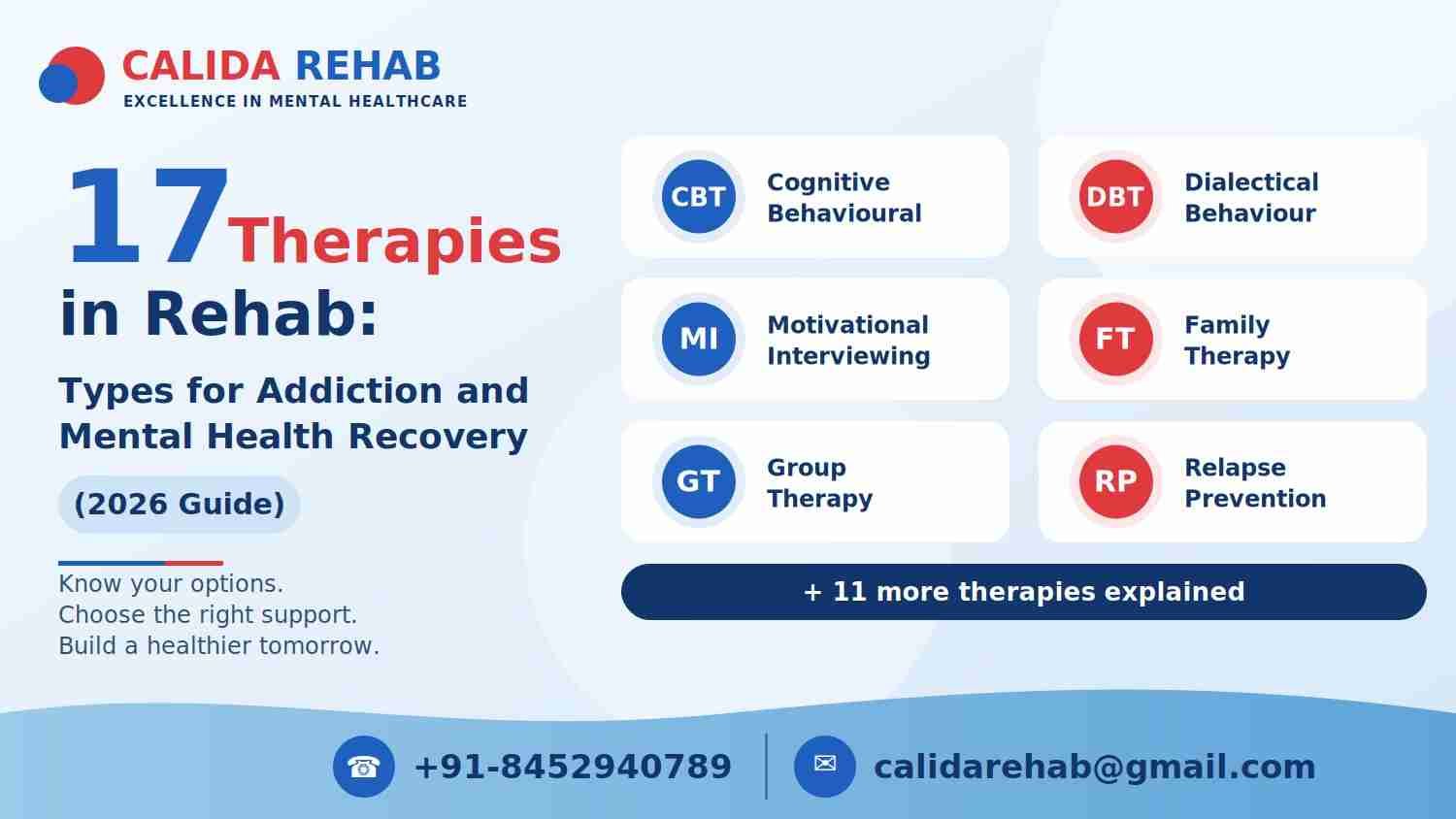
Activities to learn child mental health are important to how good treatment centres approach recovery in young people.
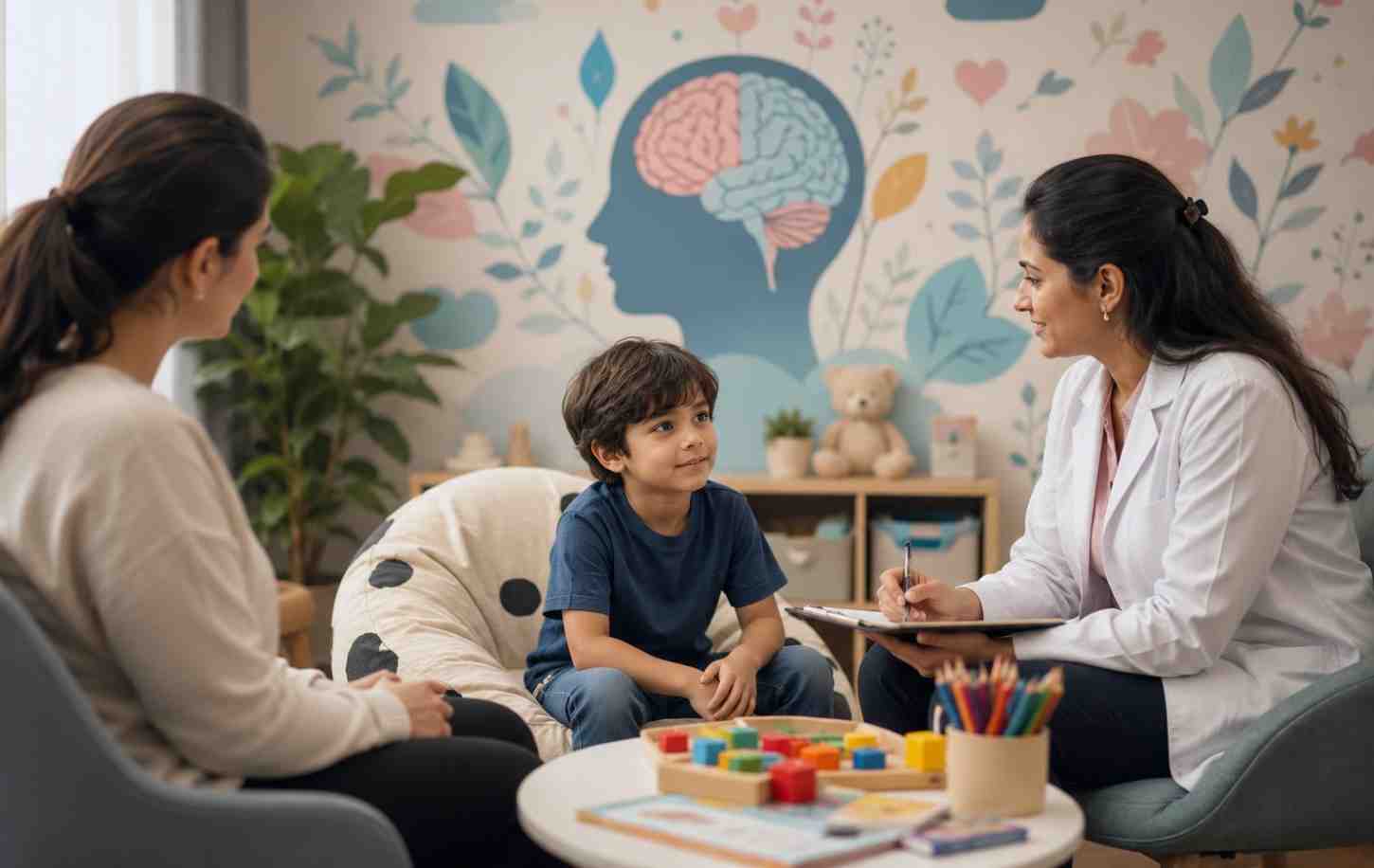
- Play therapy is used with younger children who are not able to express themselves verbally. Children are taught to process difficult experiences, express emotions, and build the language to talk about what they feel through different structured activities and games.
- Cognitive Behavioural Therapy, used for both children and adolescents, helps young people identify the thought patterns causing their anxiety or low mood and learn practical strategies to challenge them. It is one of the most evidence-based interventions for childhood anxiety and depression.
- Behavioural therapy uses reinforcement strategies to reduce harmful patterns and build positive habits. Parents are trained to apply these strategies at home as well.
- Family therapy involves understanding the child’s relationship with his parents and siblings and identifying the causes of their difficulty. It is not about blame. It is about giving the whole family the tools to support recovery together.
- Art therapy, movement therapy, and social skills groups are other methods to help children understand emotional expression, particularly for children who struggle with verbal communication or have experienced trauma.
What Makes a Good Centre for Child and Adolescent Psychiatry?
When looking for a centre for child and adolescent psychiatry, the environment of the place matters as much as the credentials on the wall.
The space should feel safe and calm for a child walking in for the first time. The team should have professionals with training in child and adolescent psychiatry, not generalist clinicians. Treatment plans should be personalized for each child based on the difficulties they are facing. Parents should be kept in the loop at every stage and treated as partners rather than observers. Additionally, confidentiality should be handled thoughtfully, particularly with teenagers who need to trust that the space is genuinely private and that they can share their feelings without hesitation.
Specialised Child and Adolescent Mental Health Care in Pune and Mumbai
Calida Rehab, with centres in Baner, Pune, and Karjat near Mumbai, offers specialised mental health services for children and adolescents as part of a comprehensive psychiatric programme. The centre is led by Dr. Prashant Dasud, who holds an M.D. in Psychiatry with a Post-Doctoral Fellowship in Child and Adolescent Psychiatry. This gives them the expertise needed to treat children with the specific tools needed to treat children suffering from mental health disorders.
Calida’s child and adolescent programme includes clinical assessment and diagnosis, individual therapy, family therapy, behavioural intervention, and medication management where needed. The centre operates under NABH-compliant standards with a 170-bed capacity across its Pune and Karjat facilities and has worked with over 10,000 patients across its programmes. Both in-person consultation and teleconsultation are available, making access to child mental health services in Mumbai and Pune realistic for families who cannot easily travel for every appointment.
Bottom Line
Mental health problems are more common in children than many parents think. Early intervention and treatment can make a huge difference in the child’s mental health and well-being than realizing issues in the later part of life. Whether your child is struggling with anxiety, ADHD, depression, behavioural difficulties, autism, or emotional changes that are difficult to understand, getting professional help and support at the right time can prevent problems from becoming more complex in the future.
If you are looking for expert child and adolescent psychiatry services in Pune or Mumbai, choosing a centre with specialised training, evidence-based therapies, and family-centred care is essential. At Calida Rehab’s centres in Baner, Pune, and Karjat near Mumbai, children and teenagers receive proper psychiatric assessment, therapy, and behavioural support personalized based on their individual developmental needs.
Frequently Asked Questions Answered
The most important aspect of supporting a child’s mental health is being present and listening to their concerns without judgment. Asking children how they are feeling emotionally and physically helps build trust and emotional awareness.
Parents should also avoid placing unrealistic expectations on children or expecting them to solve adult problems. Creating a supportive, safe, and understanding environment can significantly improve a child’s emotional well-being.
Mental health services for children are generally divided into four main categories:
• Outpatient Therapy
• Intensive Outpatient Programs (IOP) / Partial Hospitalization Programs (PHP)
• Residential Treatment
• Inpatient Psychiatric Care
The appropriate level of care depends on the severity of symptoms, safety concerns, and the child’s individual treatment needs.
The 3-3-3 Rule is a simple grounding technique that helps children manage anxiety and bring their focus back to the present moment.
The three steps include:
• Looking at three things in their immediate environment
• Listening for three different sounds
• Moving three different parts of their body, such as wiggling their toes or rotating their shoulders
This technique can help reduce feelings of panic and improve emotional regulation during stressful situations.
If your child or teenager needs structured inpatient support, learn more about our mental hospital in Pune, including child and adolescent psychiatric care.