
Residential and inpatient depression treatment programs mean hospitalisation in a rehab facility for a mental health patient. However, the quality of care and the environment of a rehab facility are not the same as those of a hospital. Ideal for people struggling with their minds, the inpatient treatment programmes help patients in advanced stages of a mental disorder or addiction transform and recover.
The best residential treatment centres for depression offer round-the-clock support with back-to-back therapies in a comfortable and beautiful space for overall and lasting wellness. Away from the triggers, rehab becomes necessary for people whose symptoms start to interfere with their daily responsibilities, relationships, and all areas of their lives.
Why Inpatient Rehab in Mumbai & Pune Is Important for Severe Depression and Addiction
Serious mental health conditions and substance use disorders often require more support than what a visiting consultation, or as it is known, outpatient care can provide.
Residential treatment provides a patient with a structured setting. It allows clinical teams to monitor treatment progress and adjust the inpatient depression treatment programs based on the patient’s response.
Inpatient rehab treatment programmes are beneficial for patients in advanced stages of a disorder or addiction because they provide:
- Round-the-clock medical supervision.
- Appropriate psychological assistance.
- Zero exposure to triggers that bother the patient.
- A multidisciplinary team for the patient’s overall wellness.
- Medications managed by expert doctors.
- 24/7 supervision to adjust the medications and therapy as needed and ensure no dependency and only support.
- Consistent and rigorous therapy routines of different types are planned to keep the brain engaged and happy to encourage recovery.
- Safe environment and privacy.
For patients struggling with symptoms in advanced stages, a break from their environment helps them recover, get help, and get back stronger. Residential treatment centres for depression allow them to receive expert care to become equipped to handle the stresses troubling their minds.
Conditions Treated
Inpatient or residential programmes are designed to support a wide range of mental health and addiction-related concerns under the supervision of experts. At Calida Rehab, the treatment plans are highly customised to individual needs, diagnosis, and their response to treatment, despite following a structure. Here are some of the mental health disorders for which inpatient treatment becomes necessary:
Depression
Severe depression affects relationships, work performance, physical health, and overall quality of life. The consistent sadness, if overlooked, may also trigger suicidal attempts. Thus, the best residential treatment centres for depression ensure complete supervision and medication management combined with therapy for complete recovery.
Borderline Personality Disorder (BPD)
Borderline Personality Disorder can make it increasingly difficult for the patient to manage daily life without support. Specialised BPD inpatient treatment programs combine psychotherapy, emotional regulation training, and comprehensive clinical support, along with mindfulness therapy for recovery.
Substance Use Disorders
Alcohol, prescription medication, and illicit substance dependence require a rehab facility for detoxification and therapy. Comprehensive inpatient drug treatment programs typically include detoxification support, counselling, relapse prevention, and recovery planning.
Dual Diagnosis
Some individuals experience both a mental health disorder and a substance use disorder simultaneously. Dual-diagnosis treatment addresses both conditions together, improving the likelihood of sustainable recovery and better overall outcomes.
Daily Routine in a Residential Rehab Centre
A structured routine plays an important role in mental health treatment at the best residential treatment centres for depression. Thus, from day one, the treatment revolves around creating a healthy morning and night routine with mindfulness activities and exercises. The day consists of therapy sessions, skill workshops and activities that are also a part of therapy modules.
A typical day at a rehab facility includes:
- Waking up followed by a quick assessment
- Pranayam and exercise (appropriate for the patient)
- Freshening up, then breakfast
- Individual therapy sessions
- Group counselling programmes/Educational workshops/Skill-building sessions
- Lunch
- Medication management reviews.
- Recreational therapy
- Evening reflection and support groups.
- Dinner
- Mindfulness and stress-management exercises.
- Sleep
The treatment for every condition is structured in stages. Thus, skill-building sessions, educational workshops, and group counselling may begin in the later stages.
Types of Inpatient Programs
Inpatient depression treatment programs vary in duration. The ideal treatment programme for the patient is recommended by a doctor after a complete assessment and diagnosis. The decision is based on the need, severity, and recovery goals of the patient.
Short-Term Programmes
Short-term care generally lasts several weeks. At Calida Rehab, the short-term programmes are typically structured for a month. These inpatient depression treatment programs are designed for patients in the mild to moderate stages of their disorder. During the stay, the focus is on building a healthy lifestyle, symptom management with a combination of support of medication and therapy, and trigger management.
Long-Term Programmes
Long-term residential trauma treatment programs may last for 3-6 months. These are designed for patients in advanced stages of addiction, depression, and personality disorders. The programme focuses on symptom management, identifying and addressing root causes using therapy, learning skills and techniques to manage triggers. Since the whole body is connected, overall wellness remains a priority, including physical, psychological, and emotional balance.
Specialised Care Programmes
Specialised programmes at the gateway inpatient alcohol and drug treatment program are designed to meet the varying needs of a patient. It is particularly designed for patients with dual or multiple diagnoses. These programmes are also ideal for schizophrenia or geriatric care.
Inpatient vs Outpatient Treatment
Inpatient and outpatient treatment are both beneficial for mental healthcare. However, the ideal choice depends on individual needs. The first consultation is always outpatient, and inpatient drug treatment programs are also followed by outpatient treatment for a supported transition. The table below breaks down each:
| Feature | Inpatient Treatment | Outpatient Treatment |
| Supervision | 24/7 clinical support | Scheduled appointments |
| Living Arrangement | Residential stay | Lives at home |
| Treatment Intensity | High | Moderate to low |
| Crisis Support | Immediate access | Limited outside sessions |
| Best For | Advanced stages, unmanageable symptoms, instability without support | Mild to moderate conditions, early stage |
| Structure | Highly structured | More flexible |
Disclaimer: A patient or family cannot choose a treatment programme. Recommendations can only come from qualified healthcare professionals after a comprehensive clinical assessment.
Key Features of a Good Residential Rehab Centre
A residential rehab centre directly impacts the recovery of the patient. Thus, choosing the right facility is as essential as seeking help for mental health care.
Here are the features that make the best residential treatment centres for depression stand out:
- An experienced and multidisciplinary team.
- Treatment plans are customized.
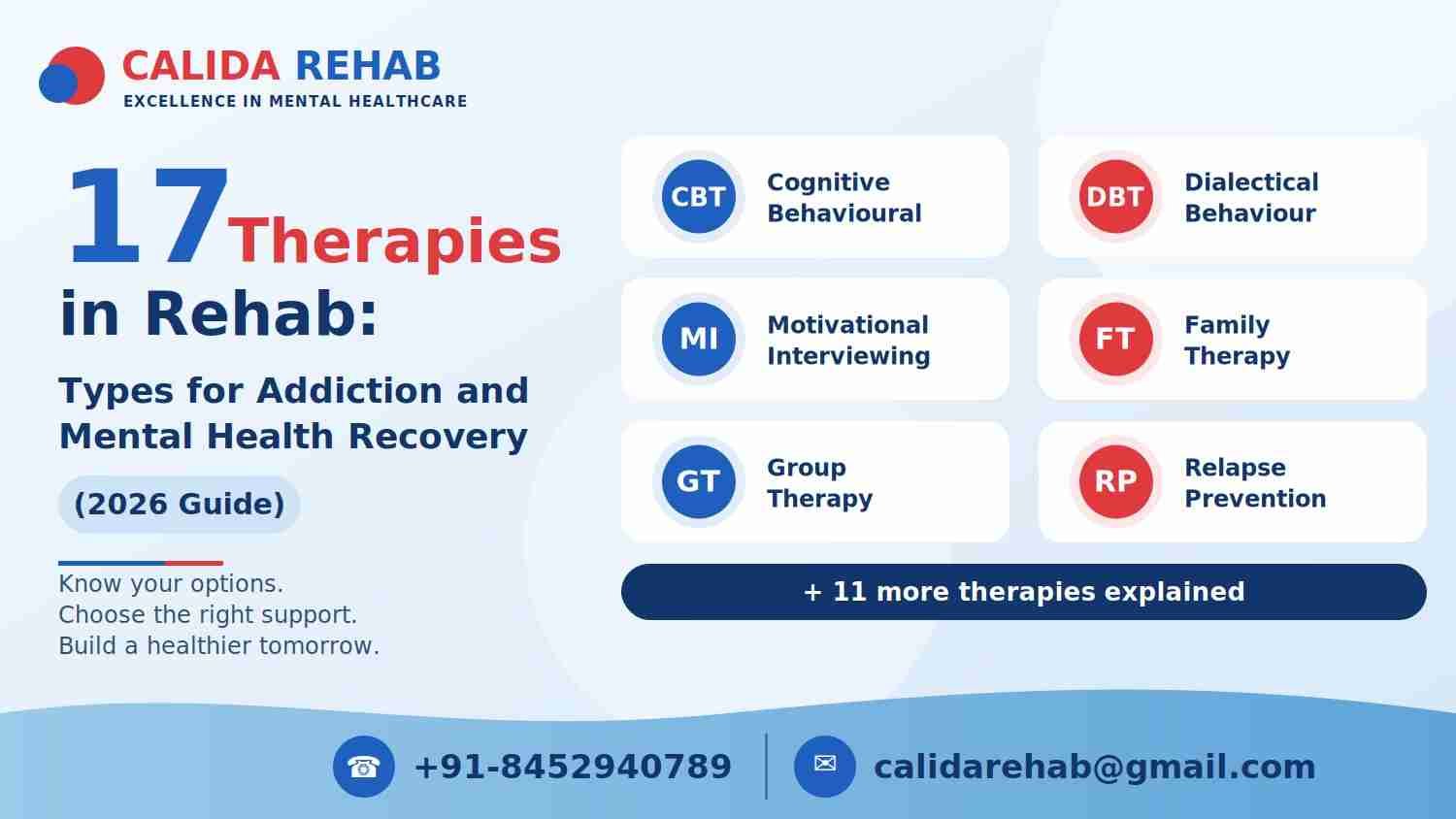
- Evidence-based therapeutic approaches like CBT, DBT, IRT, and Mindfulness Therapy.
- Transparent treatment.
- Family counselling support.
- Aftercare support and planning from the beginning.
- Comfortable, safe and hygienic space.
- Transparent pricing and financial support
- Appropriate and updated licensing and accreditation standards.
While it may not always be easy to judge a rehab centre early on, checking online reviews or asking the patient’s family, if available, may give an idea.
Best Residential Treatment Centres in India
Several reputed names come up when you look for inpatient treatment centres in India. The ideal choice for you depends on your location convenience as well as the speciality of the centres. A quick check on their respective websites will reveal if they specialise in geriatric care(schizophrenia, dementia, Alzheimer’s, etc.), addiction, non-profit, or mental disorders.
A few of the best residential treatment centres for depression include:
- Calida Rehab
- Cadabam’s Hospitals
- Jagruti Rehabilitation Centre
- Hope Trust
- Sanctum Wellness
- Tulasi Healthcare
Calida Rehab in particular specialises in customised treatments and long-lasting results. With over 90% recovery rate, the facility successfully integrates evidence-based therapy with mindfulness practices and medications for not just recovery but transformation.
Facilities in Pune and Mumbai
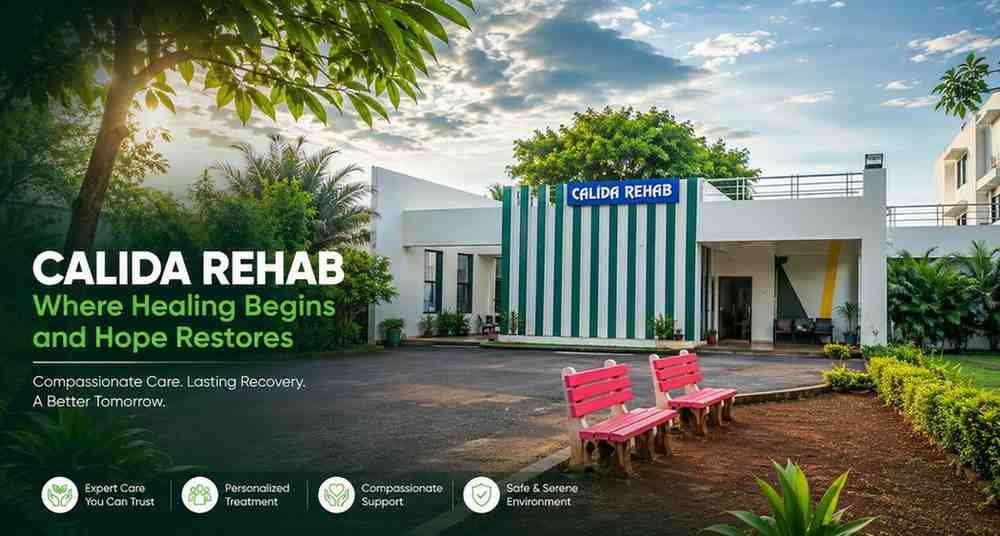
Calida Rehab has two residential treatment centres for depression, both located conveniently but in places that ensure ample nature and open space for the patients to heal. The properties are beautiful and expansive with modern amenities to give the patients a standard comfort, along with advanced psychological care.
1. Residential Treatment Centre in Mumbai (Karjat Facility)
Contact Number: +91 8452940789
Address:
55/1/A, Tata Road,
Village: Bhaliwadi,
Post: Goulwadi,
District:, Karjat,
Maharashtra 410201
2. Residential Treatment Centre in Pune (Sus Facility)
Contact Number: 7499174304
Address:
Survey No 137/3/4,
Bhagwati Complex,
near Baner, Bhagwati Nagar,
Parkhe Vasti, Sus,
Pune, Maharashtra 411021
How to Choose the Right Inpatient Program
The patient cannot choose BPD inpatient treatment programs or any program on their own. This is the job of a professional and licensed psychiatrist only. And thus, to ensure no incorrect or manipulation, Calida Rehab makes consultation mandatory. A doctor, after a thorough clinical and psychological assessment, confirms a diagnosis. Then, based on the convenience of the patient and their family, a treatment plan and schedule are designed.
Conclusion
Residential trauma treatment programs are necessary for people struggling with the symptoms of mental health disorders in advanced stages. In particular, addiction, depression, personality disorders, schizophrenia, and co-occurring disorders require round-the-clock supervision and intense therapeutic and medical support.
While an inpatient programme offers a safe environment for healing, the duration of treatment may range from 1-6 months or more, depending on the diagnosis and, most importantly, the severity of the symptoms. It suggests neglect is responsible for making the treatment complex, long, and the worst recovery tricky.
So if you or someone you know is showing signs of struggle, book a consultation with Calida Rehab today. Let experts handle healing and recovery.
FAQs
The best residential treatment centres for depression in Mumbai and Pune are facilities that provide 24/7 psychiatric supervision, structured inpatient care, evidence-based therapies (CBT, DBT), and personalised recovery plans in a safe and supportive environment.
Some of the well-known residential treatment centres for depression in Mumbai and Pune include:
Calida Rehab (Mumbai & Pune) – Known for structured inpatient depression treatment programs, dual-diagnosis care, and long-term residential recovery support.
Jagruti Rehabilitation Centre (Mumbai & Pune) – Offers psychiatric rehabilitation and addiction recovery programs.
Hope Trust – Mental health and addiction recovery-focused residential care.
Sanctum Wellness – Known for structured psychiatric and emotional wellness programs.
Tulasi Healthcare – Provides inpatient psychiatric and addiction treatment support.
Among these, Calida Rehab is widely recognised for customised residential treatment programmes for depression in Mumbai and Pune, offering medically supervised care, therapy, and aftercare planning for long-term recovery.
Yes, inpatient depression treatment programs are available in both Mumbai and Pune, and they are recommended for individuals experiencing moderate to severe depression that affects daily functioning, relationships, or safety.
These inpatient programs typically include:
• 24/7 psychiatric monitoring and medical supervision
• Medication management under trained psychiatrists
• Individual and group psychotherapy sessions (CBT, DBT, mindfulness therapy)
• Structured daily routine with therapy, wellness activities, and counselling
• Crisis support and relapse prevention planning
• Family counselling and aftercare support
In cities like Mumbai and Pune, centres such as Calida Rehab provide structured inpatient depression treatment programs designed for stabilisation, emotional recovery, and long-term rehabilitation in a residential setting.
People whose symptoms of mental health disorder, including addiction, have started to interfere with their daily life, responsibilities, and relationships. A doctor, after a consultation, can tell if residential treatment is necessary for the patient.
The length of the treatment programme depends on the clinical needs and treatment goals of the patient. However, typically, inpatient treatment lasts between 1 and 6 months at the best residential treatment centres for depression.
At Calida Rehab, family counselling is a part of the aftercare plan. It aims to improve family dynamics and the environment for the patient at home.
Yes. Integrated treatment programmes address mental health disorders and substance use disorders simultaneously.
Important factors to consider when choosing residential treatment centres for depression include staff qualifications, customisation of treatment plans, evidence-based therapeutic approaches (CBT, DBT), safety standards, hygiene and living conditions, aftercare planning, programme accreditation, convenience, and patient reviews.
For patients who need round-the-clock psychiatric supervision, you can read more about our mental hospital in Pune and its residential treatment programs.