

Addiction rewires your brain in powerful ways; it affects your decision-making, memory, motivation, energy levels, and emotional control. One of the most commonly asked questions is ‘how long to rewire the brain from addiction ?’ Well, the answer to this question depends on a variety of reasons like the type of addiction, duration of substance abuse, mental health, lifestyle, and the support system around the person.
The good news is that the brain has an incredible ability called neuroplasticity, where it can heal, adapt and form new neural pathways. Recovery is not instant, but with proper treatment, healthy habits, therapy and patience, the brain can gradually regain balance and function.
Key takeaways
- Addiction alerts the brain’s reward-giving and decision-making systems.
- The brain begins healing within a few days of grieving, but the complete recovery can take up to months or sometimes up to years.
- Neuroplasticity allows the brain to create healthier pathways over time.
- Therapy, nutrition, sleep, exercise and rehab programs all help accelerate healing
- Long-term recovery is possible with professional support and care, and with consistency
Understanding how addiction affects the brain
To understand how long it takes to rewire your brain, you must first understand how addiction works neurologically. Drugs, alcohol, nicotine, gambling, and behavioural addictions increase dopamine production in the brain.
Dopamine is the “feel-good” neurotransmitter that causes pleasure and reward. Over time, the brain gets reliant on artificial stimulation and struggles to derive natural pleasure from routine activities.
Addiction mostly affects:
- The prefrontal cortex (decision-making, impulse control)
- The limbic system (emotion, reward)
- Memory and Learning Circuits
- Stress response systems.
The National Institute on Drug Abuse found that long-term addiction decreases self-control while developing cravings and compulsive behaviour patterns. This is why addiction is treated as a chronic brain condition rather than a lack of willpower.
How to Rewire the Brain from Addiction?
Each person’s chronology is different. Nonetheless, most specialists categorise healing into phases.
Stage 1: The first few days to two weeks of acute withdrawal
In this phase, the brain tries to maintain neurotransmitter levels while the body gets rid of toxins. Symptoms could consist of:
- Fear
- Variations in mood
- Desires
- Sleeplessness
- Weariness
- Depression and irritability
Withdrawal from drugs like alcohol, opioids, or benzodiazepines can be harmful to one’s health and should be professionally monitored. Even though this phase is emotionally and physically taxing, the brain is already starting to heal itself.
Stage 2: Two weeks to three months of early brain healing
At this point, a lot of people start to wonder how long it takes for the brain to recover from addiction.
After a few weeks of sobriety:
- Dopamine levels gradually return to normal.
- Improvements in cognitive clarity
- Sleep habits stable
- Emotional control starts to get better
- Gradually, concentration and memory return.
After only a few weeks of recuperation, brain scans have revealed quantifiable increases in brain activity. However, because the brain’s reward system has not entirely recovered, cravings may still be strong.
To avoid recurrence, this stage often requires therapy, counselling, and support groups.
Stage 3: Behavioural Recovery and Neural Rewiring (3 Months to 1 Year)
This is the actual stage of rewiring. During this time, people frequently question how to rewire your brain’s addiction tendencies. Through repetition and positive reinforcement, the brain starts to develop stronger neural pathways and healthier habits.
At this point, someone might observe:
- Improved emotional stability
- Enhanced drive
- Enhanced focus
- Decreased appetites
- Increased self-control
- Increased pleasure from organic rewards
Numerous cognitive abilities considerably improve after six to twelve months of abstinence, according to research published in addiction neuroscience journals. However, following severe or prolonged substance usage, certain parts of the brain may continue to repair for years.
Stage 4: Extended Recuperation (One Year and Up)
Long-term abstinence weakens pathways linked to addiction while strengthening healthy brain circuitry.
The length of time it takes for the brain to fully repair is a common question.
Some people have a significant recovery in less than a year. Healing can take years for some, particularly those in recovery from alcohol, drug, or methamphetamine addiction. The good news is that as long as healthy behaviours are maintained, recuperation will continue.
Factors Influencing Brain Recuperation Time
Every rehabilitation process is unique. The length of time it takes for the brain to recover from addiction depends on several factors.
- Addiction Type
Different drugs have distinct effects on the brain. For instance:
- Methamphetamine may harm dopamine more persistently.
- Alcohol has a significant impact on memory and cognition.
- Opioids have a significant effect on reward systems.
- Nicotine modifies the impulse and attention systems.
Dopamine circuits can also be markedly altered by behavioural addictions such as gambling or gaming.
- Duration of Substance Use.
Someone who has been addicted for 10 years will typically need more time to recover than someone who has been battling for a few months. The longer addictive behaviour persists, the stronger the brain circuits develop.
- Mental Health Conditions.
If depression, anxiety, PTSD, or trauma are not treated, these can impede healing. Dual-diagnosis treatment is crucial since mental health and addiction are inextricably linked.
- Ageing and Physical Health
Younger brains frequently recover faster due to increased neuroplasticity. Adults of all ages, with the right assistance, can achieve incredible healing. Proper nutrition, exercise, water, and sleep all aid in brain healing.
- Recovery Environment.
Supportive relationships, treatment, rehabilitation programs, and sober communities all increase recovery success. Stressful or triggering settings might cause recovery to take longer and raise the likelihood of relapse.
- The Science of Neuroplasticity
- The brain’s ability to evolve and adapt is known as neuroplasticity.
- This implies that the brain can:
- Form new neuronal pathways.
- Strengthen good habits.
- Replace the damaging patterns.
- Learn new coping mechanisms.
- Every healthy choice strengthens recovery pathways.
This is why therapy, mindfulness, writing, exercise, and healthy habits work so well in addiction recovery.
When asked how to rewire your brain from addiction, the response is to consistently practice better behaviours until they become automatic.
Signs Your Brain is Healing
Recovery is not always linear, but there are certain consistent signals of progress. Some of these include:
Improved emotional stability.
Mood swings become less severe, and emotions seem more controlled.
Better Sleep
Sleep quality typically improves dramatically after the first few weeks of recovery.
Sharper Memory and Focus
Many people have reported greater concentration and clarity of thought after a few months.
Reduced Cravings
Cravings may still occur on occasion, but they tend to become less common and less overwhelming over time.
Increased enjoyment in daily life
Music, exercise, hobbies, friendships, and nature all feel more joyful without the use of narcotics.
Healthy Methods to Accelerate Brain Healing
People regularly question how long it takes to reset the brain after addiction. Although there is no instant reset button, certain evidence-based habits promote faster recovery. For example:
- Exercise regularly.
Exercise naturally increases the creation of dopamine, serotonin, and endorphins.
According to research, frequent physical activity boosts mood, decreases cravings, and promotes neurogenesis. Even walking for 30 minutes every day can help.
- Prioritise sleep.
Sleep is necessary for brain restoration and emotional stability. Establishing a consistent sleep schedule can significantly boost recovery results.
- Consume nutrient-dense foods.
The brain needs nourishment to recover. Helpful meals include:
- Omega-3 Fatty Acids
- Fruits and veggies.
- Lean protein
- Whole grains
- Nuts and Seeds
- Hydration also influences cognitive function.
- Attend therapy.
Therapy can help you discover triggers, trauma, and problematic thinking patterns. Effective strategies include:
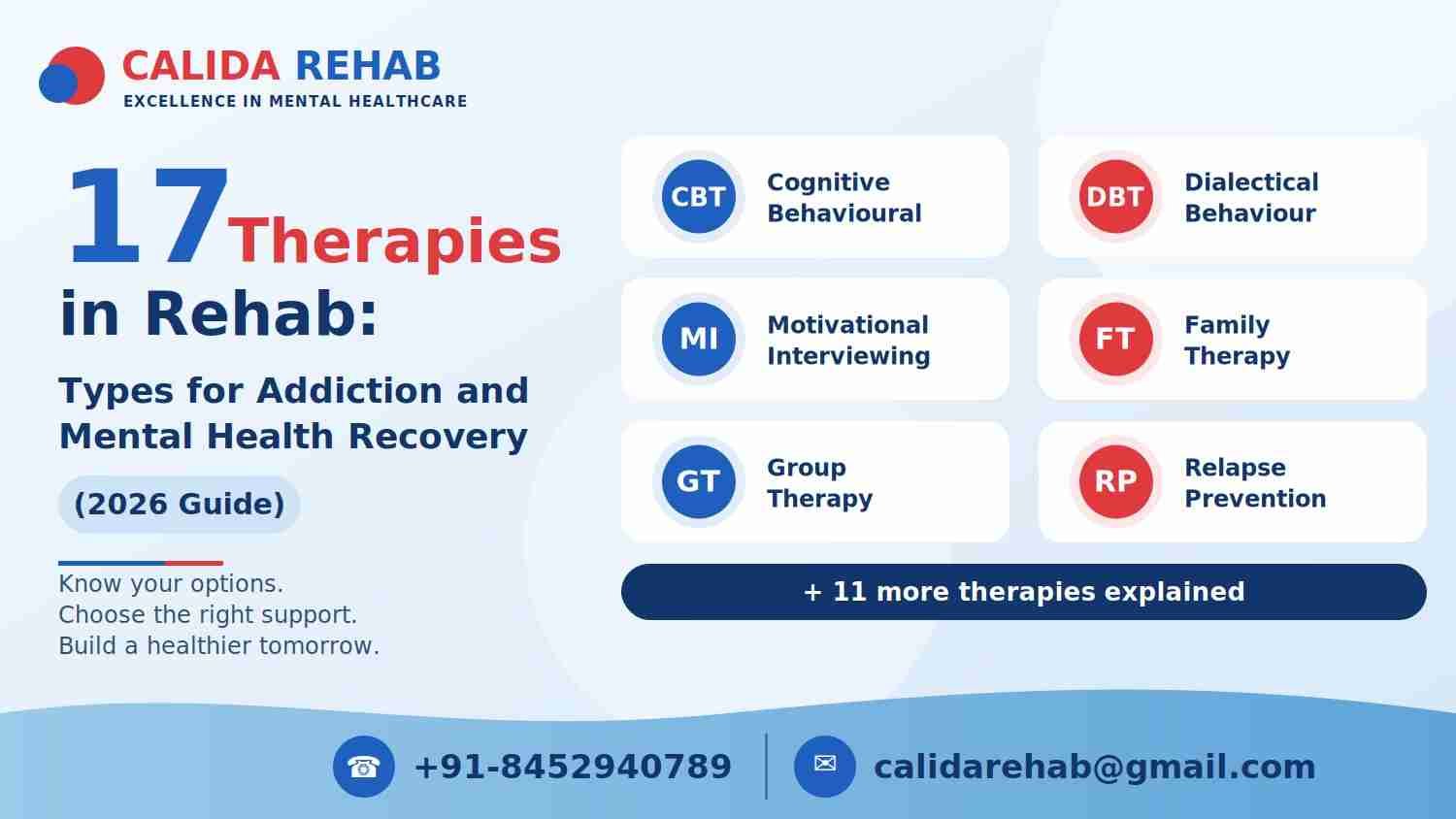
- Cognitive behaviour therapy (CBT)
- Dialectical Behavioural Therapy (DBT)
- Motivational Interviewing
- Group Therapy
- Family therapy
These methods genuinely help to develop healthier brain responses over time.
- Practice mindfulness and meditation.
Meditation strengthens the prefrontal cortex and lowers stress responses. According to brain imaging research, mindfulness can help with emotional regulation and minimise impulsive behaviour.
- Develop positive habits.
Healthy practices strengthen new neural pathways. Useful habits include:
- Journaling
- Reading
- Structured schedules
- Hobbies
- Social connection
- Volunteering
- Consistency is more important than perfection.
Why Relapse Can Happen During Brain Recovery?
Relapse does not indicate failure. It frequently reflects the fact that addiction-related brain circuits remain active. Stress, trauma, loneliness, and environmental signals can stimulate cravings even after months of abstinence.
This is why continual support is essential. Recovery is more than just quitting substances; it is also about establishing a completely new lifestyle and perspective.
Common Myths About Brain Recovery from Addiction
Myth 1: The brain never completely recovers.
While some severe injuries may take longer to repair, the brain possesses incredible regenerating capabilities. Many people achieve cognitive and emotional stability through long-term abstinence.
Myth 2: Recovery occurs quickly.
Healing requires time. Some improvements occur within weeks, but deeper neurological repair can last for years.
Myth 3: Willpower Is Enough.
Addiction alters brain chemistry. Professional help, treatment, and healthy practices are frequently required for long-term healing.
Myth 4: Relapse indicates treatment failure.
Relapse can occur during the healing process. Many people take several tries to achieve long-term abstinence.
How Rehabilitation Programs Can Rewire the Brain?
Professional treatment institutions offer organised environments that promote neurological restoration. Rehabilitation programs often include:
- Medical detoxification
- Therapy and Counselling
- Relapse prevention
- Nutritional assistance
- Mental Health Treatment
- Holistic Therapies
- Group support
These programs lower stress while teaching healthy coping techniques that aid in the rehabilitation process.
The Emotional Aspect of Rewiring the Brain
Addiction frequently hides deeper emotional distress. During recovery, feelings suppressed by narcotics might return powerfully. This may include:
- Grief
- Anger
- Shame
- Anxiety and loneliness
- Fear
Therapy and support groups assist people in processing their emotions in healthy ways rather than using substances to escape. Learning emotional resilience is an important element of rewiring the brain.
Why Choose Calida Rehab?
Calida Rehab provides compassionate, evidence-based addiction therapy aimed toward long-term healing and recovery. Their programs are intended to address both the physical and psychological aspects of addiction while also promoting brain recovery through professional therapy, medical care, and holistic wellness practices. The advantages of joining Calida Rehab include:
- Personalised treatment plans.
- Experienced addiction specialists.
- Safe detoxification support
- Mental health counselling
- Relapse Prevention Strategies
- Holistic Recovery Therapies
- Long-term recovery guidelines
A supportive recovery environment can help repair healthy neural pathways and achieve long-term sobriety.
Creating a New Identity After Addiction
Recovery entails more than just eliminating substances. It frequently entails reestablishing identity, purpose, confidence, and relationships. Many people in recovery learn:
- New passions.
- Career goals
- Healthy friendships
- Better emotional awareness.
- Stronger self-esteem
The brain adjusts to new experiences, forming healthier neuronal pathways over time.
In a Nutshell
If you’re wondering how long it takes to rewire the brain from addiction, keep in mind that recovery is entirely achievable. Recovery is not instant, but the brain begins to rebuild itself the moment sobriety is established. Some benefits may occur within a few days or weeks, although deeper healing can take months or years, depending on the degree and duration of addiction. The approach necessitates patience, consistency, therapy, good behaviours, and continual support.
Long-term healing is feasible with competent supervision, solid support networks, and a commitment to rehabilitation. Calida Rehab provides compassionate, evidence-based care that promotes long-term wellness and brain healing at all stages of recovery.
Frequently Asked Questions Answered
Most patients notice improvements within weeks, but meaningful brain rewiring might take months to a year or more, depending on the severity of the addiction.
In many cases, neuroplasticity allows the brain to recover significantly, particularly with long-term sobriety and professional support.
Some cognitive gains may occur within weeks, but complete neurological repair may take several months or years.
Healthy sleep, exercise, treatment, nutrition, mindfulness, and avoiding relapse all assist in hastening brain recovery.
Addiction-related brain pathways remain active long after substance use is stopped, which might cause cravings to linger. Healthy practices gradually decrease such pathways.
Many people experience relapses during their recovery. It does not imply failure and may be an opportunity to improve treatment procedures.