

Memory loss, brain fog, or forgetfulness are often associated with carelessness in young people and age-related ailments in older people. But what is often overlooked is the connection between mood and brain function. It means reduced concentration can be affected by emotions, which brings the big question, “Can depression cause memory loss? How does it influence daily functioning over time?”
The Real Link Between Mood and Memory
The connection between depression and memory loss is clinically proven. However, phases of brain fog and loss of memory get triggered only when the symptoms of depression go untreated for a long time. Often misunderstood as an emotional condition, depression disorder, if ignored, starts to affect cognitive health as well. In simple words, it means that depression can affect brain health and thus can hamper brain functions.
The symptoms include:
- Reducing attention span
- Confusion
- Inability to make decisions
- Lack of clarity
- Decreased recall abilities
- Memory loss
As a result, simple activities performed in daily life may start becoming difficult and thus feel mentally draining. Increasing inability to do normal things may cause more anxiety and detachment for escape, amplifying the condition.
In daily life, it may look like:
- Forgetting recent conversations or missing important details
- Misplacing everyday items more frequently than usual
- Struggling to stay focused during tasks or conversations
- Taking longer to process or respond to information
Since these symptoms are also the signs of fatigue, stress and burnout, the question remains: “Does depression cause memory loss,” or if the issue lies elsewhere.
How Does Depression Cause Memory Loss?
Unknown to most, prolonged emotional distress can change the way the brain functions. Mental health conditions, when they go untreated for a long time, often start to become complex, causing more issues. Thus, most patients in advanced stages of depression are diagnosed with dual diagnosis, meaning the patient is showing the symptoms of two or more disorders.
In the case of depression, the condition affects the part of the brain that is responsible for learning, attention, and memory processing. Thus, slowly, it starts to slow down the brain, making it harder for the patient to learn and recall.
Key Functional Changes
- Reduced efficiency in attention
- Inability to perform activities that require focus
- Slower ability to form answers to questions
- Difficulty in retaining new information
- Increased mental fatigue
- Tiredness even after thinking
Over time, the declining condition directly contributes to noticeable memory loss due to depression, especially when symptoms are not addressed early.
Types of Memory That May Be Affected
The confusion and the lack of awareness about the connection between mood and memory are because the symptoms vary from person to person. It is because memory is not a single function; thus, depression causes memory loss in different ways depending on the individual.
- Short-Term Memory: This involves recent information such as instructions, conversations, or tasks.
- Working Memory: This affects analysis and calculations. In simple tasks, working memory is essential for decision-making and multitasking, which often becomes weaker during depressive episodes.
- Recall Ability: This includes stored information or old memories. Sometimes, it may feel familiar, but connecting the dots becomes difficult due to difficulty in retrieving information from the brain.
Signs That Memory Problems May Be Linked to Depression
As mentioned before, the signs are common and can overlap with stress, fatigue, and burnout as well. So, it is important to recognise patterns rather than considering isolated incidents to link memory loss with depression.
So, can depression cause memory loss? Yes, when the signs are:
- Forgetfulness is combined with a persistent low mood
- Difficulty concentrating on simple tasks, combined with a lack of enthusiasm
- Reduced mental clarity and slower thinking, combined with isolated behaviour
- Difficulty in communication, combined with constant loss of motivation
The combined approach makes it easy to diagnose whether the increased memory loss is due to depression or some other underlying condition.
Why Ignoring These Symptoms Can Worsen the Condition
Memory issues linked to depression often develop gradually, making them easy to overlook in the early stages. However, ignoring these signs can lead to reduced productivity, increased stress, and lower confidence over time. Together, they add more reasons for escape behaviour and isolation.
Also, chronic stress tends to worsen sleep, memory loss, and depression disorder. It creates a cycle that becomes harder to break without structured support.
Can Memory Loss Due to Depression Be Reversed?
The most important question is, can the brain recover with treatment? The good news is that memory loss due to depression is reversible, but it requires treatment. Chances of recovery improve drastically with early diagnosis. In most cases, yes.
At Calida Rehabilitation Centre for Depression, treatment addresses both emotional and cognitive health simultaneously. This approach combines holistic wellness practices with evidence-based therapy sessions, medications, and skill training to achieve faster recovery with lasting results.
What Helps Improve Memory and Mental Clarity?
Effective treatment of depression disorder targets the negative thought patterns, emotional balance, and daily structure.
1. Cognitive Behavioural Therapy (CBT)
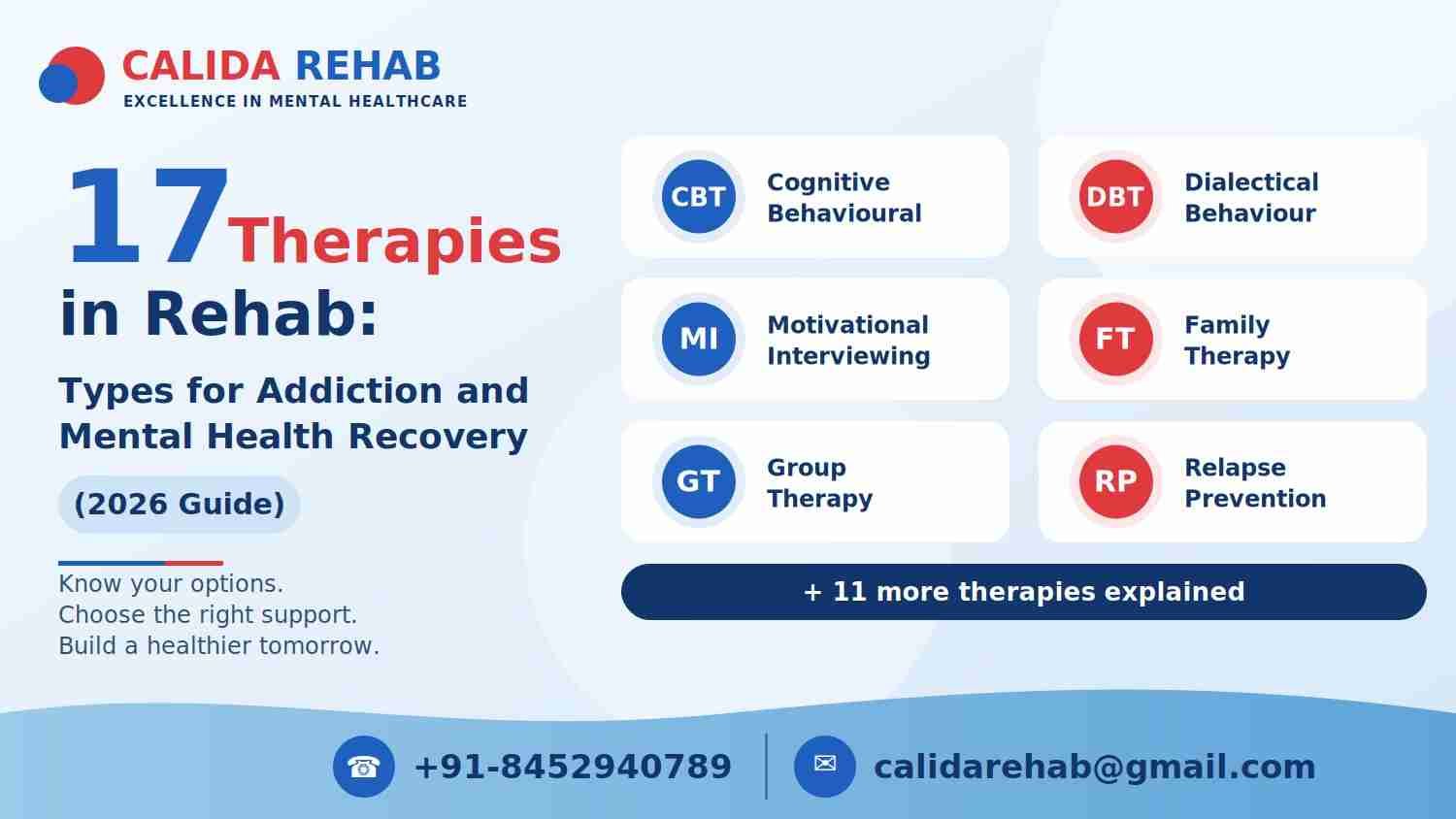
Cognitive Behavioural Therapy (CBT) is a structured behavioural therapy approach used with patients to identify the root causes of negative thinking patterns. The sessions are also designed to find the triggers and replace the reaction with more balanced responses. Over time, this improves focus, clarity, and reduces the impact of depression, which causes memory loss.
2. Dialectical Behaviour Therapy (DBT)
Dialectical Behaviour Therapy (DBT) is another form of behavioural therapy that focuses on improving emotional regulation and stress tolerance. It improves concentration and reduces mental overload. This indirectly supports better cognitive performance in individuals experiencing depression and memory loss.
3. Routine and Daily Structure
Lifestyle plays an important role in mood management. Maintaining a healthy, consistent routine sets the body clock, reducing mental fatigue and helping the brain function more efficiently. Lifestyle management is extremely important when dealing with memory loss due to depression.
The Role of Family Support in Recovery
The environment plays an important role in mental health recovery. In most cases, relations are affected by the condition, which causes more stress for the patient. Thus, family therapy becomes an important part of the treatment. It works towards improving relations at home through effective communication and conflict resolution. The therapy not only improves relationships, helping the patient find a suitable home environment for continued recovery, but also teaches interpersonal skills that support relapse prevention.
An understanding support system at home positively influences both emotional stability and cognitive recovery of the patient in the long-term.
How Calida Rehab Supports Recovery with Safe and Structured Care
At Calida Rehab, treatment takes place in a serene, beautiful setting that supports healing. The facility is run by a multidisciplinary team that includes experienced psychiatrists, therapists, support staff, nutritionists, instructors, security, and more. Together, they deliver personalised care that combines evidence-based therapies, medication when required, and holistic healing to support emotional stability and manage depression effectively.
Structured Treatment Programme at Calida Rehab
Treatment programmes at the facility are divided into three categories.
- 30-Day Programme: For early stages
- 60-Day Programme: For the moderate stage
- 90-Day Programme: For the advanced stage
Each of these structured programmes for depression disorder focuses on both emotional healing and cognitive recovery together. This integrated approach ensures that symptoms are addressed consistently under clinical supervision.
Here are the core elements of the treatment programme for memory loss due to depression:
- Complete psychiatric evaluation for diagnosis and treatment design
- Medication management under the observation of the medical team, when required, to prevent dependency
- Individual therapy sessions to identify and address root causes and improve thought patterns
- Skill and vocational training for cognitive enhancement
- Family Therapy to strengthen communication and support systems
- Group and activity-based sessions for improved interpersonal skills
- Lifestyle restructuring to build a healthy routine
- Holistic wellness practices such as mindfulness and relaxation techniques, combined with physical exercise
- Relapse prevention planning
- Aftercare support with peer groups
Note: Treatment plans are personalised based on individual needs, symptom severity, and overall health. Also, the treatment programmes are controlled and designed under the supervision of the doctor only after diagnosis.
When It’s Time to Seek Support and Take the Next Step
When phases of memory loss start to affect daily life and interfere with everyday tasks, adding to the anxiety, it becomes essential to seek help. Noticeable symptoms are a sign of negligence; delaying professional help only complicates recovery.
If you are showing signs of memory loss due to depression, book a confidential consultation with Calida Rehab today, and take the first step towards healing.
Frequently Asked Questions Answered
Memory loss due to depression can be reversed with consistent, structured treatment. Early diagnosis improves recovery, while delays can lead to long-term cognitive problems.
Yes, it does not depend on age but on prolonged emotional distress. Untreated depression can cause noticeable cognitive difficulties even in young individuals.
Depression affects brain function through prolonged emotional distress, leading to brain fog, slow thinking, and reduced ability to process and recall information.
Yes, with proper treatment including therapy, medication, and lifestyle changes, cognitive function can improve significantly over time.
Professional help should be sought when symptoms begin to interfere with daily life, work, relationships, or overall functioning.