Mumbai’s pace rarely slows down, and for a growing number of families in the city, that pace has collided with a quieter, more painful problem: addiction. Whether it’s a teenager experimenting with substances that spiral out of control, a working professional using alcohol or prescription medication to cope with pressure, or a loved one whose drug use has become impossible to ignore, the search usually starts the same way — typing “drug rehabilitation centre in Mumbai” into Google at 2 AM, unsure of what to expect.
Looking for rehabilitation options beyond drug addiction — including mental health, alcohol, or dual-diagnosis care? See our complete rehabilitation centre in Mumbai overview.
This guide is written for that moment. It walks through what a drug rehabilitation centre actually does, the realistic cost of treatment in and around Mumbai, how to tell a genuine, licensed facility from one that only looks the part, and what the recovery journey involves from admission to aftercare.
Quick Answer: Drug Rehabilitation Centre Near Mumbai
- Mumbai city has limited space for large residential rehab facilities, so most licensed, medically driven centres serving Mumbai residents are located just outside the city — commonly in Thane, Karjat, or Navi Mumbai, 1–2 hours away.
- Treatment costs range from free (government/trust-run) to ₹40,000–₹1,50,000/month (mid-tier) to ₹1,50,000–₹10,00,000+/month (premium/luxury).
- A genuine centre should be NABH-compliant or government-licensed, medically driven by a qualified psychiatrist, and equipped to treat dual diagnosis (addiction plus co-occurring mental health conditions). Most structured programmes run 30–90 days.
Understanding Drug Addiction: Why It Needs Medical Treatment, Not Willpower
Drug addiction, clinically known as Substance Use Disorder (SUD), is recognised by the World Health Organization as a chronic, relapsing brain disease — not a character flaw or a lack of discipline. Repeated substance use physically changes the brain’s reward circuitry, affecting dopamine regulation, impulse control, and decision-making. This is why “just stopping” is rarely possible without structured medical and psychological support, especially for opioids, alcohol, benzodiazepines, or long-term stimulant use.
Understanding this distinction matters because it shapes how families approach treatment. Shame, ultimatums, and isolation tend to push the person further away. A licensed rehabilitation centre treats addiction the way it treats any other chronic illness — with diagnosis, a structured treatment plan, and long-term management.
Signs Someone May Need a Rehabilitation Centre
Recognising the signs early can significantly change the outcome of treatment. Common indicators include:
- Inability to cut down or stop use despite repeated attempts
- Withdrawal symptoms (tremors, anxiety, nausea, irritability) when substance use stops
- Neglecting work, studies, or family responsibilities
- Continued use despite worsening health, relationships, or finances
- Secretive behaviour, mood swings, or sudden changes in social circle
- Increasing tolerance, needing more of the substance for the same effect
- Physical symptoms — weight loss, poor hygiene, bloodshot eyes, unexplained injuries
If several of these signs are present, a professional assessment for substance use disorder is the safest next step, rather than waiting for a crisis point.
Substance-Specific Signs and Withdrawal Symptoms
Different substances present differently, and withdrawal risk varies significantly. This is a general reference, not a diagnostic tool — a proper evaluation should always be done by a qualified professional.
| Substance | Common Signs of Use | Withdrawal Symptoms | Medical Risk Level |
|---|---|---|---|
| Alcohol | Smell on breath, slurred speech, mood swings, poor coordination | Tremors, sweating, anxiety, seizures (severe cases) | High — can be life-threatening |
| Opioids (heroin, prescription painkillers) | Drowsiness, constricted pupils, needle marks, doctor shopping | Muscle aches, nausea, chills, intense cravings | Moderate to high |
| Benzodiazepines | Sedation, confusion, poor memory, doctor shopping | Anxiety, insomnia, seizures (severe cases) | High — requires medical taper |
| Stimulants (cocaine, amphetamines) | Hyperactivity, dilated pupils, weight loss, paranoia | Fatigue, depression, intense cravings | Moderate — psychological risk is high |
| Cannabis | Red eyes, increased appetite, altered coordination, apathy | Irritability, insomnia, reduced appetite | Low — rarely medically dangerous |
Types of Drug Rehabilitation Centres in Mumbai (And What They Actually Cost)
Mumbai and its surrounding region host a wide range of facilities, and cost is often the first filter families use. It helps to know what each price bracket typically includes before comparing centres.
Here’s a side-by-side comparison of what each price bracket typically includes:
| Centre Type | Monthly Cost (INR) | Typical Accommodation | Medical Supervision | Best Suited For |
|---|---|---|---|---|
| Government / Trust-Run | Free – Subsidised | Shared dormitory | Basic, high patient ratio | Limited financial resources |
| Budget / Mid-Tier | ₹40,000 – ₹1,50,000 | Shared rooms | Qualified counsellors, basic medical staff | Structured care on a limited budget |
| Premium / Semi-Resort | ₹1,50,000 – ₹4,00,000 | Private / semi-private | Dedicated psychiatric team, 24/7 medical staff | Medically driven, holistic recovery |
| Luxury | ₹4,00,000 – ₹10,00,000+ | Single occupancy suites | Full clinical team, highly personalised | Maximum privacy, high-profile clients |
Government and charitable trust facilities in and around Mumbai offer free or heavily subsidised treatment and remain a genuine lifeline for families with limited financial resources — the trade-off is usually higher patient-to-staff ratios and longer waitlists. Premium and semi-resort centres, often located away from the city amid natural surroundings, combine medically driven care with holistic therapies like yoga, art, and music therapy in a calmer environment considered clinically beneficial for early recovery.
A word of caution: price alone is not a reliable indicator of quality. The single most important factor is whether the centre is medically driven, licensed, and staffed by qualified psychiatrists — not just how polished its website or interiors look.
For a detailed breakdown of what actually drives these numbers, hidden charges to watch for, and how to compare quotes accurately, see our guide on the real cost of rehab in India.
What Happens During Treatment: The Real Recovery Process
A genuine rehabilitation programme is never just “detox and discharge.” It follows a structured, multi-phase process:
| Phase | What Happens | Typical Duration |
|---|---|---|
| 1. Assessment | Psychiatric and physical evaluation, substance history review | Day 1 |
| 2. Medical Detox | Supervised withdrawal management | 3–10 days |
| 3. Therapy & Counselling | CBT, group therapy, family therapy, individual counselling | 3–12 weeks |
| 4. Dual Diagnosis Care | Treating co-occurring mental health conditions alongside addiction | Ongoing, parallel to therapy |
| 5. Holistic Recovery | Yoga, meditation, art/music therapy, structured routine | Throughout stay |
| 6. Aftercare | Relapse prevention planning, ongoing counselling, family support | Post-discharge, long-term |
1. Initial Assessment and Medical Evaluation
Every credible centre begins with a detailed psychiatric and physical evaluation to understand the substance history, co-occurring mental health conditions, and any medical risks before planning detoxification.
2. Medical Detoxification
Detox is the process of safely clearing the substance from the body under medical supervision, managing withdrawal symptoms that can range from uncomfortable to medically dangerous (especially with alcohol and benzodiazepines). This should never be attempted without medical support.
3. Therapy and Counselling
Once stabilised, treatment shifts to addressing the psychological drivers of addiction through a combination of:
- Cognitive Behavioral Therapy (CBT) — identifying and restructuring the thought patterns that fuel substance use
- Group Therapy — peer support and shared accountability
- Family Therapy — repairing trust and educating families on how to support recovery without enabling relapse
- Individual counselling — one-on-one work with a psychologist or counsellor
4. Dual Diagnosis Treatment
A significant proportion of people with substance use disorder also live with an underlying mental health condition — depression, anxiety, PTSD, or bipolar disorder — that either preceded or developed alongside the addiction. Treating only the addiction without addressing the co-occurring condition is one of the most common reasons relapse happens. Centres equipped for dual diagnosis treat both simultaneously, under psychiatric supervision.
5. Holistic and Lifestyle-Based Recovery
Structured daily routines, yoga, meditation, physical activity, art and music therapy, and nutrition support help rebuild the discipline and physical health that addiction erodes. This is not an alternative to medical treatment — it works alongside it.
6. Aftercare and Relapse Prevention
Recovery does not end at discharge. Aftercare planning, ongoing counselling, and family support are what determine whether early recovery becomes lasting recovery. Any centre that does not discuss aftercare during your first conversation with them is worth questioning.
How to Choose a Genuine Drug Rehabilitation Centre in Mumbai
With dozens of centres advertising online, families need a practical checklist to separate genuine, medically driven facilities from those that are not:
- Verify licensing and accreditation. Look for NABH compliance or equivalent government licensing — this confirms the facility meets clinical safety and quality standards.
- Confirm it is medically driven. The treatment plan should be designed and overseen by a qualified psychiatrist (M.D. Psychiatry), not just wellness coaches or counsellors alone.
- Ask about dual diagnosis capability. If co-occurring mental health conditions aren’t assessed, treatment is incomplete.
- Check staff-to-patient ratio and qualifications. Ask specifically how many doctors, psychologists, and nurses are on-site, not just “on call.”
- Understand what’s included in the cost. Confirm whether detox, therapy, meals, and aftercare are bundled or charged separately.
- Ask about family involvement. Recovery outcomes improve significantly when family therapy and education are part of the programme.
- Visit if possible, or ask for a virtual tour. A credible centre will not hesitate to show you the facility.
- Read reviews carefully, and be cautious of centres with no verifiable address, no doctor names listed, or aggressive high-pressure sales tactics.
Here’s a quick way to sanity-check any centre you’re considering:
| Green Flag (Genuine Centre) | Red Flag (Proceed with Caution) |
|---|---|
| NABH-compliant or government-licensed | No verifiable licence or accreditation shown |
| Led by a qualified psychiatrist (M.D. Psychiatry) | Only “wellness coaches” or unqualified staff |
| Assesses and treats dual diagnosis | Treats addiction in isolation, ignores mental health |
| Transparent about costs and inclusions | Vague pricing, hidden charges revealed later |
| Involves family through therapy/education | Discourages family contact or involvement |
| Has a documented aftercare plan | No discussion of life after discharge |
| Willing to give a facility tour (in-person or virtual) | Avoids or delays facility visits |
Best Drug Rehabilitation Centre Option Serving Mumbai
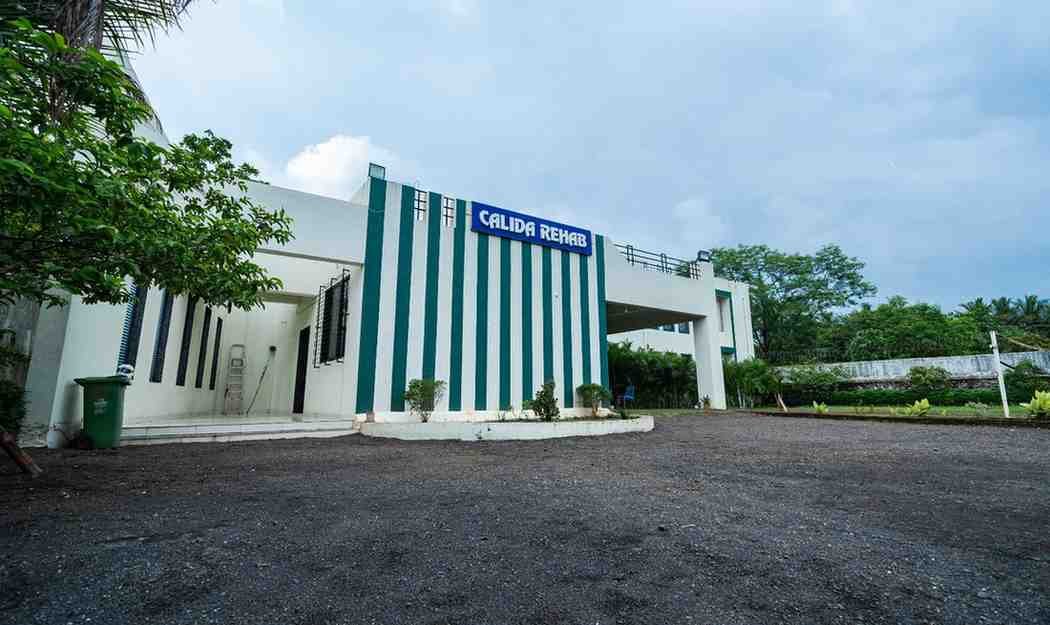
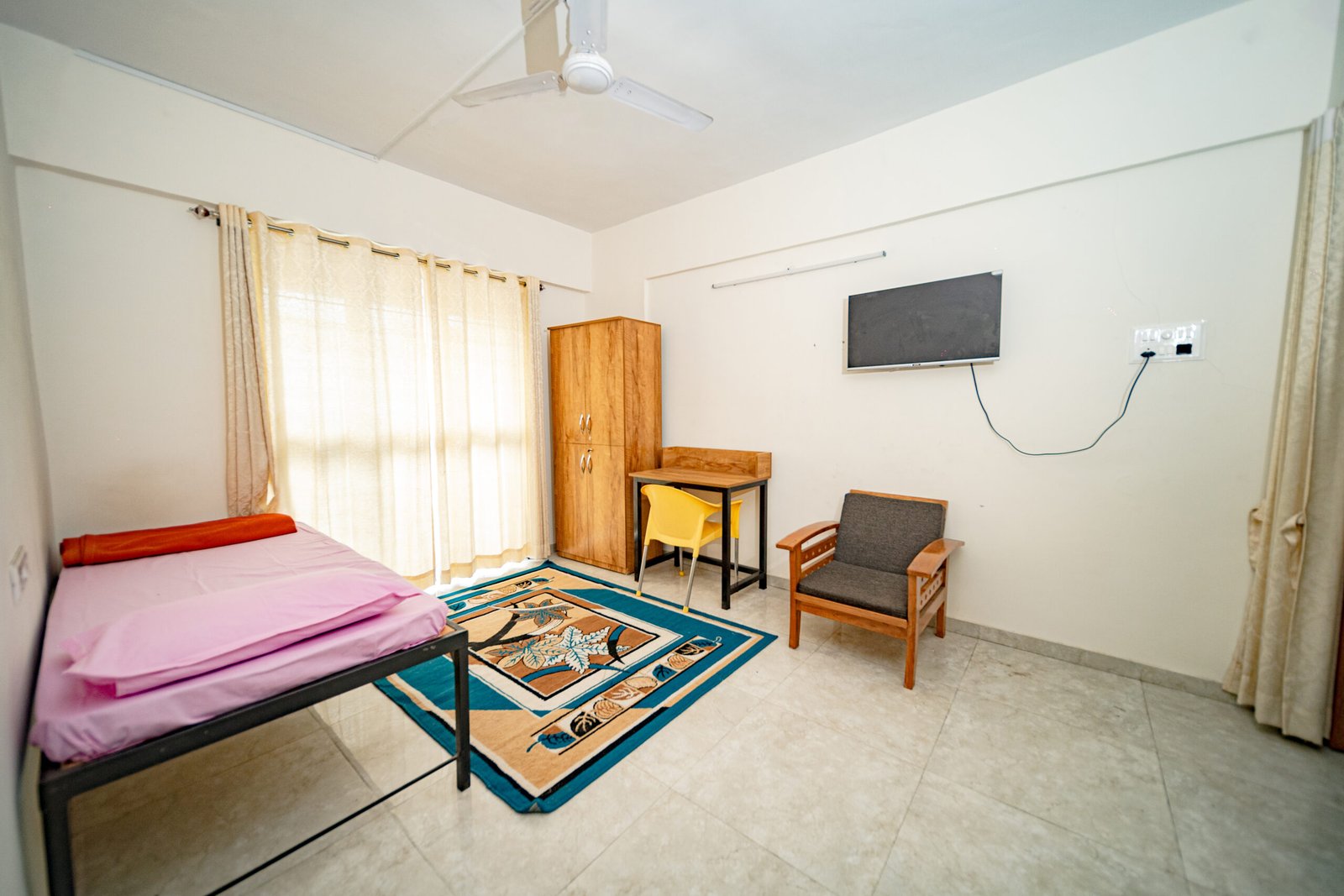
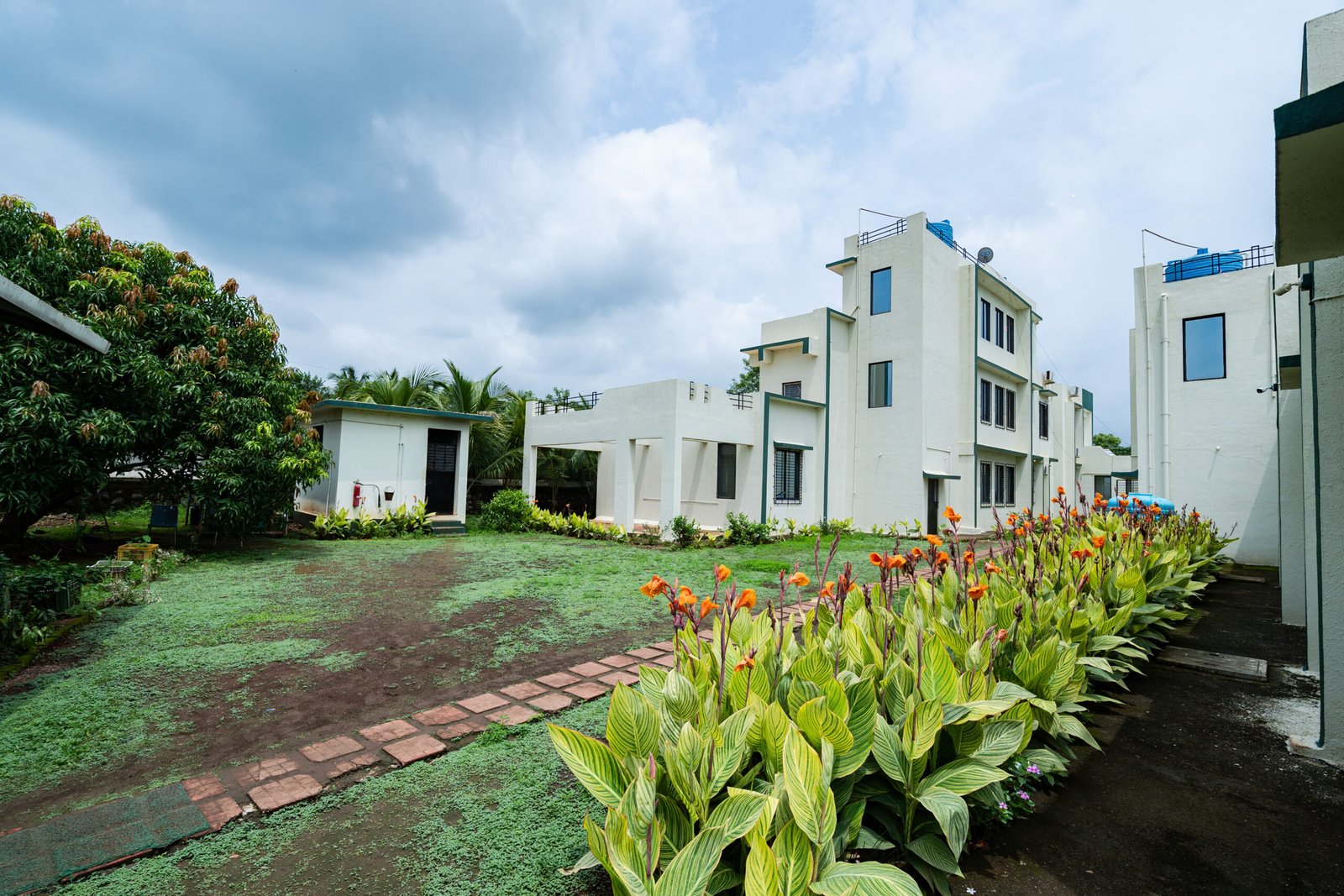
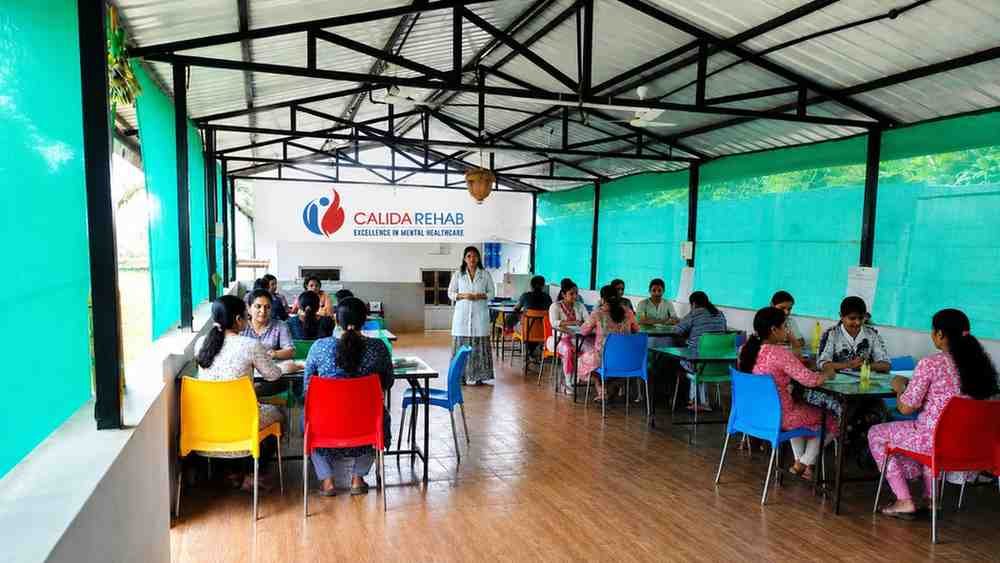
Mumbai city itself has limited space for large residential facilities, which is why several of the region’s most established rehabilitation centres are located just outside the city — in Thane, Karjat, and Navi Mumbai — offering easier access from Mumbai while providing the calmer, more spacious environment that residential recovery benefits from.
Calida Rehabilitation Centre is one such option, operating a 70-bed, medically driven facility in Karjat — roughly two hours from central Mumbai — set amid a semi-resort environment with mountain views and open outdoor space. The centre is NABH-compliant, led by psychiatrists Dr. Prashant Dasud (M.D. Psychiatry) and Dr. Santosh Pawar, and reports a 92% recovery success rate across more than 10,000 patients treated.
Calida treats substance use disorder alongside co-occurring mental health conditions through dual diagnosis care, structured daily therapy, and a full multidisciplinary team of psychiatrists, clinical psychologists, and nursing staff.
Calida Rehab Centre has treated over 10,000 patients with a reported 92% recovery success rate, operating a 70-bed, NABH-compliant facility in Karjat under the clinical leadership of psychiatrist Dr. Prashant Dasud, M.D. (Psychiatry).
To see what a full recovery journey actually looks like in practice, read Rohan’s 90-day residential treatment case study — a real, doctor-reviewed account of drug abuse recovery at Calida Rehab, from admission through detox, therapy, and discharge.
For families searching specifically within Mumbai, it’s worth being direct: Calida’s residential centres are located in Karjat (near Mumbai) and Pune, not within Mumbai city limits. This distance is often a deliberate clinical choice — removing early recovery from the triggers, stress, and easy access to substances that city environments present — but it’s an important detail to know before planning a visit or admission.
You can reach the Karjat centre directly:
- Phone: +91-8452940789
- Email: calidarehab@gmail.com
- Address: 342, Tata Road, Post: Goulwadi, Tal. Karjat, District: Raigad, Maharashtra 410201
Related programmes at Calida include the De-addiction Centre in Mumbai, Nasha Mukti Kendra in Mumbai, and Alcohol Rehab Centre in Mumbai, each addressing specific aspects of substance use recovery.
Supporting a Loved One Through Rehabilitation
Family involvement significantly influences recovery outcomes, but it comes with its own challenges:
- Educate yourself on addiction as a medical condition — this reduces blame and improves communication.
- Set boundaries without cutting off support. Enabling (covering up consequences, providing money without accountability) prolongs addiction; support without enabling accelerates recovery.
- Participate in family therapy if the centre offers it — addiction affects the whole household, and recovery works best as a shared process.
- Take care of your own mental health. Caregiver burnout is common and real; support groups for families exist for this reason.
- Be patient with relapse. Addiction is a chronic condition; a setback is a signal to adjust treatment, not a sign that recovery has failed.
Taking the First Step
Choosing a drug rehabilitation centre is rarely a decision made calmly — it’s usually made in the middle of a crisis, under pressure, and with incomplete information. But the centres that get results share the same foundation: medical leadership, evidence-based therapy, dual diagnosis capability, genuine licensing, and a real aftercare plan.
If you or someone you love is searching for treatment near Mumbai, reaching out for an initial consultation — before committing to admission — is the safest way to evaluate whether a centre is the right fit. Contact Calida Rehab at +91-8452940789 for a confidential conversation about treatment options.
Frequently Asked Questions
How much does drug rehabilitation cost in Mumbai?
Costs vary widely — from free government and trust-run programmes to ₹40,000–₹1,50,000/month at mid-tier centres, and ₹1,50,000–₹4,00,000+/month at premium, medically driven facilities. Luxury centres can exceed ₹10,00,000/month. Always confirm what’s included before comparing prices.
How long does drug rehabilitation treatment take?
Most structured residential programmes run 30 to 90 days, though duration depends on the substance involved, the severity of dependence, and whether co-occurring mental health conditions are present. Some cases require extended or long-term care for lasting recovery.
Is drug detox safe to do at home?
No. Withdrawal from substances like alcohol, benzodiazepines, and opioids can cause medically dangerous symptoms, including seizures. Detox should always be medically supervised.
What is dual diagnosis, and why does it matter?
Dual diagnosis refers to having both a substance use disorder and a co-occurring mental health condition, such as depression, anxiety, or PTSD. Treating only the addiction without the underlying condition significantly increases the risk of relapse.
Are Mumbai rehabilitation centres confidential?
Reputable, licensed centres follow strict confidentiality protocols and do not share patient information with anyone outside the immediate care and family circle without consent. Always confirm a centre’s privacy policy before admission.
Can family members visit during treatment?
Most residential centres allow structured family visits or family therapy sessions as part of the recovery process, though timing varies by facility and treatment phase.
What’s the difference between a rehabilitation centre and a Nasha Mukti Kendra?
“Nasha Mukti Kendra” is a Hindi term commonly used for de-addiction centres in India. Functionally, both terms refer to facilities treating substance addiction — the distinction is usually branding or regional preference rather than a difference in treatment approach.
This article is for informational purposes and does not replace professional medical advice. If you or someone you know is in immediate danger due to substance use, please seek emergency medical care.