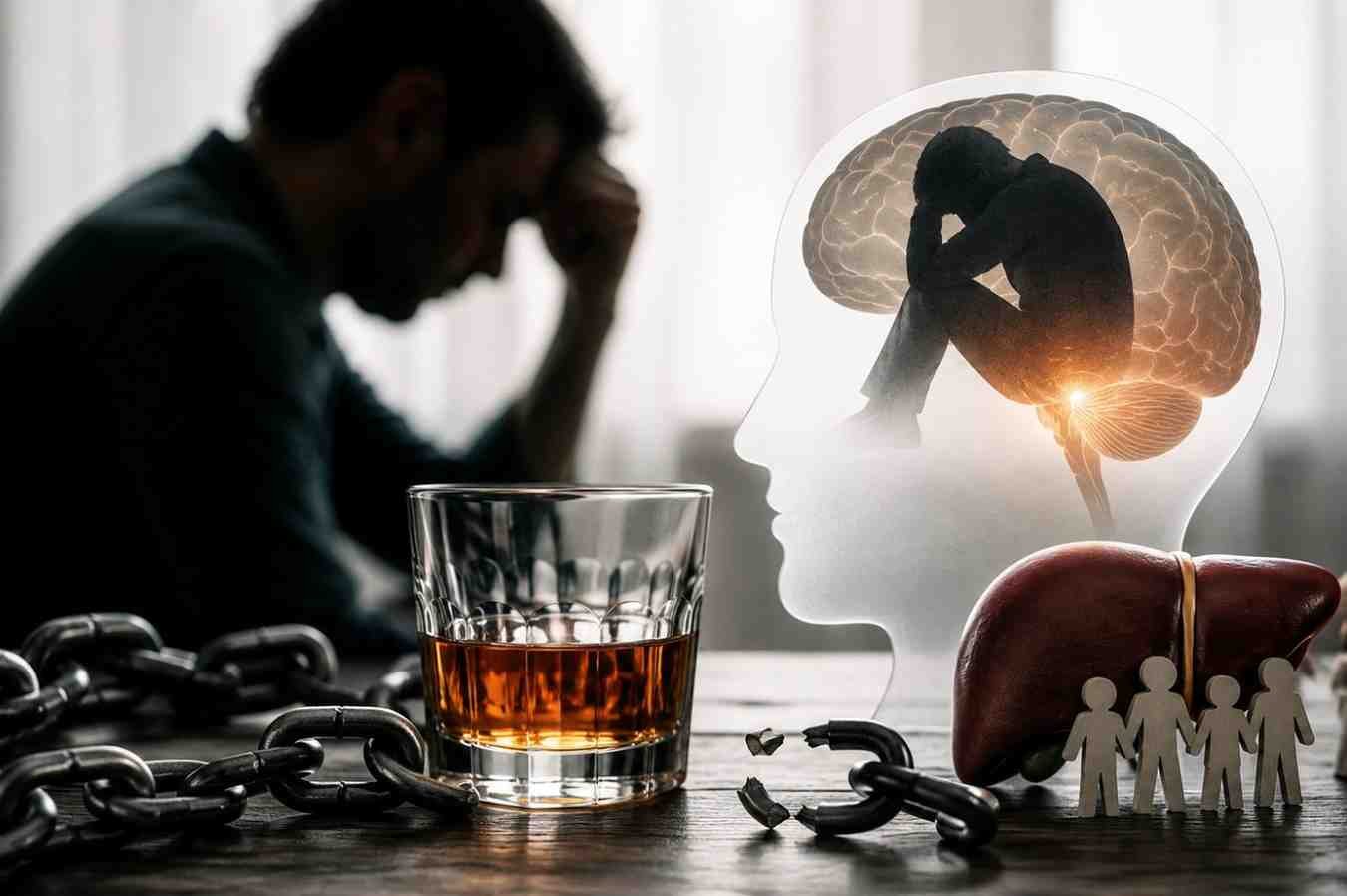

ADS, in medical terms, is Alcohol Dependence Syndrome. It is a medical condition. The patient suffering from the condition is dependent on alcohol and thus has a compulsive need to consume alcohol. In the absence of alcohol, the body starts to crave it, causing distressing withdrawal symptoms.
ADS falls under the broader category of Substance Use Disorders (SUDs) in psychiatry. Despite being considered a mental health condition, it affects the patient both physically and mentally because of the toxic effects of alcohol. However, the good news is that ADS is treatable, and this article explains its symptoms, diagnosis, and recovery options.
What Does ADS Stand for in Medicine?
The ADS full form in psychiatry and medicine is Alcohol Dependence Syndrome. The World Health Organisation (WHO) coined and described the term first. ADS refers to a condition in which a person begins to prioritise alcohol use way more than anything else in life. So the activities that were once important to the person no longer matter.
The condition is not about heavy drinking or making poor choices. Instead, it focuses on the loss of control and dependency. The person, despite knowing and understanding its physiological, behavioural, and cognitive effects, is unable to stop drinking in ADS.
Who Does ADS Affect?
ADS is a medical condition and can happen to anyone. It can affect people across all age groups, professions, and social backgrounds. However, certain factors increase risk:
- Family history of ADS or any mental health disorder. A family history sometimes makes people more prone to mental health disorders if exposed to triggers.
- Early onset of drinking (teenage years). Not understanding the long-term effects of addictive substances and irresponsible consumption increases risk.
- Chronic stress or untreated mental health conditions may lead to substance abuse for escapism and then becoming dependent on them.
- Peer pressure or social environments where heavy drinking is normalised. It could be family parties, college parties, work socialisation parties or neighbourhoods.
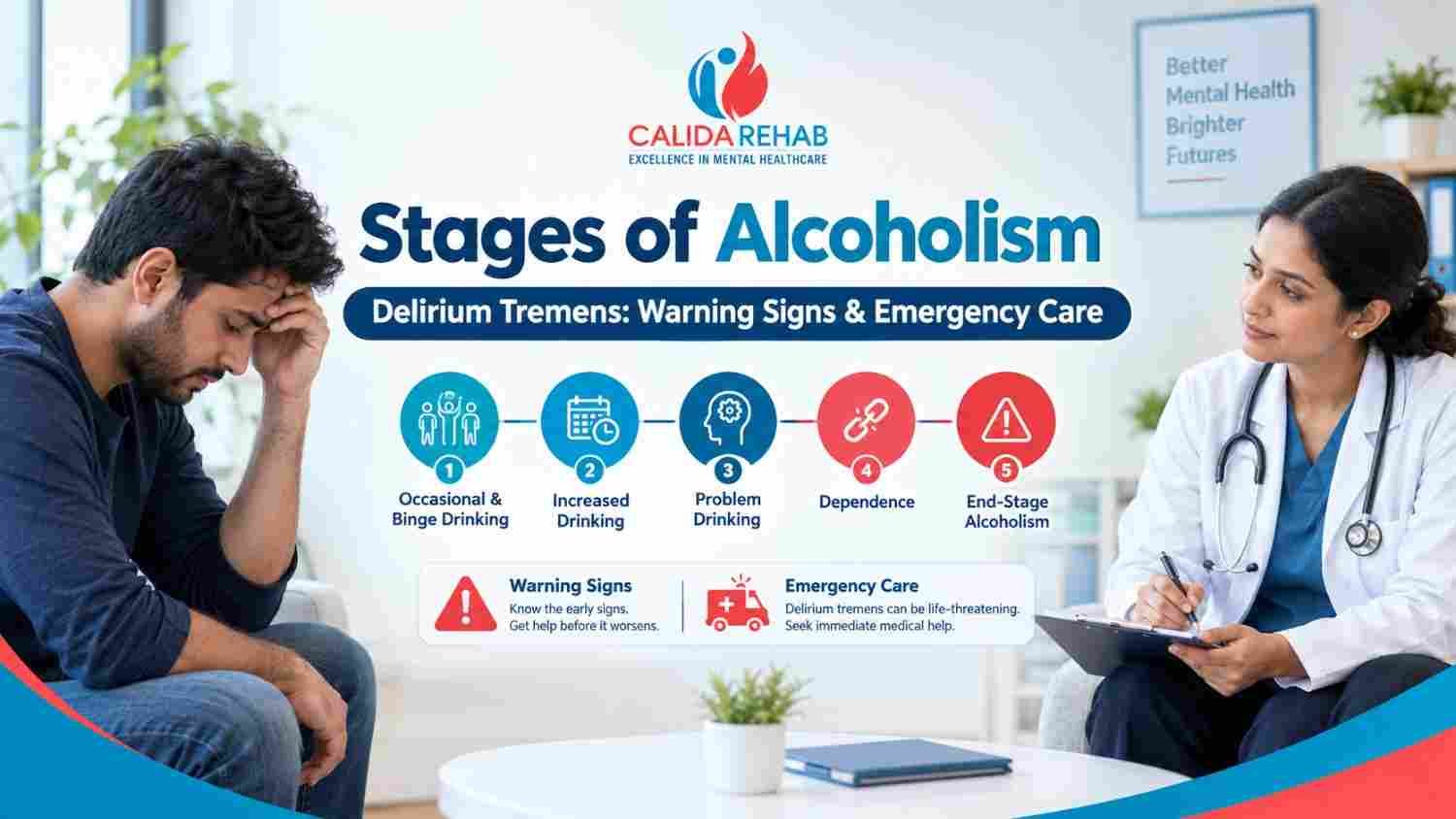
Drinking typically progresses in stages. It begins with trying, which then progresses to occasional social use, to regular heavy drinking, and to the final stage of physical dependence. Once dependence sets in, stopping alcohol use without medical support is not recommended. Doing so is not only impossible for the patient but forcing it can also be extremely dangerous.
Struggling with Alcohol Addiction or Alcohol Dependence? Reach Out for Help 24/7 confidential support — talk to our specialists now.
Visit Mumbai Centre Visit Pune CentreRecognising the Symptoms of ADS
No one needs to know the ADS full form in medical terms to recognise its symptoms. Especially in the final stage, it does not go unnoticed. However, if diagnosed early, with medical support, the patient can prevent the condition from advancing. Here are the symptoms of ADS to keep in mind:
Physical Symptoms
The following physical symptoms are common when a person with ADS does not drink for a long stretch (hours):
- Tremors (especially in the morning)
- Sweating, nausea, or vomiting
- Increased heart rate and high blood pressure
- Disturbed sleep patterns
- Feeling tired all the time
- Seizures
Psychological and Behavioural Symptoms
Inability to drink triggers psychological and behavioural symptoms as well, such as:
- Intense cravings (need to have alcohol)
- Uncontrolled quantity
- Isolation or secrecy when people start to point out the overuse
- Neglecting responsibilities at work, home, or in relationships
- Continuing to drink despite knowing the harm it causes
- Mood swings, irritability, and anxiety
These symptoms, while common, become more intense if the person is not using alcohol. Alternatively, when they drink, they are so consumed that they don’t care about anything else. A big reason why domestic abuse is so common is when a wife tries to stop the husband from drinking.
How ADS Impacts Daily Life
The effects of Alcohol Dependence Syndrome affect areas of life for the affected person and the people around them as well. The dependency affects work, finances, relationships, and health. In advanced stages of ADS, patients may also isolate themselves to drink in secrecy, affecting their social life as well.
Most importantly, alcohol affects the liver, pancreas, and cardiovascular system (heart). It also affects the cognitive function of the brain, which causes a decline in memory and decision-making. With patients staying absent from work, which leads to job loss, combined with the cost of alcohol purchase and ultimately the medical bills, often leads the patient to debt.
Diagnosis: How Is ADS Identified?
ADS full form in medical terms is Alcohol Dependence Syndrome, which in a hospital is diagnosed by reviewing reports of the liver, pancreas, and the cardiovascular system. Long-term and excessive use of alcohol deposits toxins in the body, which leads to increased complications that the doctors can identify with tests and symptoms.
ADS full form in psychiatry is the same as in medical terms, which is Alcohol Dependence Syndrome follows a different pathway for diagnosis. Licensed healthcare providers in psychiatry use structured questionnaires for diagnosis. ICD-11 (International Classification of Diseases) or the DSM-5 (Diagnostic and Statistical Manual of Mental Disorders, Fifth Edition) are used for the diagnosis.
For a positive diagnosis, the patient should have three or more of the following symptoms in the 12-month period:
| Criteria | Description |
| Craving | A strong desire or compulsive need to drink |
| Loss of control | Cannot stop drinking despite being asked to or even self-realisation |
| Withdrawal | Physical symptoms when alcohol use reduces |
| Tolerance | Needing more alcohol to achieve the same effect |
| Neglect | Giving up other activities in favour of drinking |
| Persistence | Continued use despite clear harm |
Diagnosis is based on a complete clinical assessment which is a combination of physical examination consisting of relevant blood tests and standardised psychiatric systems like DSM-5.
Individuals struggling with alcohol dependence can seek structured care at Calida Rehab, a trusted rehabilitation centre in Mumbai and Pune, offering medical detox and psychological support.
Treatment Options for Alcohol Dependence Syndrome
At Calida Rehab, the patients get an evidence-based structured treatment plan tailored to their response and severity of their symptoms. It is a combination of medical detox, medication-assisted treatment, therapy, and lifestyle management, which includes mindfulness, nutrition, and physical exercise.
1. Medical Detoxification
Detoxification means cleansing the body of accumulated toxins. This is done by simply stopping alcohol use. However, in rehab, abstinence is paired with benzodiazepines, which are prescription drugs used to manage withdrawal symptoms. The patient is also monitored 24/7 for medical complications and assistance if needed.
2. Medication-Assisted Treatment
The treatment involves the use of several medications for long-term recovery and stability. The use of medicines in combination and adjusted dosage under supervision helps the patient stabilise and absorb the therapy sessions. Here are a few medicines used in the treatment:
- Naltrexone: For cravings
- Acamprosate: To control dependency
- Disulfiram: To cause a reaction on alcohol consumption so that the body and brain automatically reject it
3. Therapy and Psychological Support
People looking for ADS full form in psychiatry must know that therapy is a must for the condition. It identifies the triggers and addresses them by developing coping strategies that work for improved control and relapse prevention. The following types of therapy are used:
- Cognitive Behavioural Therapy (CBT): to identify and change thought patterns acting as triggers
- Motivational Interviewing (MI): to build internal motivation for change
- Group therapy and peer support: to reduce isolation and combat social drinking
- Family therapy: to repair relationships and improve home environment
Myth vs Reality
Myth: ADS is a sign of weak willpower or moral failure or a habit.
Reality: ads full form in psychiatry is a recognised medical and psychiatric condition. In simpler words, ADS is a mental health condition driven by neurological changes in the brain. Genetics, environment, and mental health all play significant roles. Willpower alone is not enough to reverse the condition, especially in the advanced stages.
While the condition develops in stages, irresponsible usage of addictive substances, which generally stems from a lack of awareness, takes control of the brain. Thus, those affected require clinical care, not judgement.
Practical Advice for Those Concerned
ADS full form in psychiatry suggests that addiction to alcohol is a dependency syndrome. It cannot and should not be self-treated in the advanced stages, or it may cause medical emergencies. Here are the steps one should take instead:
- Speak to a doctor
- Do not attempt self-treatment by stopping alcohol
- Visit a rehab for complete care
- Build a support network of trustworthy friends and family for accountability.
- Do not delay
Frequently Asked Questions (FAQs)
What is the ADS full form in psychiatry?
ADS stands for Alcohol Dependence Syndrome. In psychiatry, it refers to a substance use disorder where the substance is alcohol, and the individual develops physical and psychological dependence on it.
Is ADS the same as alcoholism?
Yes, both terms are often used interchangeably. Alcoholism is a general term, while ADS (Alcohol Dependence Syndrome) is the clinical term used by medical professionals for diagnosis.
Can ADS be treated completely?
ADS can be effectively managed with proper treatment and long-term support. Treatment usually begins with medically supervised detoxification, followed by medication-assisted therapy (MAT), counseling, and lifestyle changes. Ongoing therapy and peer support play a key role in preventing relapse and maintaining recovery.
How is ADS different from alcohol abuse?
Alcohol abuse refers to harmful drinking patterns, such as excessive or risky alcohol consumption. However, it does not always involve dependence. ADS, on the other hand, means the person has developed a physical and psychological dependency on alcohol.
When should someone seek help for ADS?
Help should be sought when drinking becomes frequent or daily, causes irritability when stopped, or begins affecting personal and professional responsibilities. It becomes urgent when the individual prioritizes alcohol over health, work, or relationships.